

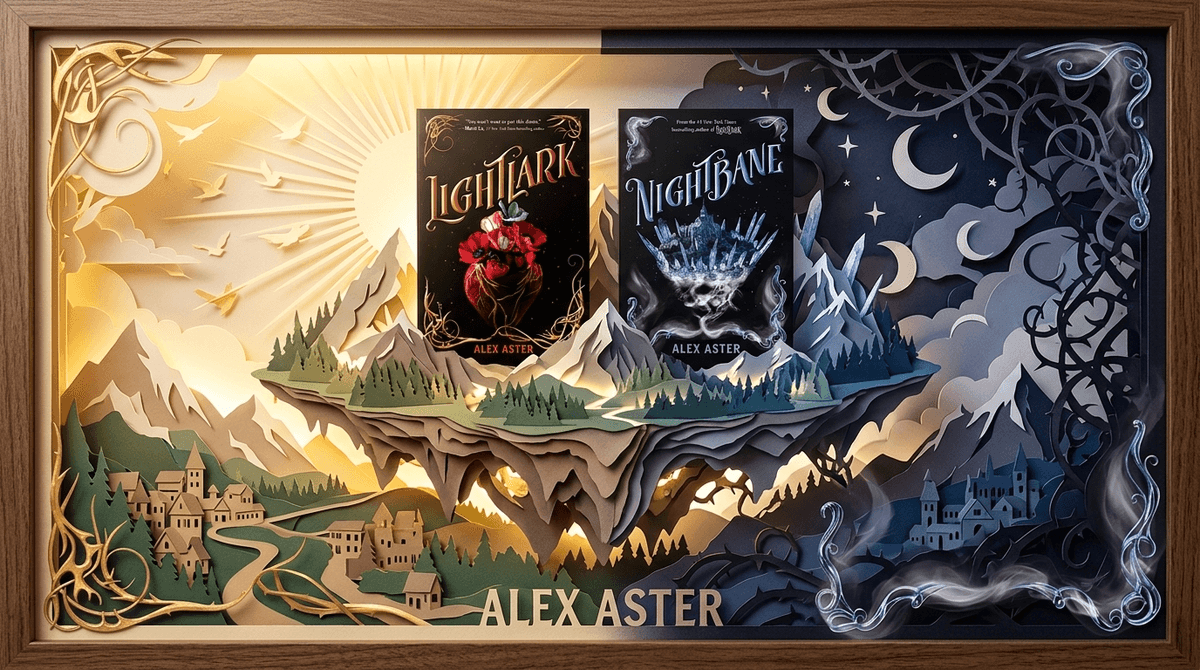
Alex Aster’s Lightlark by Alex Aster looks like a standard high-stakes fantasy adventure on the surface, but parents are often caught off guard by its sudden spikes in brutal violence, twisty psychological betrayal, and a sharp increase in sexual content as the series moves into book two.
While Lightlark by Alex Aster is packaged as young adult fantasy, it leans heavily into "romantasy" tropes that make it a better fit for older teens (14+) than middle schoolers. The first book features arena-style death trials, dark magic, and heavy romantic tension, though physical intimacy stays mostly above the covers. The sequel, Nightbane, ramps up the explicit romantic encounters significantly. If your tween is drawn to the magical competition vibe without the heat, explore our best books for kids list or see our digital guide for middle school.
Book Tok catapulted this series to fame, and many readers buy Lightlark by Alex Aster thinking it sits alongside classic middle-grade or early-YA fantasy. The first installment mostly plays by standard YA rules. You get intense yearning, swoony love-triangle drama between Isla, Oro, and Grim, and passionate kissing scenes. Physical encounters in book one remain fairly tame, culminating in a single scene near the end that stays mostly off-camera.
The surprise comes if your reader picks up the sequel, Nightbane. The series shifts gears from competitive fantasy to full-on adult-adjacent romantasy. Book two features explicit, multi-page sexual encounters and graphic romantic scenes. If you have a 12-year-old who devoured book one, know that book two crosses into a completely different maturity category.
If your teen is hunting for high-heat fantasy, romantasy books for teens cover a wide range of content levels, but it helps to know which side of the line a specific title falls on.
The plot centers on the Centennial: a deadly tournament held every hundred years where six realm rulers gather to break ancient curses that plague their people. The catch is that one ruler must die for the curses to lift.
Because of this premise, the violence is constant and severe:
- Graphic deaths and injuries: Characters suffer limb amputations, heart-wrenching torture, public executions, and gruesome poisonings.
- Visceral trial combat: The arena challenges involve gory physical wounds, drowning, and blood magic.
- Body horror elements: Curses inflict horrific physical decay, including realms where inhabitants are forced to feed on human flesh or suffer agonizing physical degeneration.
It is significantly bloodier than standard entry-level YA fantasy. Readers who handle the gladiator feel of The Hunger Games book will handle the gore here fine, but sensitive readers will find the body horror unsettling.
Beyond physical fights, the emotional landscape of Lightlark is relentless. Isla Crown, the protagonist, enters the tournament hiding a massive secret: her realm's curse makes her powerless, so every alliance she builds is built on deception.
Virtually every main character lies, manipulates, or sells out their allies to survive. Gaslighting and double-crosses are central plot mechanics. The love triangle relies heavily on emotional manipulation, keeping readers constantly guessing who is genuine and who is playing a long-con game. For mature teens, the psychological chess match is the most addictive part of the book. For younger readers, the near-total lack of trustworthy adult figures or safe relationships can feel cold.
If your reader wants to jump into the series, a simple heads-up prevents awkward surprises down the road.
Set the expectation on series trajectory. The most common parent complaint about this series isn't book one; it's buying book two without checking the content shift. If your 13-year-old reads Lightlark by Alex Aster, talk about the transition before they order Nightbane.
Check in on love-triangle dynamics. The story features heavy themes of obsession and control masked as romance. Asking your teen what they think of Grim's or Oro's choices gives them a easy, low-pressure opening to evaluate healthy vs. toxic relationship behaviors in fiction.
For families setting up reading routines or vetting new genres, our digital guide for high school offers broader context on how teen media trends move.
Q: What age is Lightlark appropriate for?
Lightlark works best for readers ages 14 and up. While 12- and 13-year-olds who read heavy fantasy can handle book one's content, the violence is graphic and the sequel escalates into explicit sexual content meant for older audiences.
Q: Is there spice in Lightlark?
Book one has mild to moderate spice, sticking mostly to emotional tension, intense kissing, and one fade-to-black scene. However, book two (Nightbane) contains explicit open-door sexual scenes.
Q: How violent is Lightlark compared to The Hunger Games?
The violence level is roughly comparable in body count, but Lightlark includes more fantasy body horror, dark poisonings, and blood-magic gore than The Hunger Games.
If your reader loved the deadly tournament premise of Lightlark but isn't ready for the romantasy turn in the sequel, look for fantasy titles with high-stakes action and lighter romance. Check out fantasy books like Lightlark or browse our best books for kids list for vetted picks across every age range.
