

Let's be honest: finding TV shows for teen girls that don't make you cringe is harder than it should be. So much of what's marketed to this demographic is either hyper-focused on appearance, drowning in manufactured drama, or treating female friendships like they're inherently toxic.
You want shows that your daughter can watch without absorbing the message that her value comes from how she looks, who likes her, or how much drama she can create. Shows where the girls actually like each other. Where problems get solved through communication, not backstabbing. Where the characters grow and learn instead of just cycling through the same shallow conflicts.
The good news? These shows exist. They're just not always the ones with the biggest marketing budgets or the most buzz on social media.
Teen girls are in a particularly vulnerable window when it comes to media messages. They're forming their identities, figuring out what kind of person they want to be, and (whether we like it or not) absorbing a LOT from the shows they binge.
Research consistently shows that media representation affects how teens see themselves and their possibilities. Girls who watch shows with complex, capable female characters tend to have higher self-esteem and broader career aspirations. Meanwhile, shows that focus primarily on appearance and romantic drama can reinforce anxiety about looks and relationships.
This doesn't mean every show needs to be an after-school special. But it does mean that the stories our daughters consume regularly actually shape how they think about friendship, conflict, their own capabilities, and what matters in life.
Gilmore Girls (Ages 12+) Yes, it's from the early 2000s. Yes, your daughter might roll her eyes at the fashion. But this show models one of the healthiest mother-daughter relationships on television, features a protagonist who's unapologetically smart and ambitious, and treats female friendships as genuinely important. The fast-paced dialogue rewards attention, and Rory's college/career journey is actually thoughtful. Fair warning: there's some relationship drama, but it's not the whole show.
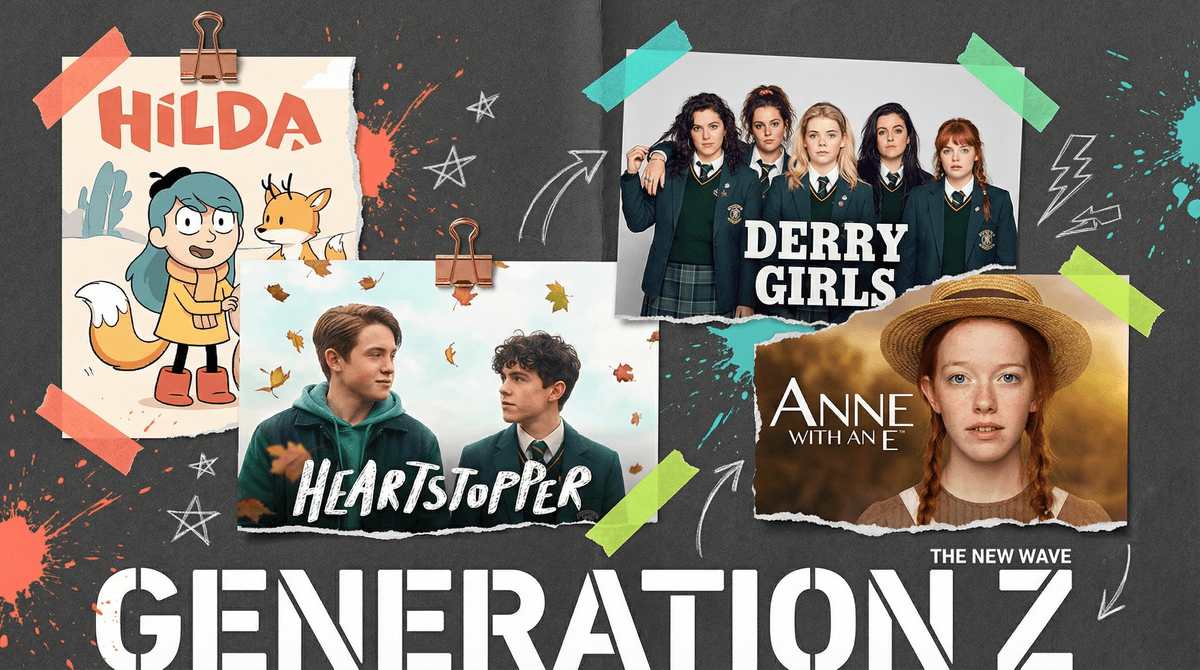
Anne with an E (Ages 11+) This Netflix adaptation of Anne of Green Gables is darker than the source material but incredibly powerful. Anne is creative, passionate, makes mistakes, and grows from them. The show tackles real issues—trauma, discrimination, identity—without being preachy. The friendships feel authentic, and Anne's fierce imagination and determination are genuinely inspiring. Some intense themes around Anne's past trauma, so preview if your teen is sensitive.
The Great British Baking Show (Ages 8+) Not a scripted drama, but hear me out. This show models genuine kindness, celebrates skill and creativity, and features people of all ages and backgrounds supporting each other through challenges. Teen girls consistently report that it's comforting and makes them want to try new things. Zero appearance focus, zero manufactured drama, 100% wholesome competition.
Abbott Elementary (Ages 13+) A workplace comedy about teachers that's actually funny and features complex, capable women solving real problems. The characters care deeply about their work and each other. Yes, there's some adult humor and romantic subplots, but the core is about people trying to make a difference. Great for sparking conversations about teaching, systemic issues, and what it means to care about your community.
Derry Girls (Ages 14+) Set in Northern Ireland during the Troubles, this comedy follows a group of teenage girls whose friendship is genuinely the heart of the show. They're funny, flawed, loyal, and the show never pits them against each other for drama's sake. Some language and mature themes (it's set during a conflict), but the depiction of female friendship is gold. Also: they actually care about things beyond boys and appearance.
Hilda (Ages 8+) Animated, so might feel "young" to some teens, but the storytelling is sophisticated. Hilda is brave, curious, kind, and solves problems through creativity and empathy. The show is gorgeous, calming, and features genuine friendship dynamics. Great for younger teens or as a family watch that won't make anyone feel talked down to.
Heartstopper (Ages 13+) Primarily about a queer romance between two boys, but the female characters are fully developed, the friendships are healthy, and the show models consent, communication, and genuine care. Some teens find it "too wholesome," but that's kind of the point—it shows that teen relationships can be sweet and respectful. Deals with coming out, mental health, and eating disorders thoughtfully.
Look, not every show needs to be educational. But there are some patterns worth steering away from:
Shows where girls are only mean to each other. If the entire plot revolves around backstabbing, gossip, and betrayal presented as normal female behavior, that's not "realistic"—it's lazy writing that reinforces harmful stereotypes.
Shows where appearance is the primary source of value. If every problem is solved by a makeover or every compliment is about looks, your daughter is getting a steady diet of the message that how she looks matters more than who she is.
Shows with zero consequences. Teen shows where characters lie, manipulate, and hurt people without any real fallout aren't "fun"—they're teaching that actions don't matter.
This doesn't mean avoiding all shows with drama or romance. Bridgerton has plenty of both, but the female characters have agency and depth. Never Have I Ever has messy teen behavior, but characters actually grow and face consequences. It's about the overall message, not individual moments.
The best part about watching shows together (or at least watching the same shows) is that they give you built-in conversation topics that don't feel like interrogations.
"What would you have done in that situation?" is way more interesting than "How was school?"
"Do you think her friends handled that well?" opens up conversations about real friendship dynamics.
"That character's dealing with anxiety—does that feel realistic to you?" can lead to meaningful talks about mental health.
You don't need to turn every episode into a teaching moment. But having shared references makes it easier to talk about hard topics when they come up naturally.
Finding positive TV for teen girls isn't about being preachy or avoiding all conflict. It's about choosing shows where girls are complex people, friendships matter, problems get solved with actual communication, and value comes from character rather than appearance.
Your daughter's going to watch TV anyway. Might as well make it stuff that builds her up instead of tearing her down.
Start with one show from this list that matches your daughter's interests. Fantasy-lover? Try Anne with an E. Comedy fan? Derry Girls or Abbott Elementary. Just wants something cozy? The Great British Baking Show or Hilda.
Watch an episode or two yourself first if you're not sure about content. Common Sense Media has detailed reviews, but your own gut matters more than any rating system.
Ask your daughter what she's already watching and why she likes it. You might be surprised—or you might discover she's been hate-watching something that makes her feel terrible. That's worth knowing.
And remember: perfection isn't the goal. Progress is. Even one show that models healthy friendships and genuine problem-solving is better than none.