

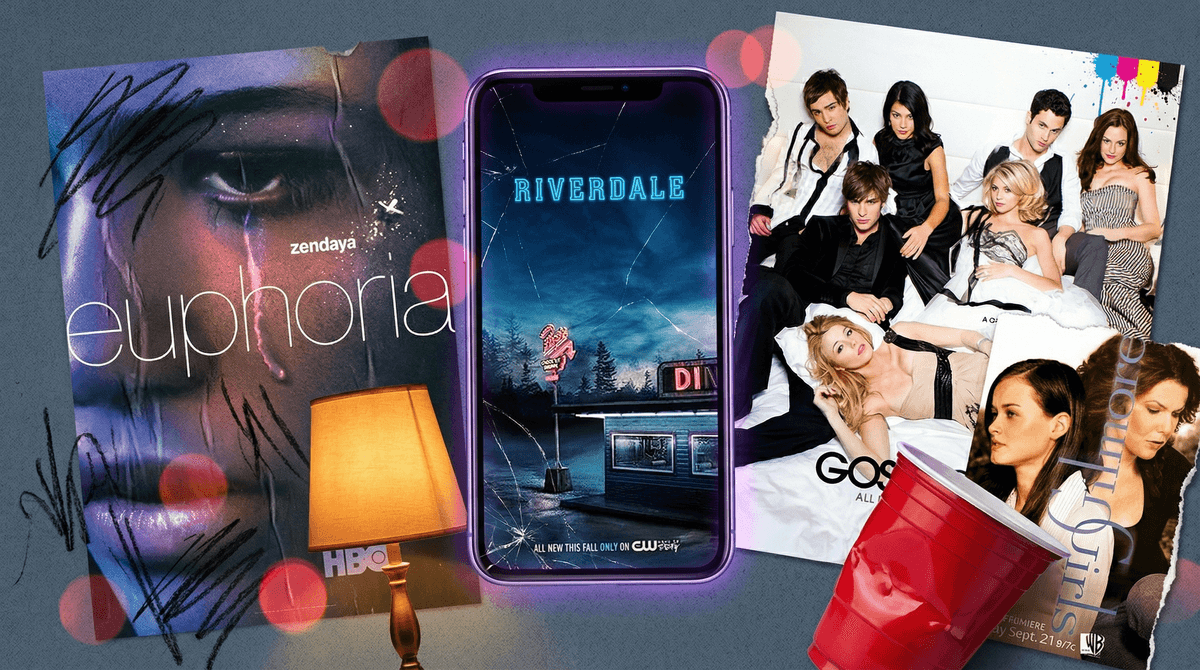
Turn on basically any teen drama, and you'll probably see it within the first ten minutes: high schoolers at a party, red Solo cups in hand, no parents in sight. Or maybe it's a "harmless" sitcom where underage drinking is played for laughs. From Euphoria to Riverdale to even classic shows like Gilmore Girls, alcohol shows up in teen storylines constantly—and not always with consequences attached.
Here's the thing: underage drinking on TV isn't just background noise. Research shows that exposure to alcohol in media is associated with earlier drinking initiation and increased consumption among teens. And unlike the anti-drug PSAs we grew up with, today's shows often depict drinking as glamorous, funny, or just... normal teenage behavior.
So what's a parent supposed to do? Ban all teen shows? Preview everything like you're working for the ratings board? Let's talk about what's actually happening on screen and how to handle it without losing your mind.
The average teen sees about 3,000 alcohol ads per year across all media, and TV shows add another layer. When characters your kid relates to drink without consequences—or when drinking is portrayed as the key to being cool, confident, or sexually desirable—it normalizes the behavior in a way that's more subtle (and arguably more effective) than any beer commercial.
Some shows are incredibly irresponsible about this. Euphoria? Look, I'm not going to sugarcoat it: that show depicts underage drinking (among many other things) in ways that are visceral and sometimes disturbingly glamorous, despite the "this is a cautionary tale" framing. It's rated TV-MA for a reason, and honestly, even for older teens, it's a lot.
Then you've got shows like Riverdale where high schoolers casually run a speakeasy and drink constantly, with approximately zero adult supervision or realistic consequences. Or Outer Banks, where beach parties with beer are just part of the aesthetic.
Even "lighter" shows get in on it. Gilmore Girls has that whole storyline where Rory drinks at a party and Logan encourages her drinking throughout their relationship. Friday Night Lights shows high school parties with alcohol. The Summer I Turned Pretty features underage drinking at beach parties.
The problem isn't that these shows depict underage drinking—that happens in real life, and good storytelling can address it. The problem is when it's depicted without context, consequences, or conversation.
Studies consistently find that teens who see more alcohol use in movies and TV are more likely to start drinking earlier and drink more heavily. A 2012 study in Pediatrics found that for each additional hour of screen time showing alcohol use, the odds of teen drinking increased by about 9%.
But here's what's interesting: how alcohol is portrayed matters more than whether it appears at all. Shows that depict realistic consequences, show characters making deliberate choices not to drink, or include adults having meaningful conversations about alcohol can actually be protective.
The worst offenders? Shows where drinking is:
- Shown as a solution to social anxiety or problems
- Associated with sexual confidence or romantic success
- Depicted without any negative consequences
- Normalized as "just what teenagers do"
- Used primarily for comedy
Ages 8-12: At this age, kids are building their baseline understanding of "normal" behavior. They're watching shows like Stranger Things (which actually handles teen drinking pretty responsibly when it comes up) or Heartstopper (which barely features alcohol at all—refreshing!).
If drinking comes up, use it as a conversation starter: "Did you notice the kids at that party were drinking beer? That's actually illegal for teenagers. Why do you think the show included that?" Keep it factual, not scary.
Ages 13-15: Middle schoolers are seeing a lot of alcohol on screen, especially if they're watching teen dramas. This is prime time to start having real conversations about what they're seeing versus reality.
Shows like Never Have I Ever can actually be good discussion starters—the show depicts drinking but also shows characters dealing with the aftermath and making different choices at different times. Sex Education (if it's appropriate for your family) also tends to show consequences.
Ages 16-18: At this age, they're probably going to encounter real-life drinking situations, if they haven't already. The goal shifts from "protect them from seeing it" to "help them think critically about it."
Watch shows together when you can. When a drinking scene comes up, ask questions: "Do you think that's realistic?" "What do you think happens after that scene ends?" "Have you been in situations like that?"
Not all teen shows are created equal. Some shows are genuinely thoughtful about how they depict underage drinking:
✅ Better examples:
- Heartstopper - barely features drinking, focuses on healthy relationships
- Never Have I Ever - shows drinking with realistic social consequences
- Friday Night Lights - depicts drinking but also shows adults addressing it
- Derry Girls - treats teen drinking with humor but also realistic family reactions
❌ More problematic:
- Euphoria - extremely graphic, glamorizes dangerous behavior despite dark framing
- Riverdale - constant drinking with zero consequences or adult involvement
- Gossip Girl (original) - drinking as status symbol, no realistic consequences
- Elite - treats alcohol and drug use as just part of the wealthy teen aesthetic
The "it's just a show" argument doesn't hold up. Your teen is right that it's fiction, but fiction shapes perception. You don't need to ban everything, but you can acknowledge that these shows often depict a glamorized version of drinking that leaves out the boring, dangerous, or sad parts.
Co-viewing is your secret weapon. You don't have to watch every episode, but checking in on what they're watching and occasionally watching together gives you natural opportunities to discuss what you're seeing. It's way less awkward than sitting them down for a "talk about alcohol."
Check Common Sense Media. Seriously, look up shows before your kid starts watching . They break down alcohol use, drug use, and other content concerns by show and episode. It takes 30 seconds and saves you from surprises.
Don't lecture, ask questions:
- "What did you think about that party scene?"
- "Do you think that's what high school parties are actually like?"
- "Why do you think the characters decided to drink?"
- "What do you think happened after the scene ended?"
Share your own perspective without preaching:
- "I notice a lot of shows make drinking look fun and consequence-free. In my experience, that's not really accurate."
- "I'm curious what you think about how they showed that."
Acknowledge the reality:
- "I know some kids your age drink. I hope you won't, but I also want you to know you can always call me for a safe ride home, no questions asked."
- "TV makes it look like everyone drinks. Actually, most high schoolers don't drink regularly."
Talk about the media literacy angle:
- "Why do you think TV shows include so much drinking? What does it add to the story?"
- "Do you think this show is trying to say drinking is good, bad, or just normal?"
You can't control every piece of media your teen consumes, and honestly, trying to will just make them better at hiding what they watch. What you can do is help them develop critical thinking skills about what they're seeing.
Underage drinking on TV isn't going anywhere. But neither is your influence as a parent. Use what they're watching as a starting point for conversation, not a reason for panic.
Some shows are genuinely irresponsible in how they depict teen drinking—and it's okay to say "I'm not comfortable with you watching this right now" if a show crosses your family's line. But for most shows, the answer isn't censorship; it's conversation.
-
Check what they're watching. Not to spy, but to stay informed. Ask them what shows they're into right now.
-
Look up content warnings. Use Common Sense Media or Check alcohol content in teen shows
before your kid starts a new series. -
Watch an episode together. Pick one of their current favorites and watch it with them. Don't make it a Big Deal, just hang out and watch.
-
Start small conversations. You don't need a formal sit-down talk. Just comment on what you're seeing: "Wow, they're really drinking a lot in this show, huh?"
-
Establish your family's values clearly. Make sure your teen knows where you stand on underage drinking—not in a scary "you'll be grounded forever" way, but in a clear "this is what we believe and why" way.
And remember: you're not trying to raise a kid who never sees alcohol on TV. You're trying to raise a kid who can watch TV, think critically about what they're seeing, and make good decisions in real life. That's a much more achievable goal.