

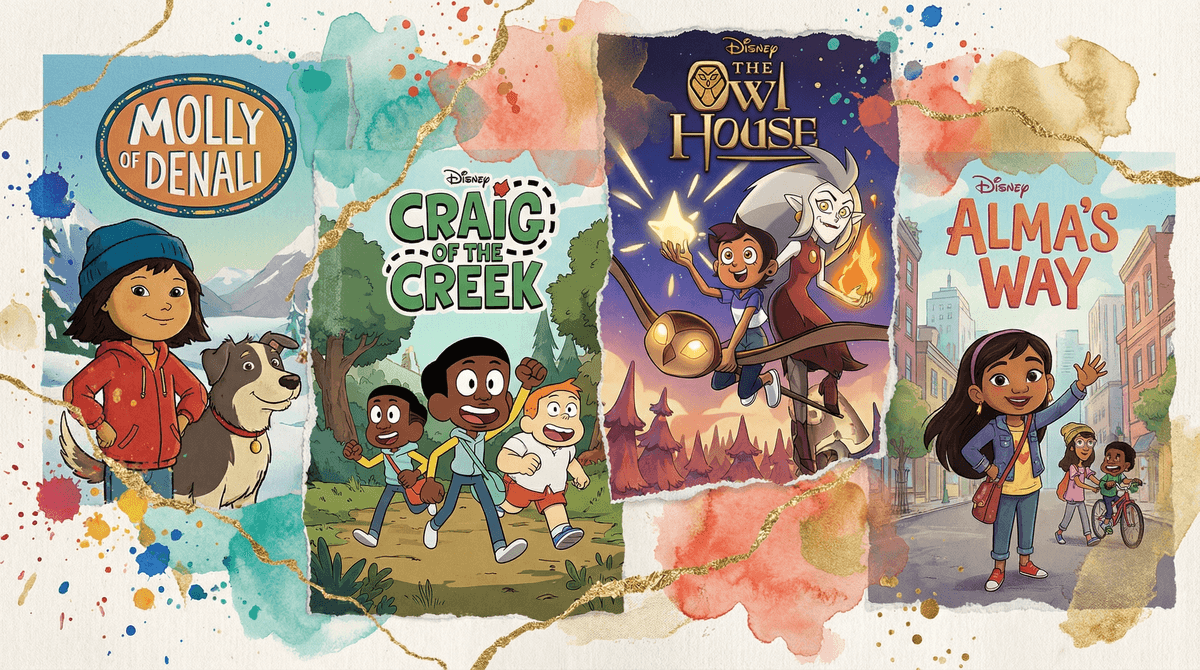
Let's be real: when we talk about "diverse TV shows," we're talking about something that should be completely normal but somehow still needs a label in 2026. We're talking about shows where the characters on screen actually reflect what the world looks like—different races, cultures, family structures, abilities, gender identities, body types, and lived experiences. Not as "special episodes" or token side characters, but as fully realized people living their lives.
The thing is, representation isn't just a nice-to-have. Research consistently shows that kids who see themselves reflected in media develop stronger self-esteem and cultural identity. And kids who see people different from themselves? They develop empathy, challenge stereotypes, and are better equipped to navigate our actual diverse world. It's not political—it's just... reality.
Here's what happens when kids only see one type of person as the hero, the smart one, the leader, or the main character: they internalize that. Kids from marginalized groups learn their stories don't matter. Kids from majority groups learn that their experience is the default, the "normal," the most important.
And before you think "my kid doesn't notice race/disability/family structure," research shows kids as young as 3-5 years old are already forming ideas about social categories and who belongs where. They're noticing. The question is whether we're giving them shows that challenge stereotypes or reinforce them.
The good news? We're living in the golden age of diverse children's programming. There are more options now than ever before. The bad news? Netflix's algorithm isn't going to surface them based on "shows that will help my kid develop a more nuanced understanding of the world." You have to be intentional.
Not all "diverse" shows are created equal. Here's what to look for:
Multiple types of diversity: A show might nail racial representation but have zero disabled characters, or feature LGBTQ+ families but only show thin, able-bodied people. Look for shows that reflect multiple dimensions of human difference.
Characters, not caricatures: Diverse characters should have full personalities, flaws, goals, and storylines that aren't just about their identity. The Black character's entire plot shouldn't revolve around teaching others about racism. The wheelchair user should get to solve mysteries and crack jokes, not just inspire others.
Behind the camera matters: Shows created by diverse writers, directors, and producers tend to get the details right in ways that well-meaning but homogeneous creative teams miss. Check the credits.
Normalcy, not "very special episodes": The best representation treats diversity as background reality, not a problem to solve or a lesson to learn.
Preschool (Ages 2-5):
- Bluey - Australian family dynamics, neurodiversity, different family structures woven throughout
- Daniel Tiger's Neighborhood - Includes characters with disabilities, diverse family structures, and different cultural backgrounds
- Doc McStuffins - Black female protagonist in a STEM role, LGBTQ+ representation in later seasons
- Alma's Way - Puerto Rican family in the Bronx, bilingual content
Early Elementary (Ages 5-8):
- Craig of the Creek - Multiracial cast, body diversity, LGBTQ+ characters, just genuinely great storytelling
- Molly of Denali - Alaska Native protagonist, Indigenous writers and consultants, educational without being preachy
- The Ghost and Molly McGee - Interracial family, Jewish representation, neurodivergent characters
Upper Elementary (Ages 8-12):
- The Owl House - LGBTQ+ main character and romance, Afro-Latina protagonist, neurodivergent representation
- Hilda - Body diversity, non-traditional family structure, characters with different abilities
- Avatar: The Last Airbender - Asian-inspired cultures treated with respect and depth, disability representation, found family
Tweens/Teens (Ages 12+):
- Heartstopper - LGBTQ+ relationships, mental health, body positivity, racial diversity
- Never Have I Ever - Indian-American teen experience, grief, disability, complex female friendships
- Abbott Elementary - Primarily Black cast, different body types, LGBTQ+ characters, actually funny
"But my kid is [identity], do they need to watch shows about [different identity]?"
Yes. Especially yes. Kids from majority groups benefit enormously from seeing diverse stories—it's literally how empathy develops. And frankly, the world your kid is growing up in is diverse whether your neighborhood is or not. Better they learn about different people from well-crafted stories than from whatever they pick up on TikTok.
"My kid says they 'don't care about this stuff'"
They might not care consciously, but their brain is absolutely absorbing messages about who matters, who's smart, who's funny, who gets to be the hero. You don't need to make it a whole thing—just put these shows on. Let the representation do its quiet work.
"What if the show has representation my family doesn't agree with?"
Here's where I'll be direct: if you're worried about your kid seeing that LGBTQ+ people or interracial families exist, that's a you thing to work through, not a kid thing to shelter them from. These are real people living real lives. That said, you're the parent—you get to make these calls. Just know that the research is pretty clear that exposure to diverse stories makes kids kinder, not confused.
"How do I talk about what we're watching?"
Honestly? Most of the time, you don't need to. Let your kid absorb it. If they ask questions, answer them simply and matter-of-factly. "Yes, some kids have two dads." "Yes, people use wheelchairs for lots of different reasons." "Yes, families celebrate different holidays." The more normal you make it, the more normal it becomes.
Finding TV shows with genuine, thoughtful representation isn't about checking boxes or being "woke" (a term that's lost all meaning anyway). It's about giving your kid a fuller picture of the world and the people in it. It's about making sure they see themselves as valuable and see others as fully human.
The shows listed above are genuinely good—not good "for diverse shows," just good period. Your kid will be entertained. You might actually enjoy watching with them. And quietly, without making a big deal of it, you'll be expanding their world.
Start with one: Pick one show from the age-appropriate list above and just... watch it. See what your kid thinks. See what you think.
Check your queue: Look at what's currently in rotation at your house. Who's centered? Who's missing? You don't need to overhaul everything, just add some balance.
Let your kid lead: Ask them what they notice about the characters. You might be surprised by what they pick up on—or what they don't even think twice about because it just seems normal to them.
Want to dig deeper into specific shows or find alternatives to what your kid is currently watching? Find diverse TV shows for your family about your family's specific needs and preferences.