The "Buddy Cop" problem
If you grew up on 80s and 90s action movies, the structure of Mississippi Burning will feel instantly familiar. It’s a procedural. You have the older, cynical agent who knows how the South works and isn’t afraid to get his hands dirty, played with a terrifyingly charismatic edge by Gene Hackman. Then you have the younger, idealistic agent who wants to follow the rulebook.
As a piece of filmmaking, this works. It builds tension, the cinematography makes the Mississippi heat feel oppressive, and the mystery of the missing activists keeps you hooked. But as a history lesson, it’s a total bait-and-switch. By turning the search for murdered civil rights workers into a "clash of styles" between two white federal agents, the movie pushes the people who actually lived and died for the cause into the shadows. Critics have pointed this out for decades, but it’s still the first thing you’ll notice: the Black community in the film is mostly there to be victimized or to watch the FBI "save" the day.
Why the 90% audience score matters
Despite the historical baggage, this movie has a massive 90% audience score on Rotten Tomatoes and a solid 7.8 on IMDb. That’s because it’s an effective, high-stakes thriller. It doesn't treat the KKK like cartoon villains; it depicts them as the neighbors, the sheriffs, and the pillars of the community, which is far more frightening.
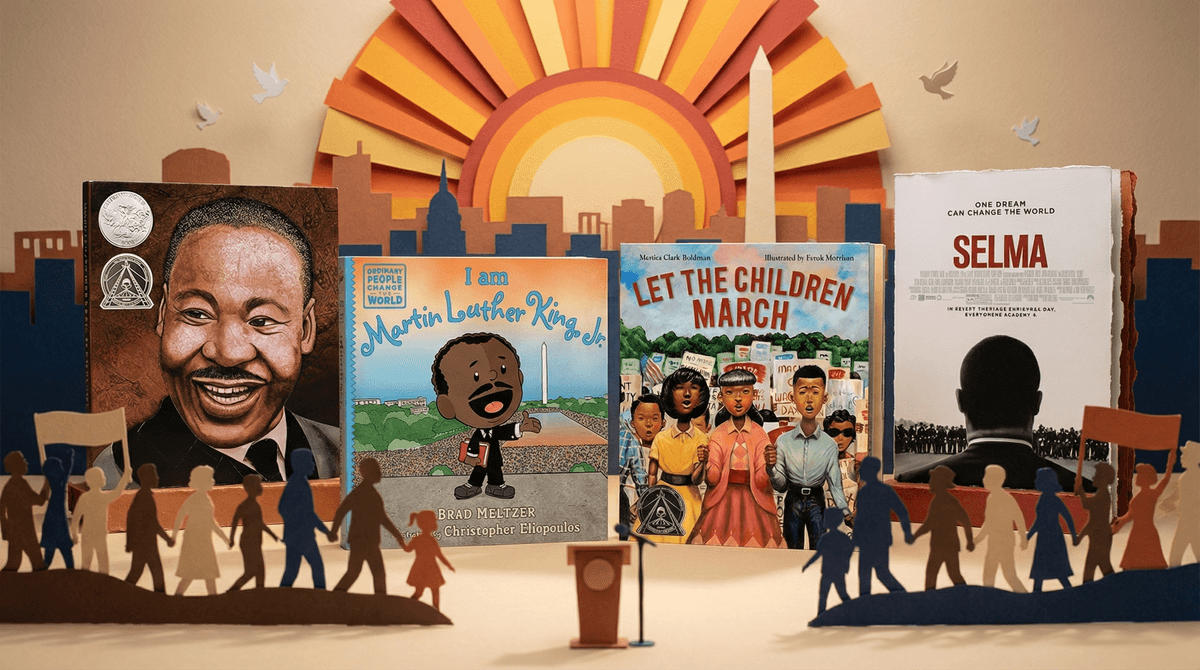
For a 16-year-old, the visceral nature of the film can be a wake-up call. It’s one thing to read about "civil rights struggles" in a textbook; it’s another to see a church fire reflected in a child's eyes or to watch a town stay silent out of pure, calculated fear. If you're looking for Martin Luther King Jr. Books and Movies: A Parent's Guide to Teaching Civil Rights to provide a more balanced view of the era, this movie serves as a brutal, R-rated companion piece that shows exactly what the movement was up against.
The "How to watch" strategy
Don't treat this as a definitive account of the 1964 "Freedom Summer" murders. Treat it as a study in perspective.
If you’re watching with an older teen, the most interesting conversation isn't about whether the FBI agents were "good guys." It’s about why Hollywood in 1988 felt it had to center white characters to make a story about Black liberation "marketable."
- Watch the movie for the performances and the atmosphere—it’s genuinely gripping.
- Immediately afterward, look up the real-life activists (James Chaney, Andrew Goodman, and Michael Schwerner).
- Contrast the movie's ending—which feels like a triumphant police victory—with the reality that the FBI's relationship with the civil rights movement was often hostile and complicated.
This isn't a movie you put on to feel good. It’s a movie you put on to feel uncomfortable, and then you use that discomfort to go find the stories the film left out. Use it as a bridge to more historically grounded films like Selma or documentaries that actually give the activists a microphone.