Our reviews and ratings are 100% unbiased. As an Amazon Associate, Screenwise earns from qualifying purchases, so if you buy a book or game through one of our links, we may earn a commission. We don't get any credit if you just Google it instead :)
Screenwise Verdict
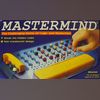
Mastermind is the ultimate 'quiet' game. It’s not flashy, there’s no lore, and the box art usually looks like a 70s spy thriller (which it basically is).
It’s a bit dry for kids used to the constant dopamine hits of an iPad, but once the competitive 'I'm going to beat you' energy kicks in, it holds up surprisingly well. It’s one of those rare games that actually makes you feel smarter after you play it.
Just don't expect it to be the life of the party—it’s a brain-burner, not a laugh-inducer.
Age Fit
Best for kids 8 and up who have the patience for a bit of mental heavy lifting. Younger kids might grasp the 'match the colors' part but will struggle with the actual deductive logic required to win.
WISE Breakdown
Wholesome
92
It's a quiet, focused head-to-head battle of the minds. No conflict, no junk, just two people sitting across from each other trying to out-think one another.
Imaginative
35
This is abstract strategy at its driest. There’s no world-building or storytelling here; you are literally just looking at colored plastic pegs in a gray plastic board.
Safe
100
Zero digital risks. No chat, no ads, no data mining. The only danger is stepping on a peg in the middle of the night.
Enriching
88
It's a masterclass in deductive reasoning and systematic thinking. It forces kids to use logic to eliminate possibilities, which is basically the foundation of computer science.
Parent Info
✓
Why It Might Be Great
It’s basically a physical version of Wordle, but arguably more satisfying because you're outsmarting a real human.
Teaches kids to think in algorithms—narrowing down possibilities systematically rather than guessing wildly.
Zero setup time and rounds are over in 15 minutes, making it a perfect 'one more game' filler.
It doesn't require reading, so once a kid understands the logic, they can play regardless of their literacy level.
⚠
What to Watch For
The pegs are tiny and they will absolutely end up in your vacuum cleaner or under the sofa.
The logic gap can be brutal; if one player is significantly better at deduction, the other will feel like they're hitting a brick wall.
It's a bit 'academic' and lacks the bells and whistles of modern board games, which might bore kids looking for high-energy play.
Conversation Starters
"What’s your go-to opening move to get the most information?"
"Is it harder to be the person making the code or the one breaking it?"
"If you get zero pegs right on a turn, is that actually a good thing or a bad thing for your next move?"
"How do you stay calm when you only have one row left and still haven't cracked it?"