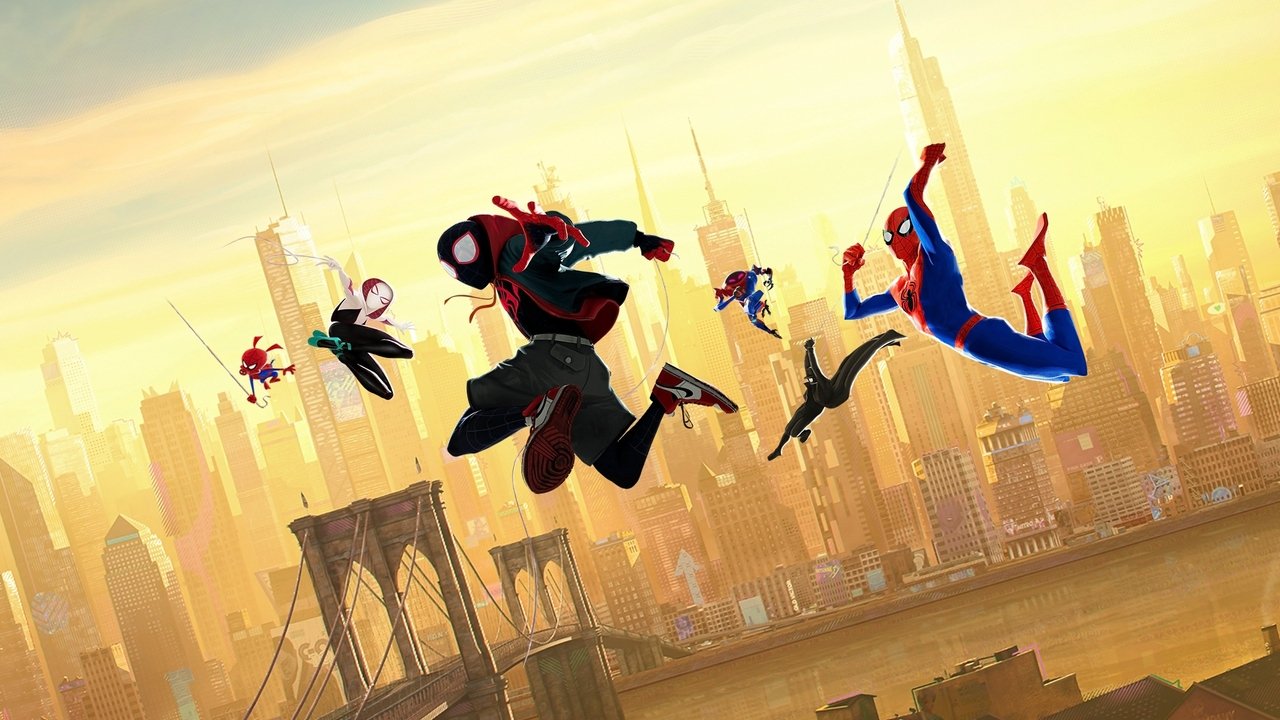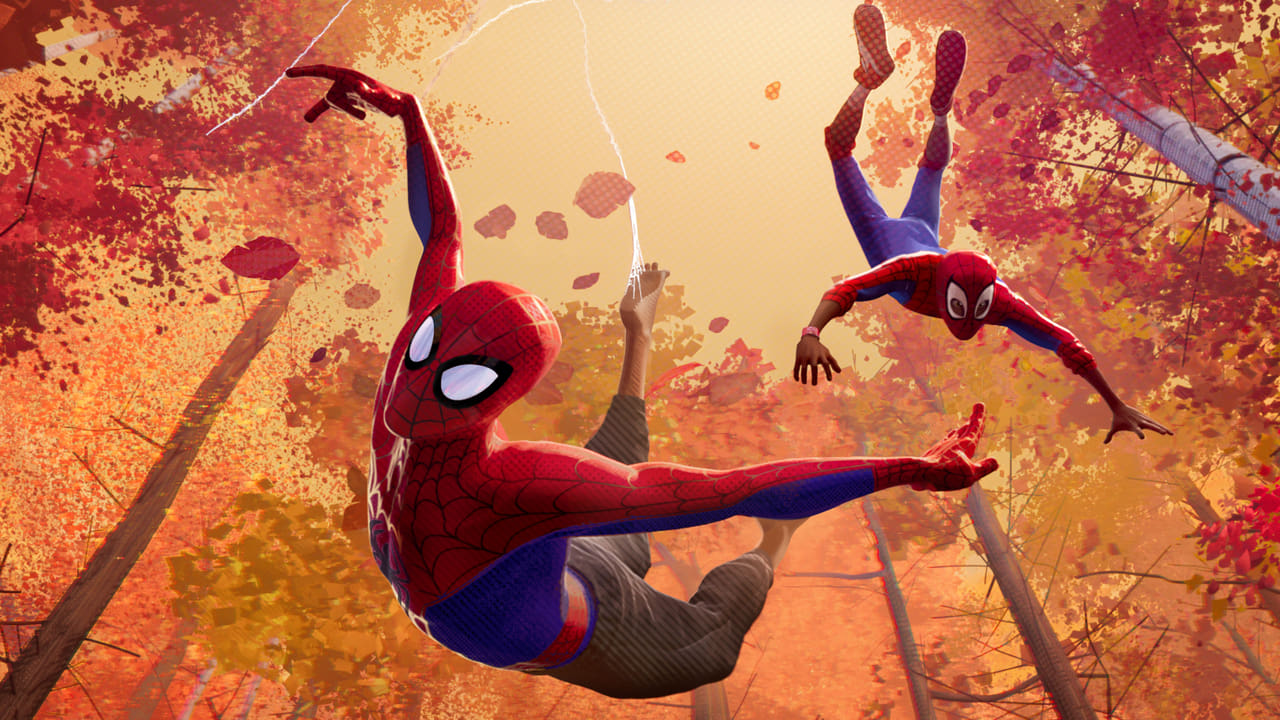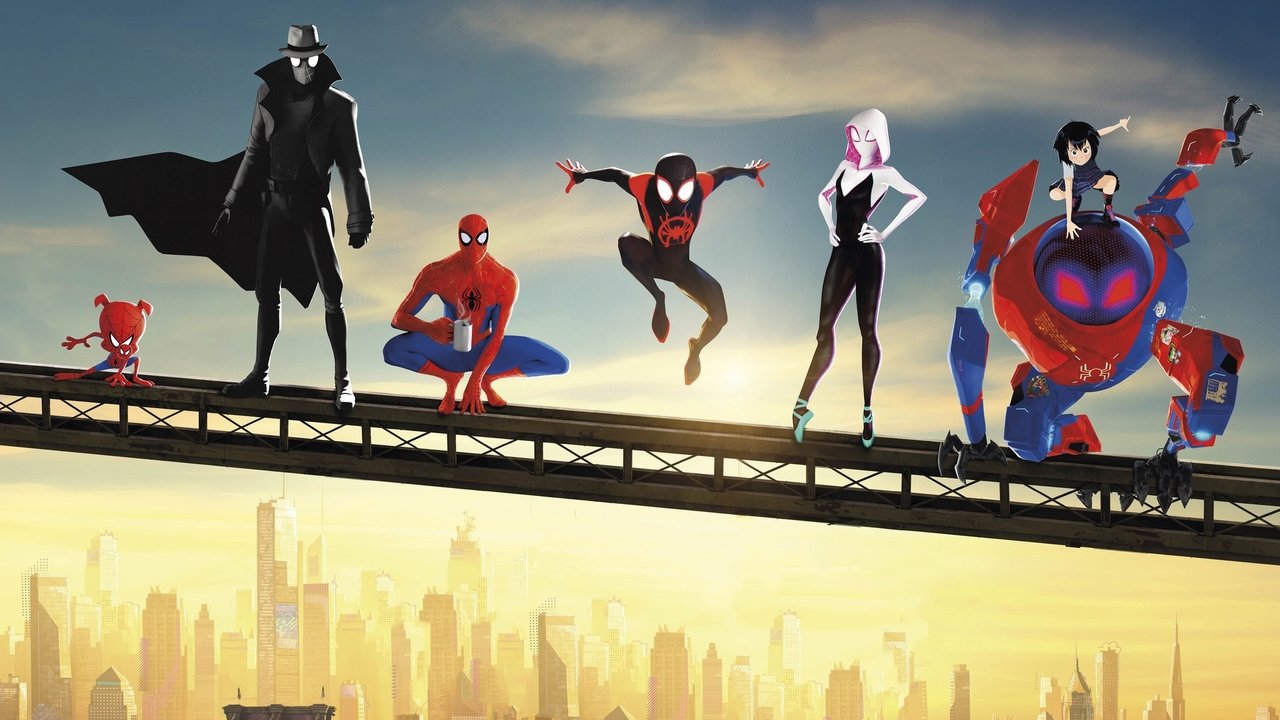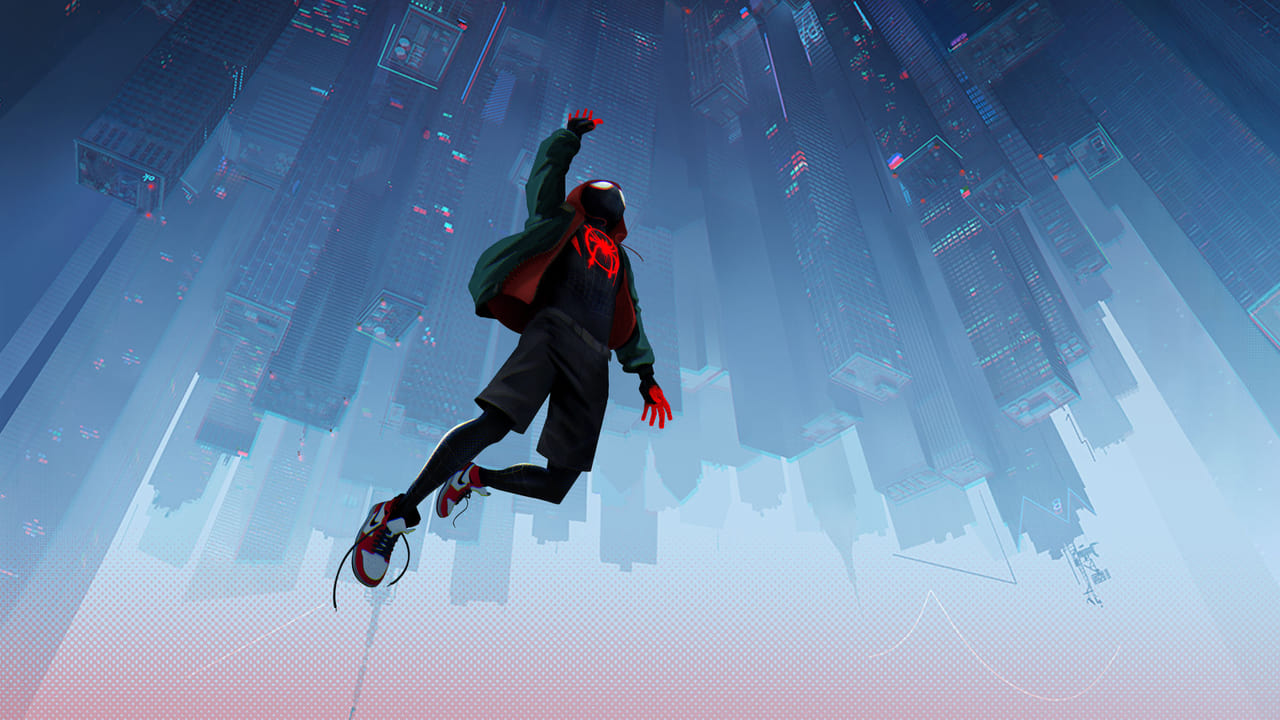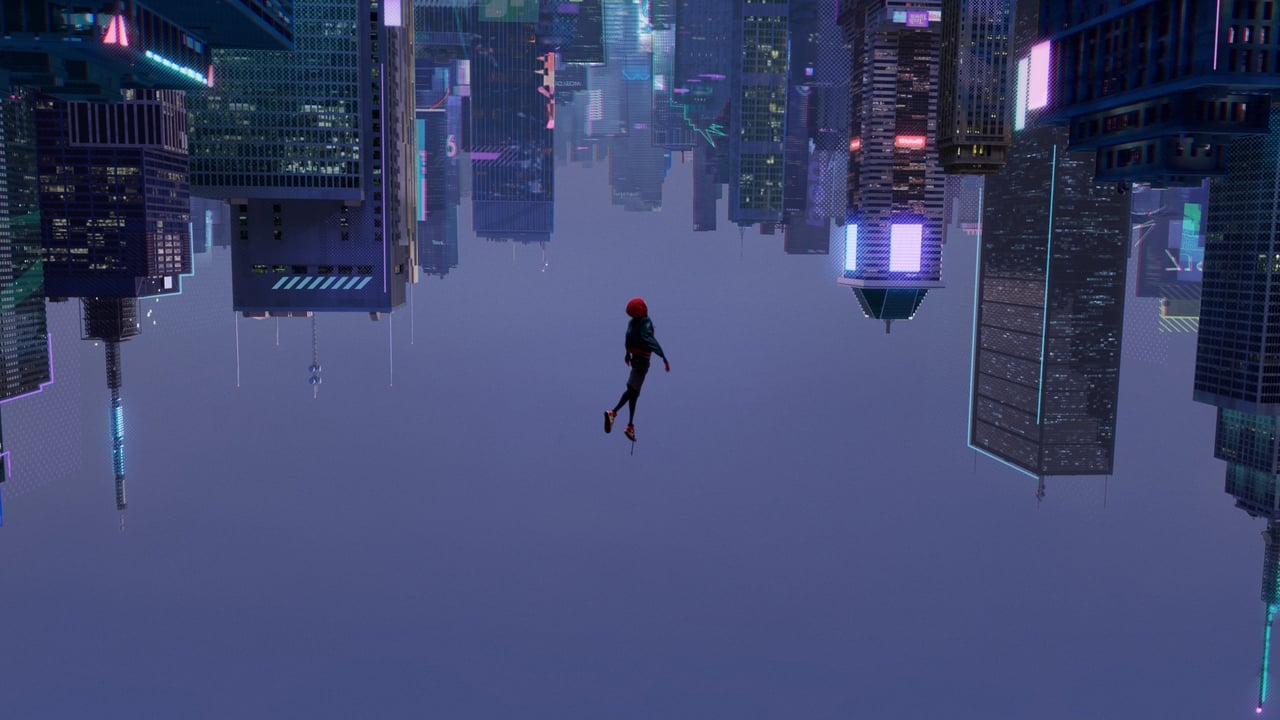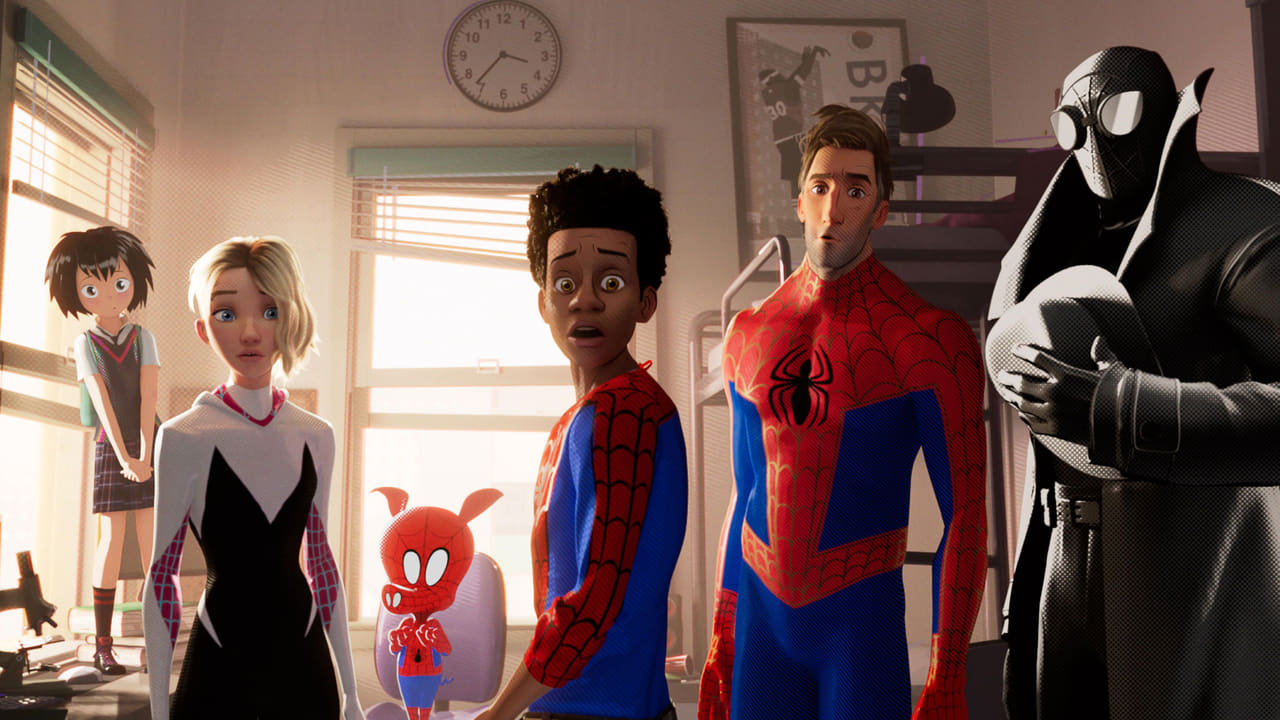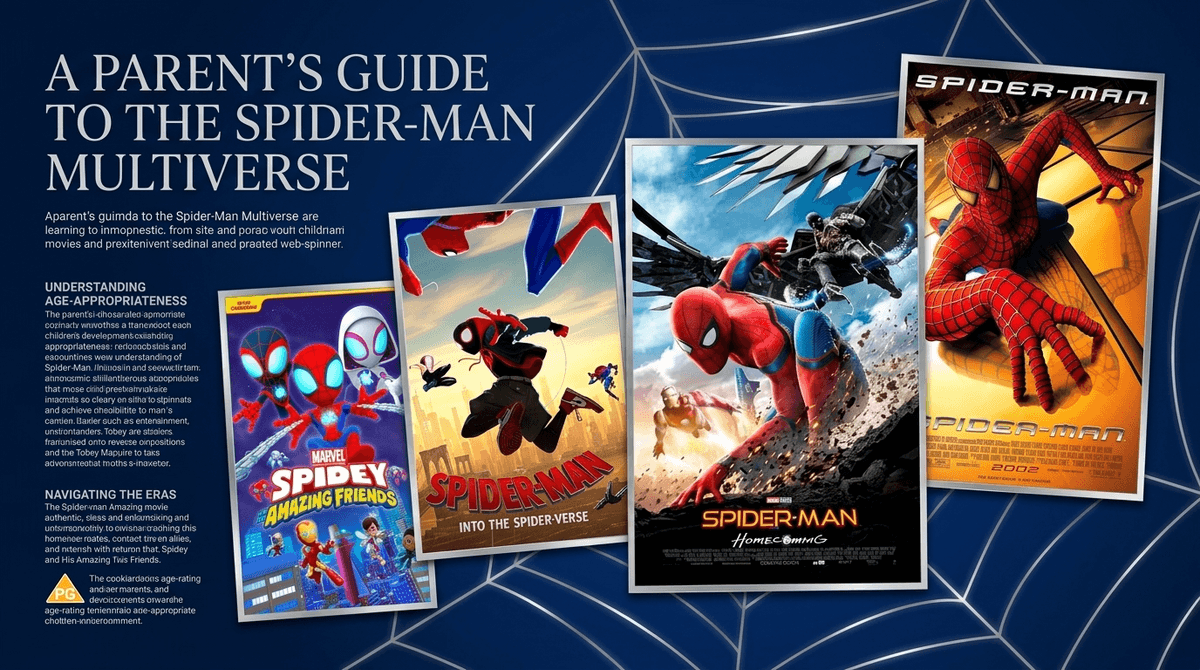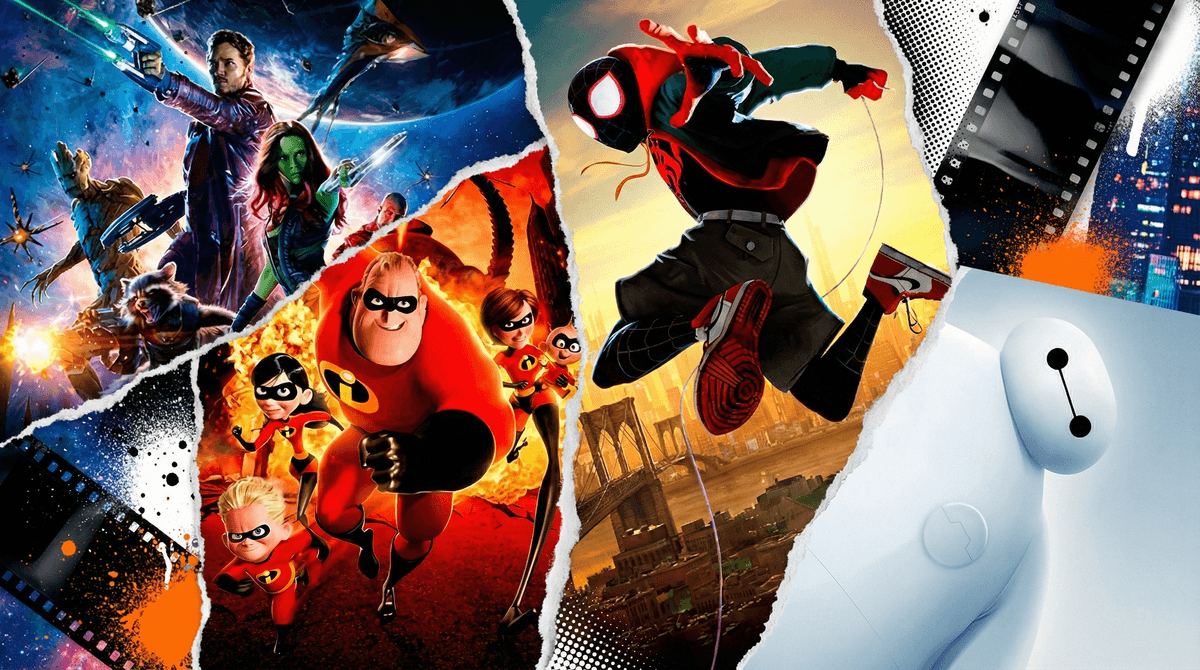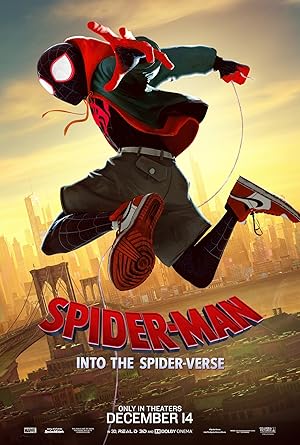





This is the rare superhero movie that's both a visual masterpiece and emotionally intelligent. Miles Morales is one of the best protagonists in any animated film—dealing with imposter syndrome, family pressure, grief, and the weight of responsibility in ways that feel real.
The animation alone makes this worth watching; it's genuinely innovative and will make kids think differently about what animation can be. But it's the heart that makes it special—the relationship between Miles and his dad, the mentorship with Peter B. Parker, the 'anyone can wear the mask' message that actually means something.
Yes, there's a significant character death early on, and Kingpin is properly scary at times, so gauge your kid's sensitivity. But this is exactly what superhero movies should be: exciting, meaningful, funny, and ultimately about becoming the best version of yourself. It's also genuinely cool in a way that works for both 8-year-olds and 15-year-olds, which is rare.
If your kid hasn't seen it, fix that. If they have, they probably want to watch it again. This is the gold standard.
Part of Spider-Man — which one fits which age, and what to watch in what order.