






Sci-fi for kids is at its best when the high-tech gadgets and multiverse-hopping serve as a backdoor for big, complicated human feelings. The best stories in this genre don't use technology to distract from the plot; they use it to amplify themes like grief, identity, and what it means to be a good friend in an age of algorithms.
TL;DR: Heartfelt sci-fi for kids swaps lens-flares for emotional resonance, using speculative settings to explore friendship, grief, and identity. Start with WALL-E for a masterclass in visual storytelling or Big Hero 6 for a STEM-heavy look at processing loss. These movies use imaginative animation to make big human conversations easier to start.
There is a long-standing sci-fi tradition of using artificial intelligence to teach us about being human. For kids, this usually lands as the "unlikely robot best friend" trope, but the best versions of these stories skip the clichés and go straight for the heart.
This is arguably Pixar's peak. It manages to be a crushing indictment of consumerism and a beautiful romance with almost zero dialogue in the first act. It works for preschoolers because it's purely visual, but the "Earth as a wasteland" setting gives older kids plenty to chew on regarding environmental responsibility. Watch for the moments where WALL-E gets damaged; it’s brief, but for a robot with that much personality, it hits hard.
Baymax is the gold standard for "huggable tech." While the movie is a superhero origin story set in the gorgeous San Fransokyo, it's secretly a movie about processing the death of a sibling. Hiro’s grief is the engine of the plot. It’s a great pick for kids interested in robotics and STEM, as the "powers" are all engineering-based, but be ready to talk about the early loss of Hiro's brother, Tadashi.
This is the modern update to the robot-friend story, specifically targeting the "social media anxiety" era. It follows Barney, a kid whose robot is a glitchy mess in a world where everyone else has a perfect, algorithm-driven companion. It’s a sharp look at how "likes" don't equal friendship. It’s perfect for the 7-12 crowd who are just starting to feel the pressure of digital popularity.
Some sci-fi exists to push the boundaries of what we can actually see on a screen. When the art style is as revolutionary as the technology in the story, you get something that sticks with a kid forever.
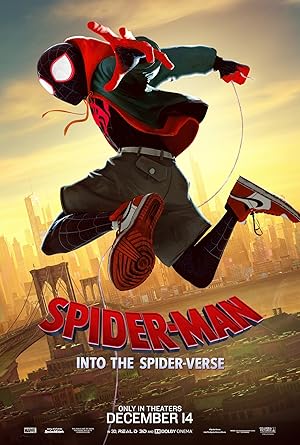
This movie changed animation forever. It looks like a comic book come to life, but Miles Morales is the real draw. He’s a kid dealing with the weight of expectations—from his parents, his school, and eventually, the entire multiverse. It’s a 10/10 on the "cool" factor, but the emotional core is Miles finding his own identity rather than trying to be a carbon copy of Peter Parker. Note: the first Peter Parker dies early on; it's handled well, but it's a heavy start for sensitive younger viewers.
The sequel cranks the visual intensity to eleven. It’s a more complex story about fate and whether we have to follow the "canon" of our lives. The relationship between Miles and his parents is one of the best-written family dynamics in any genre. The big caveat here: it ends on a massive cliffhanger. If your kid hates being left in suspense, you might want to have a plan for the "what happens next" conversation.
Sometimes the "sci-fi" element isn't about spaceships, but about how we use tools and understanding to bridge the gap between us and the "monsters" we’ve been taught to fear.
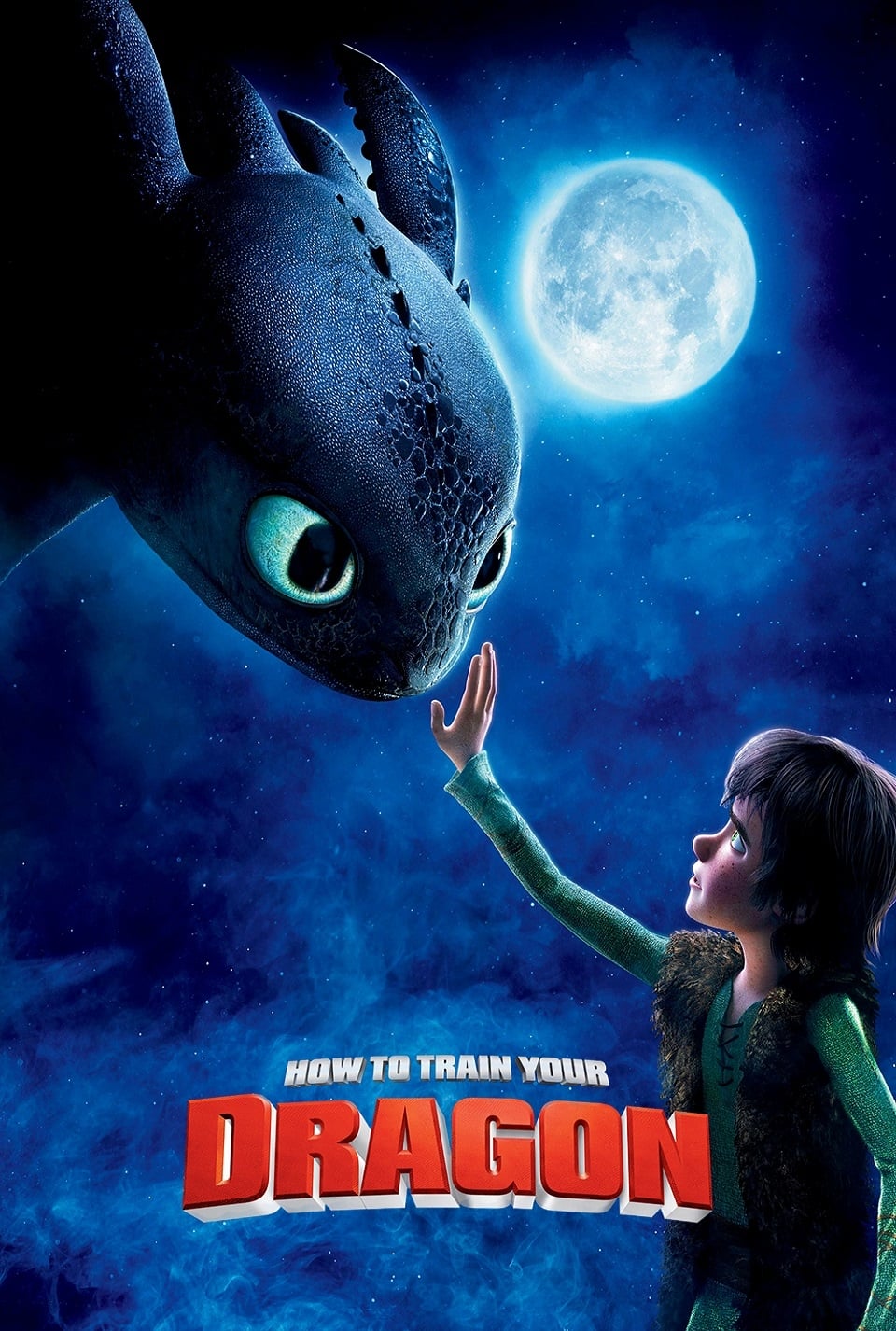
While often categorized as fantasy, this is a story about a young engineer (Hiccup) who uses observation and mechanical invention to end a war. It’s sci-fi in spirit—Hiccup doesn't "magic" his way into a friendship with Toothless; he builds a prosthetic tail and studies the dragon's biology. It’s a top-tier story about empathy. Just a heads-up: the final battle is intense, and Hiccup loses his foot at the end—a permanent consequence that is rare and refreshing in kid media.
Think of this as the nautical cousin to Dragon. It’s a visually stunning Netflix production that tackles how propaganda and "history" can be used to make us fear things we don't understand. Maisie, the stowaway protagonist, is the one who realizes the "monsters" aren't the problem. It’s a great conversation starter about questioning the status quo.
This is a slick heist comedy that feels like Ocean’s Eleven for the elementary school set. The sci-fi element is light, but the "high-tech heist" tropes are all there. The real story is about redemption and whether a "Bad Guy" (a wolf, a snake, a shark) can actually change their nature when society has already decided who they are. It’s funny, stylish, and carries a surprisingly sweet message about the "tingle" of doing something good.
This is an underrated gem from Disney’s experimental era. It’s a time-travel adventure about an orphan inventor named Lewis who keeps failing. The movie’s mantra—"Keep Moving Forward"—is the best cinematic explanation of the growth mindset you’ll ever find. It’s weird, whimsical, and celebrates failure as a necessary step to success. The abandonment themes are present but handled with a lot of grace.
Sci-fi is the perfect genre for "What if?" questions. After watching, skip the "Did you like it?" and go for:
- The Design Question: "If you had to build a robot like Baymax or Ron, what one job would you give it?"
- The Empathy Question: "In The Sea Beast or How to Train Your Dragon, why was the 'hero' the only one who didn't want to fight?"
- The Identity Question: "Miles Morales has to figure out his own 'Spider-Man style.' What’s something you do differently than everyone else?"
For more recommendations on what to watch next, check out our best movies for kids list or our digital guide for elementary school.
Q: What age is Spider-Verse appropriate for? Spider-Man: Into the Spider-Verse is great for ages 7 and up. The sequel is a bit more intense and complex, leaning more toward 9+. Younger kids can handle the action, but the emotional themes and some of the darker villain moments (like Kingpin or the Prowler) might be a bit much for the preschool crowd.
Q: Is WALL-E too sad for toddlers? The first twenty minutes of WALL-E are lonely, but not necessarily frightening. Most toddlers find WALL-E’s personality and his pet cockroach charming enough to get through the quiet parts. The "sadness" is mostly felt by adults who understand the environmental stakes; kids usually just see a cute robot on a mission.
Q: Why does How to Train Your Dragon count as sci-fi? While it has dragons, it functions like sci-fi because the protagonist uses the scientific method—observation, trial and error, and mechanical engineering—to solve his problems. It’s a story about a tinkerer changing his world through tech and understanding.
Q: Which of these is best for a kid who struggles with social anxiety? Ron's Gone Wrong is the direct hit here. It specifically addresses the feeling of being the "only one" who doesn't fit in or doesn't have the latest gadget. It’s very validating for kids navigating the social pressures of middle school.
If your kid loved the engineering in these movies, they might be ready for our best games for kids list to find some building-heavy sandboxes. If they're all about the "unlikely friend" trope, check out our guide to the best podcasts for kids for more character-driven stories.