Our reviews and ratings are 100% unbiased. Screenwise is a Bookshop.org affiliate and an Amazon Associate, so if you buy a book through one of our links, we may earn a commission. Bookshop.org purchases also support independent bookstores.
Screenwise Verdict
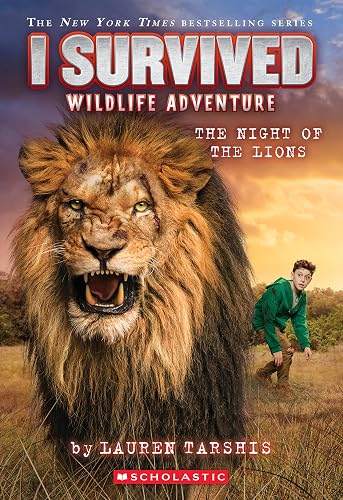
Lauren Tarshis has written 26 of these for a reason: they work. If you have a kid who thinks books are boring, I Survived the Night of the Lions is the antidote. It’s fast, it’s scary, and it actually teaches them something about the world beyond their own backyard.
It’s not high literature, but it’s high-quality engagement. The stakes are real, the research is solid, and the protagonist is someone kids can actually relate to. It’s a low-risk, high-reward addition to any kid's bookshelf.
Age Fit
Perfect for the 8-12 crowd. Younger kids (6-7) who are advanced readers will enjoy it but might need a parent nearby to handle the 'am I going to be eaten?' tension.
WISE Breakdown
Wholesome
88
The story centers on sibling bonds and overcoming personal setbacks (like a career-ending sports injury) through grit and perspective. It avoids snark and toxic tropes in favor of genuine character growth.
Imaginative
82
While it follows the established 'I Survived' formula, the vivid descriptions of the Okavango Delta and the focus on animal behavior spark a lot of curiosity about the natural world.
Safe
85
It is a survival book, so expect intense peril, a plane crash, and the threat of being eaten. It's 'nature red in tooth and claw'—scary for sensitive younger kids, but standard for the 8-12 age bracket.
Enriching
92
Lauren Tarshis is the gold standard for sneaking geography and biology lessons into high-octane thrillers. Kids come away knowing more about Botswana's ecosystem than they would from a textbook.
Parent Info
✓
Why It Might Be Great
Reluctant reader bait that uses short chapters and cliffhangers to keep kids who 'hate reading' glued to the page.
Deep nature dive into Botswana’s Okavango Delta, offering a vivid look at lions, leopards, and elephants without feeling like a lecture.
Emotional resilience is at the core, as the protagonist Dylan has to pivot from his lost baseball dreams to surviving a literal life-or-death crisis.
Sibling dynamics that aren't just bickering; Dylan’s older sister is a filmmaker and a mentor figure, showing a healthy family support system.
⚠
What to Watch For
The plane crash sequence and the subsequent isolation are high-tension and might be a bit much for kids prone to travel anxiety.
Predatory violence is a reality here; while not gory, the threat of being hunted by lions is constant and described with visceral intensity.
Conversation Starters
"Dylan had to give up his baseball dreams because of an injury. Have you ever had to give up something you loved? How did you handle it?"
"Why do you think the author chose a lion as the main 'villain' instead of just the weather or the plane crash?"
"If you were stranded in the wild, what's the one skill you wish you had right now?"
"Botswana has a very specific ecosystem. How is the Okavango Delta different from the nature we see around our house?"
Deep Dive
The Tarshis Formula
There is a specific rhythm to the I Survived series that Lauren Tarshis has perfected over two dozen books. You start with a 'flash-forward' to the moment of peak peril, then rewind to meet a kid dealing with a relatable, modern-day problem. In #26, that problem is the loss of identity after a sports injury. It’s a smart hook—most kids understand the frustration of things not going according to plan long before they ever encounter a lion in the wild.
Why Botswana Matters
Unlike some of the historical entries in the series (like the Titanic or the American Revolution), this nature-focused entry feels more immediate. By setting it in the Okavango Delta, Tarshis gets to play with a different kind of 'disaster.' It’s not just a one-time event like a volcano; it’s a sustained environment of danger. The book does an excellent job of explaining the geography without slowing down the plot.
The Reluctant Reader's Best Friend
If you're trying to compete with YouTube or Fortnite, you need a book that moves. The chapters here are short, the sensory details (the smell of the grass, the sound of a growl) are sharp, and the peril is constant. It’s a 'safe' kind of scary—you know the kid survives (it’s in the title, after all), which gives children the security to enjoy the adrenaline rush of the story.