Hogwarts Atmosphere Meets Free-to-Play Friction
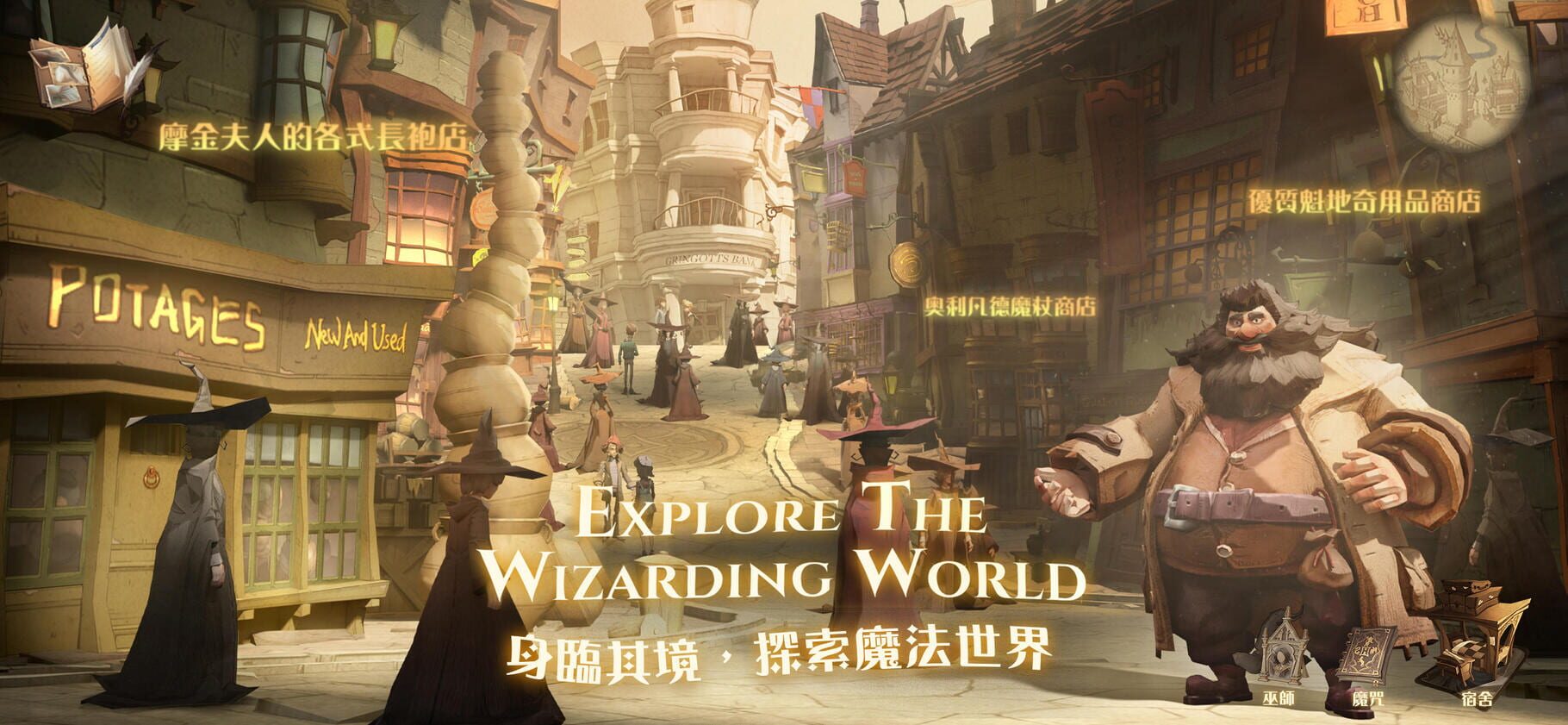
If you stripped away the mobile monetization, Harry Potter: Magic Awakened would be one of the best wizarding world games in years. The visual design swaps Hollywood realism for an expressive, vintage illustration style that fits the narrative context cleanly. Players build custom spell decks, attend Hogwarts classes, and test their reflexes in real-time magical duels.
The Real-World Risks
The game's double-edged sword is its live-service social layer. Unlike offline Potter titles, Magic Awakened functions like a mini social network. Players can dance in ballroom mini-games, join house clubs, and participate in open-text quiz chats. Moderation across these channels is hit-or-miss, meaning kids can encounter crude text or unsolicited direct messages from older players.
Then there's the microtransaction engine. High-tier spell cards like Avada Kedavra or legendary summons sit behind randomized gacha mechanics. While early story chapters hand out decent cards for free, high-ranked PvP duels quickly turn into a pay-to-win wall where players who spend real money hold a stark statistical advantage.
How to Manage It
If your middle schooler wants in on the magic, treat this as a co-engagement game rather than a set-it-and-forget-it download. Turn off direct messaging in privacy settings, set strict password controls on app store purchases, and focus on the story campaign rather than competitive leaderboard chasing.