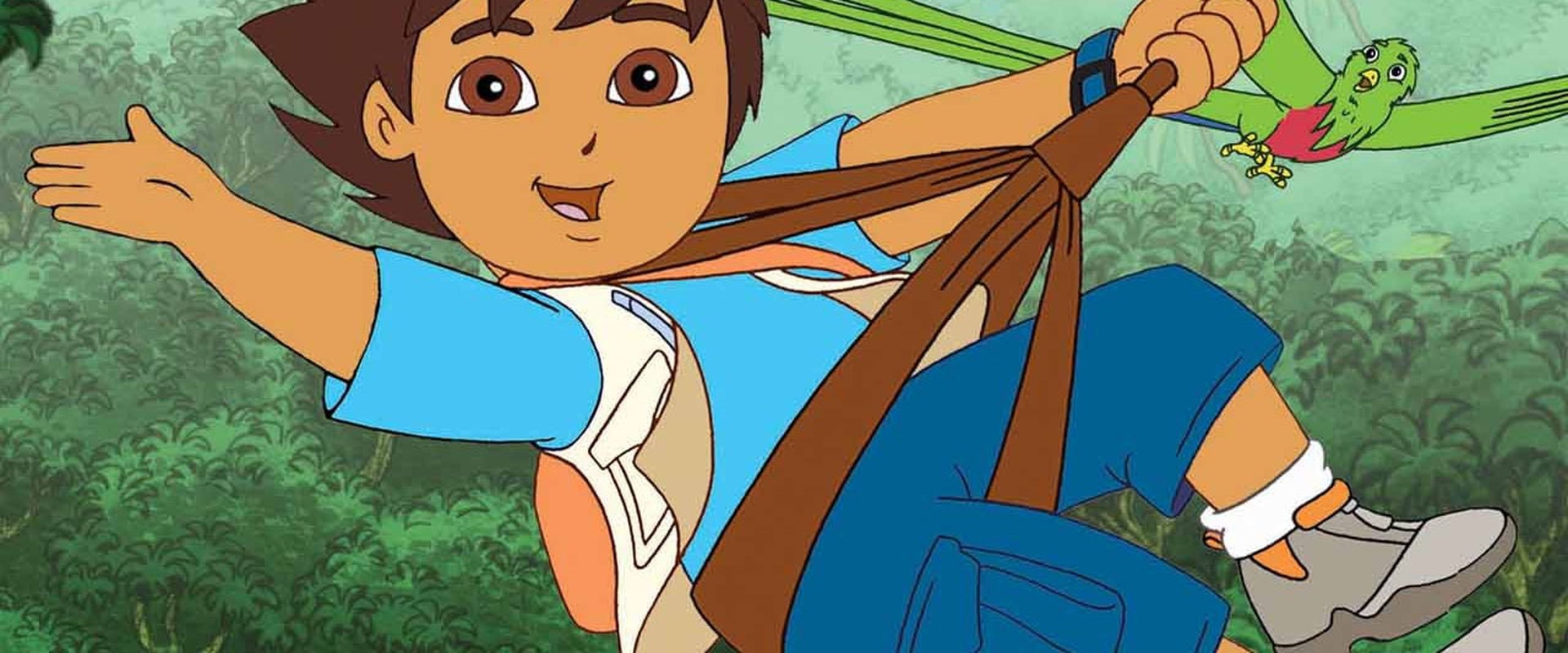
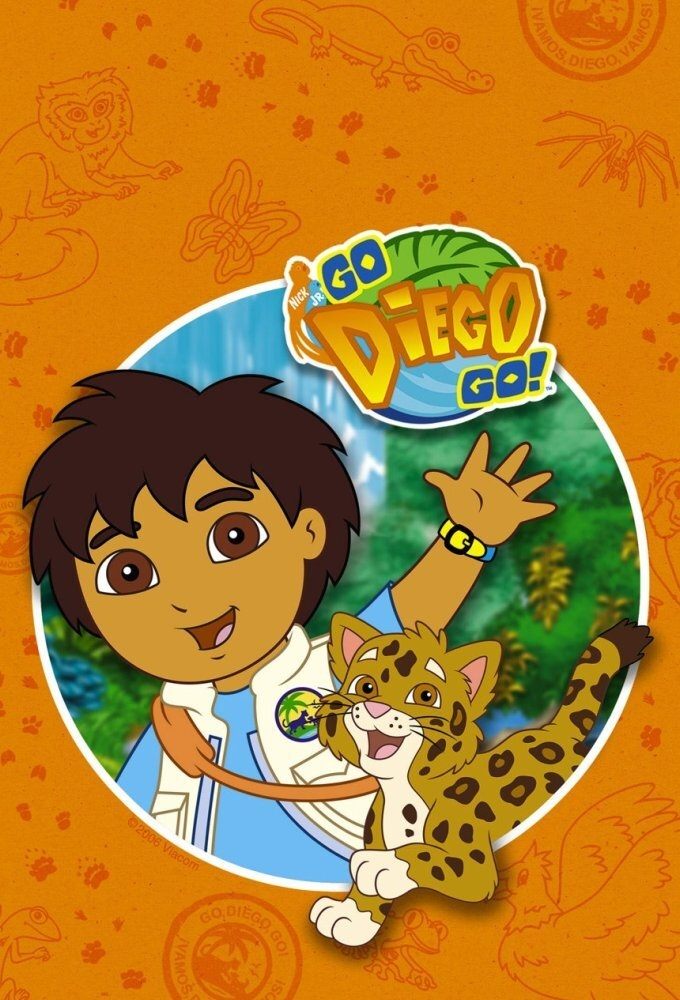
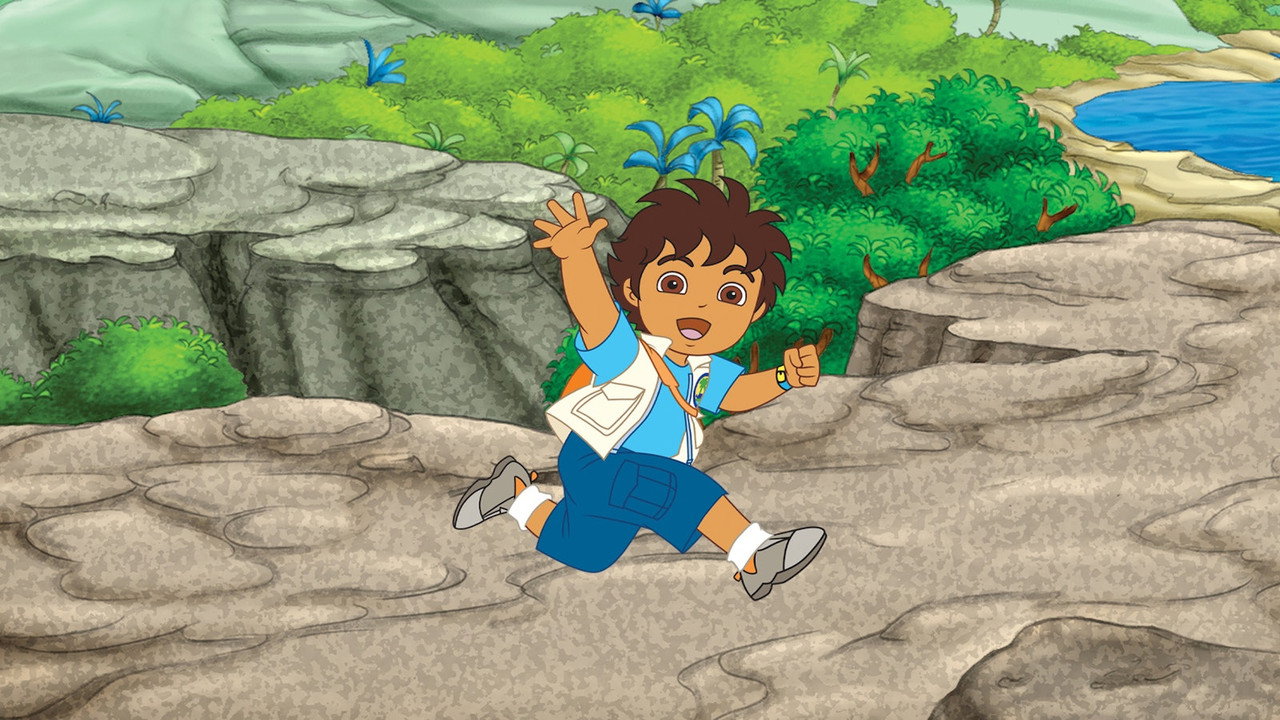
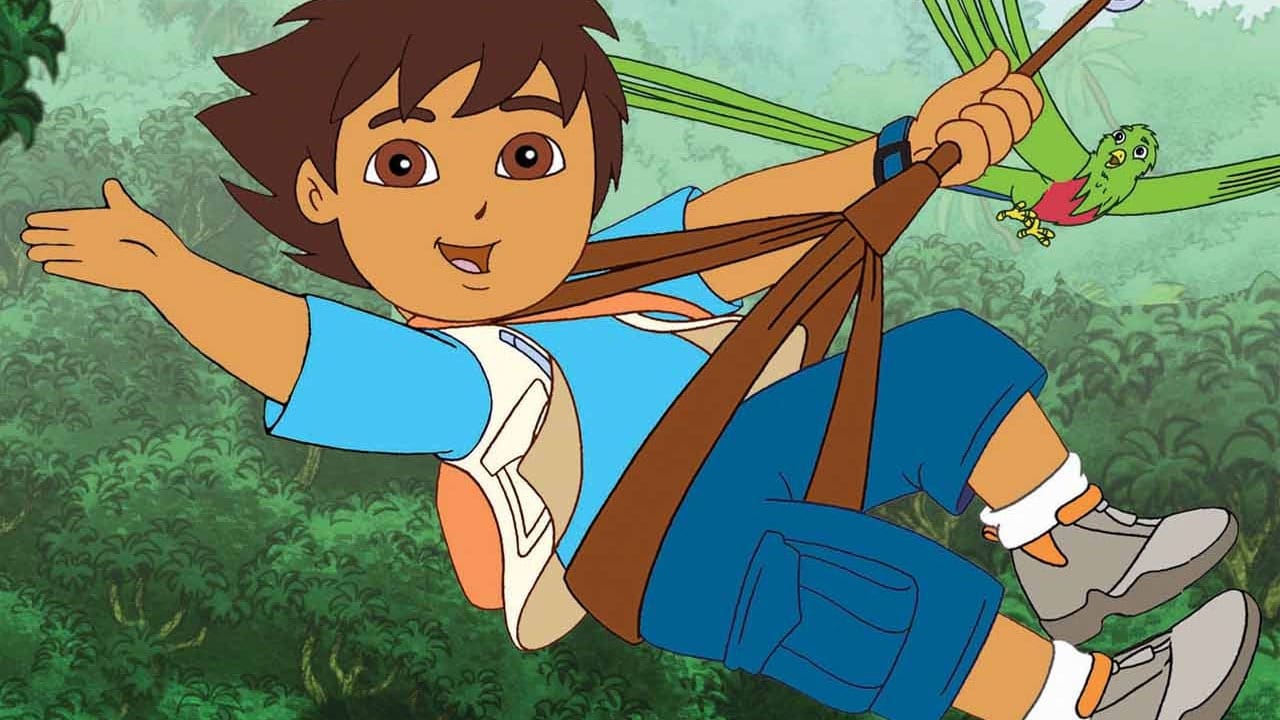
The 4.4 IMDB rating for Go, Diego, Go! is a hilarious data point that tells you everything you need to know about the divide between toddlers and their parents. To a three-year-old, Diego is a high-stakes action hero. To an adult, he is a loud, repetitive child who refuses to move the plot forward until someone in the living room screams "Al rescate!" at the television.
If you are coming to this from the world of Bluey or StoryBots, the "interactive" format of mid-2000s Nick Jr. shows will feel like a glitch. The long pauses where Diego stares into the camera, waiting for your child to identify a jaguar, are designed for developmental processing, but they make for a brutal co-viewing experience. You aren't here for the prestige TV; you’re here because your kid is currently obsessed with animals and you need twenty minutes to start dinner without a catastrophe.
The Dora DNA with a scientific tilt
This is a spinoff of Dora the Explorer, and it shares the same structural bones: a journey from point A to point B, three obstacles, and a lot of shouting. However, Diego swaps the whimsical "Map" and "Backpack" for more grounded tools like "Click" the camera and "Rescue Pack."
The focus on wildlife is the show's actual selling point. While the animation is stiff, the information about animal habitats and behaviors is surprisingly solid for the age group. It introduces the idea that animals have specific needs—diet, climate, and safety—which is a great bridge to more sophisticated nature programming later on. If your kid is already gravitating toward shows about hiking and solo adventures, Diego serves as a "Junior Varsity" version of that outdoor-independence vibe.
The "Octonauts" pivot
If you find that the 2005-era pacing is making your kid restless, or if the repetitive songs are driving you toward a breakdown, there is a clear upgrade path. Octonauts is essentially the modern, high-budget evolution of what Diego started. It has better music, more complex "missions," and a much higher "parental tolerance" factor.
However, Diego has one thing Octonauts doesn't: the bilingual element. The Spanish integration is seamless. It’s never a "lesson"; it’s just how Diego and his sister Alicia communicate. For parents who want to normalize hearing multiple languages in the house, Diego is a low-friction way to do it.
How to use it without losing your mind
Don't treat this as a "family movie night" selection. This is utility programming. It works best for:
- The "I want to help" phase: If your kid is constantly trying to "rescue" the cat or "fix" things, Diego’s mission-based structure channels that energy.
- Animal-obsessed toddlers: If they can name every creature in the backyard, they will forgive the dated 2D animation.
- Early language exposure: It’s one of the most accessible ways to introduce basic Spanish vocabulary without it feeling like schoolwork.
If the screaming and the pauses get to be too much, just remember that the show is finite. By the time they are six, they’ll find Diego babyish, and you’ll be trading the "Rescue Pack" for more complex adventures. Until then, let them yell at the screen. It’s the only way the animal gets saved.