The Power of the Animated Shield
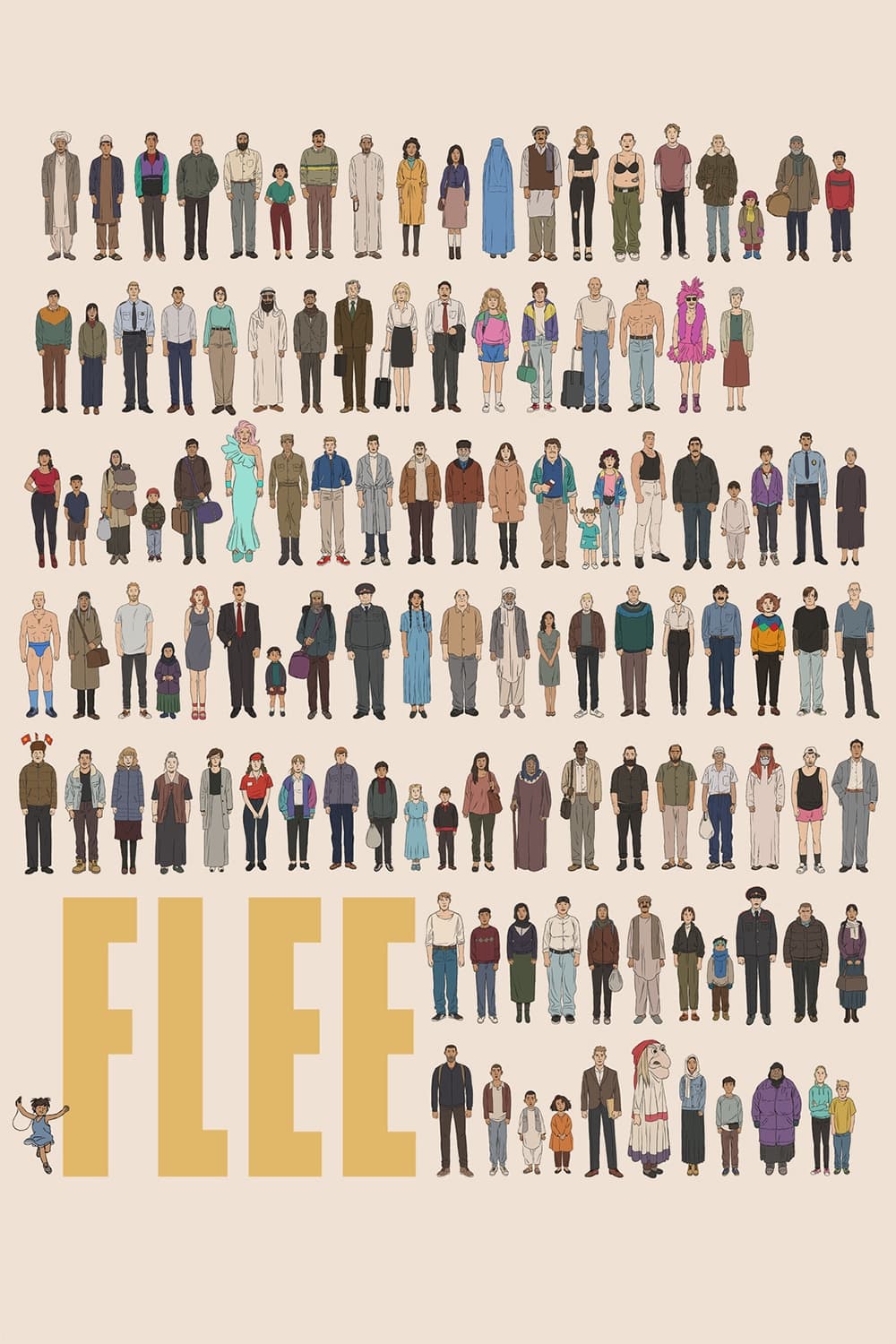
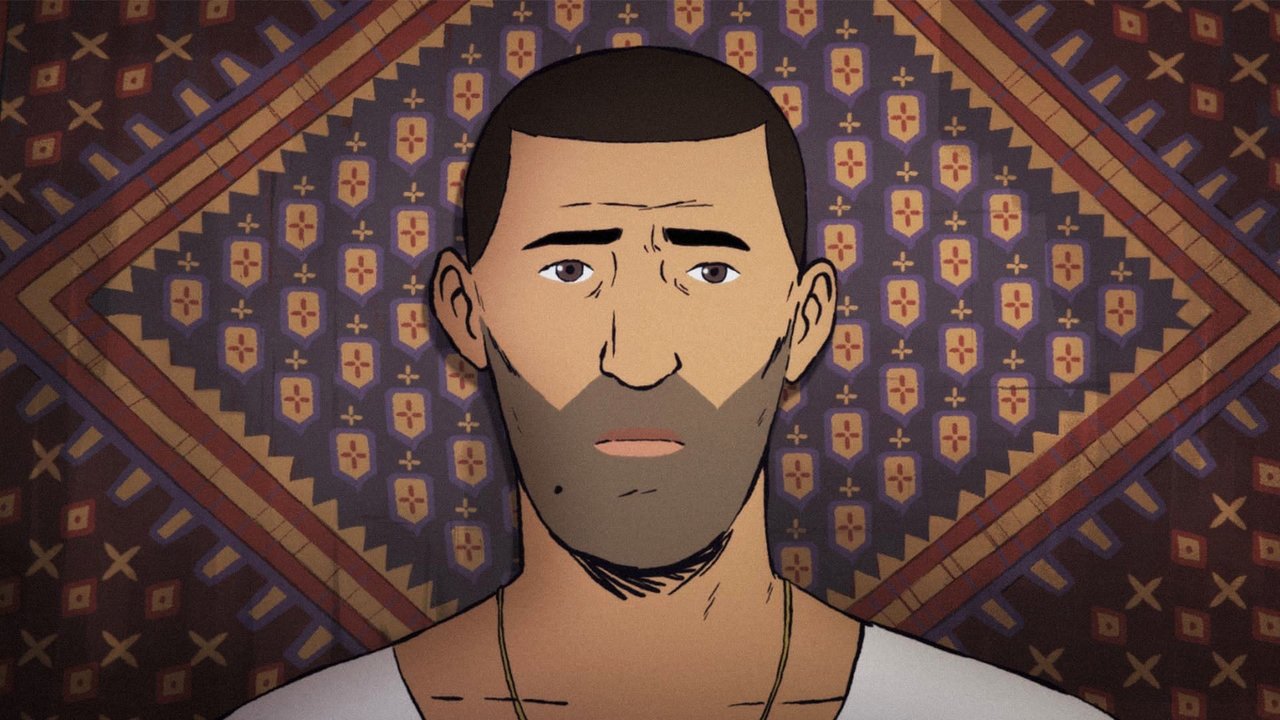
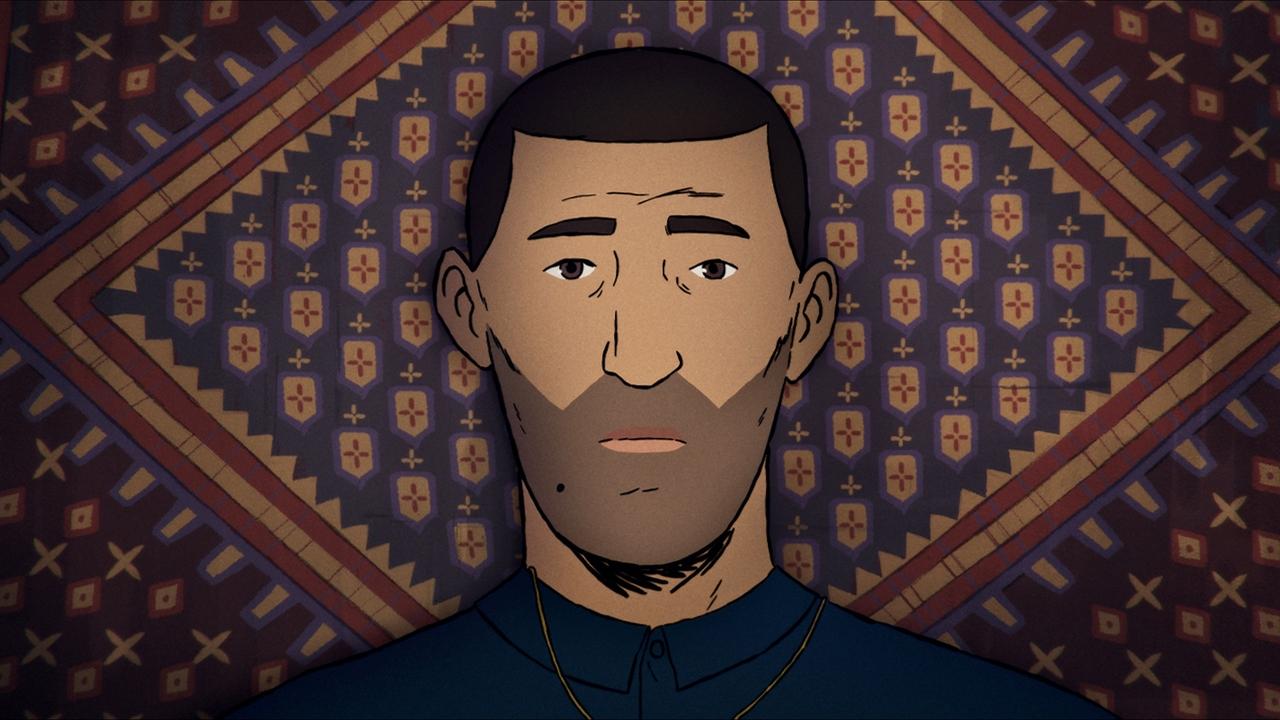
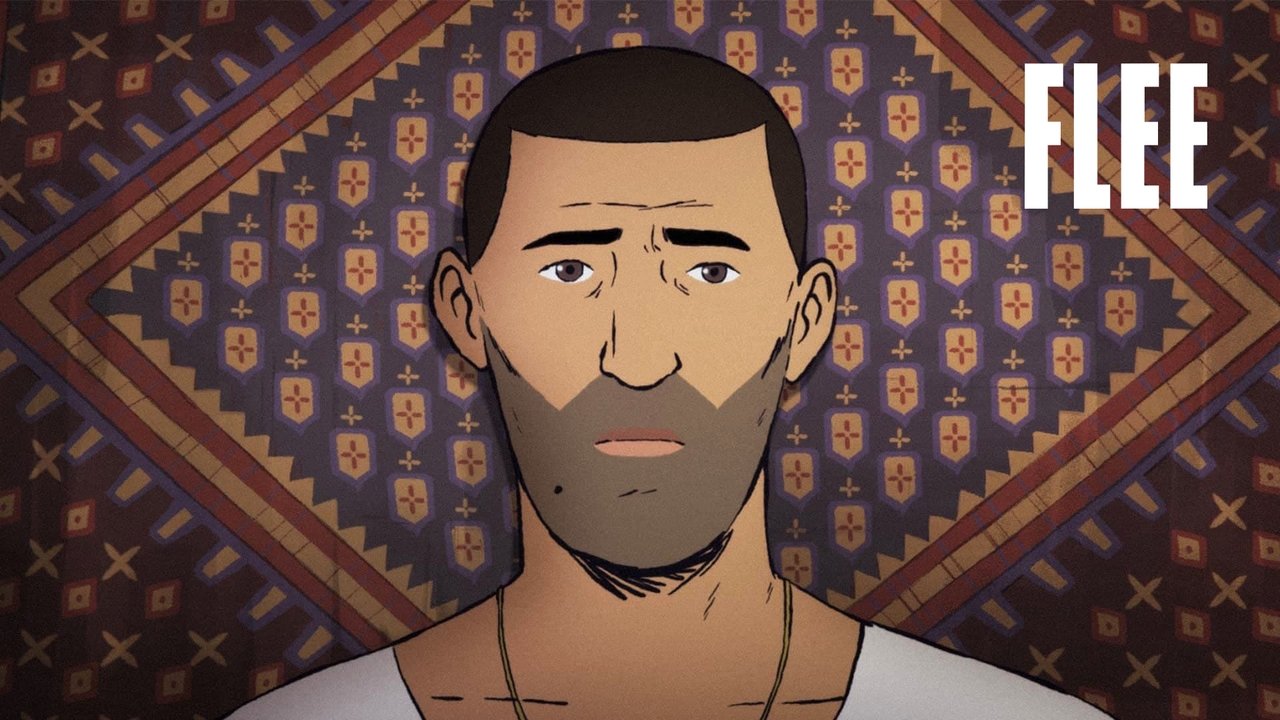
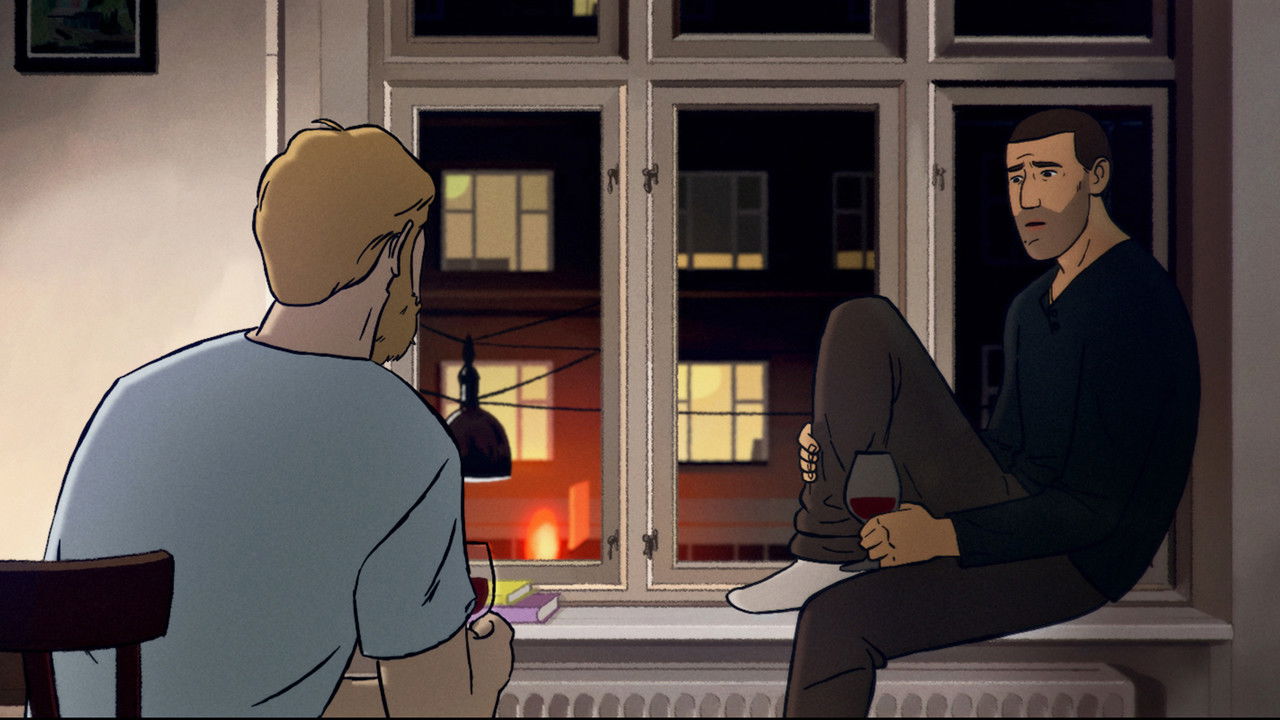
Most documentaries about the refugee experience rely on grainy news footage or talking heads. Flee takes a different path. Because the protagonist, Amin, needed to remain anonymous to protect his legal status and his family, director Jonas Poher Rasmussen used animation. This isn't a gimmick; it’s a portal. The art style shifts from clear, vibrant lines for the present day to charcoal-smudged, abstract sketches when Amin recounts his most traumatic memories. It’s a visual representation of how trauma affects memory—some things are sharp, others are a blur of feeling.
A Global History Lesson
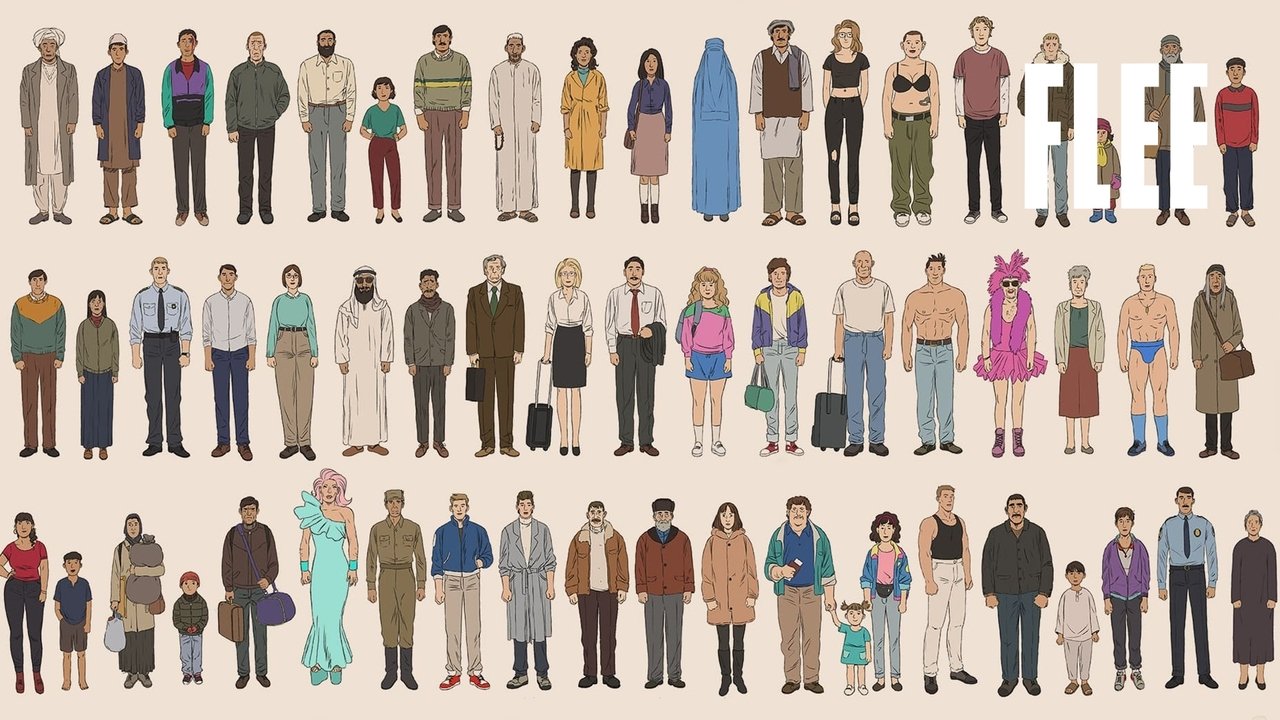
For kids who only know Afghanistan through modern headlines, Flee provides a necessary backstory. It starts in the 1980s, showing a Kabul that was vibrant and full of music (Amin’s love for A-ha is a recurring joy) before the conflict escalated. The journey through post-Soviet Russia is equally eye-opening, depicting a world of corruption and desperation that rarely gets screen time in Western media.
Beyond the Survival Story
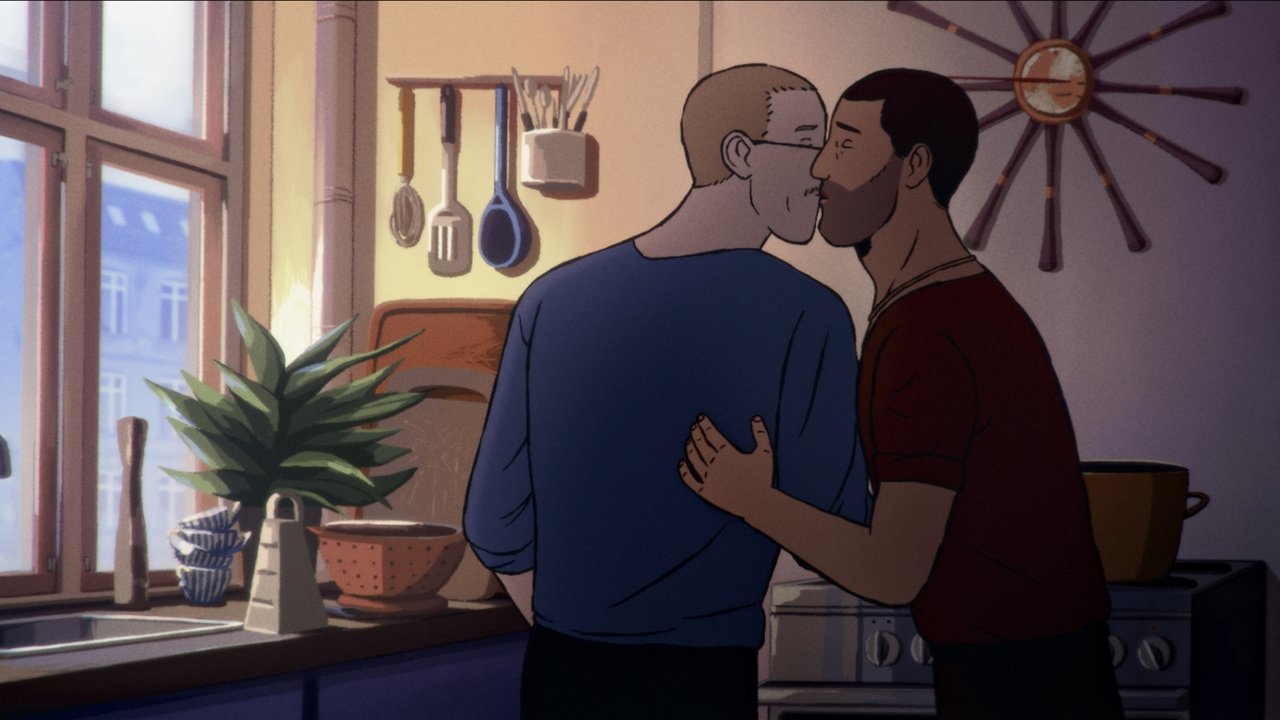
What makes Flee stand out from other survival stories is the layer of Amin's identity. He isn't just running from a war; he’s also navigating the realization that he is gay in a culture where that wasn't openly discussed. The scene where he finally comes out to his family is one of the most moving moments in modern cinema, proving that even in the middle of a global crisis, the most important battles are often the ones fought for personal honesty.
If you're watching this with a teen, be prepared to pause and look up some maps. The geography of his escape—from Kabul to Moscow to the forests of Estonia—is as much a character in the film as Amin himself.