The anti-productivity productivity app
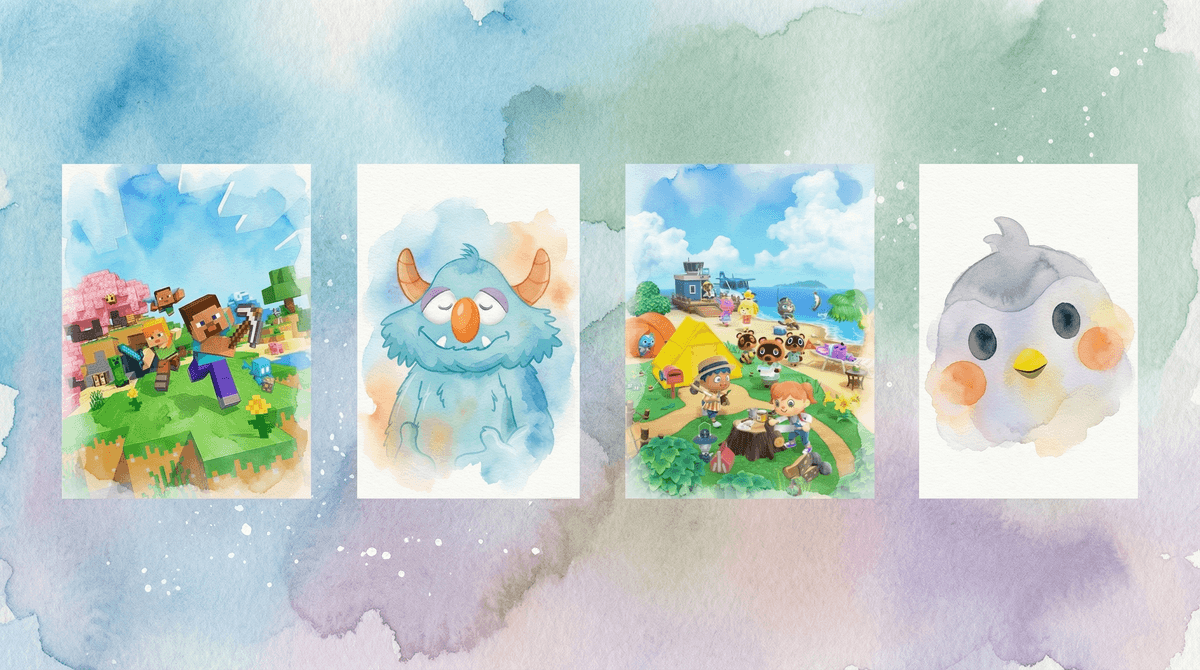
Most habit trackers are built on the "don't break the chain" philosophy. They use streaks to bully you into compliance, and if you miss a day, the red icons make you feel like a failure. Finch takes the opposite approach. It is essentially a kindness engine. Instead of a drill sergeant, you get a tiny bird that only grows when you take care of yourself.
The genius here is the externalization of self-care. It is often much easier for a kid (or an adult) to do a breathing exercise because "the bird needs energy for its adventure" than because "it is good for your nervous system." By moving the motivation from a nebulous internal goal to a concrete external need—a cute pet that wants to go explore—the app bypasses the resistance many kids feel toward anything that smells like therapy.
Why the digital cozy vibe works
We spend a lot of time worrying about the high-stress, high-comparison nature of social media. Finch is a perfect example of what we call anxiety-friendly-apps-and-digital-spaces. There are no leaderboards. There is no "discover" feed where your kid will see someone else’s "better" life. It is a closed loop.
The "adventures" the pet goes on are the core of the experience. After you complete enough tasks, the bird returns with a little story or a question. These moments are surprisingly thoughtful. They might ask how the pet should feel about a certain situation, which subtly forces the user to practice perspective-taking. It is the kind of emotional intelligence training that usually feels like a chore in a classroom setting but feels like a reward here.
Moving beyond the "cutesy" label
While the art style is definitely on the adorable side, don't assume this is just for little kids. The app includes legit tools like guided breathing, grounding exercises for panic, and mood journaling with actual insights. For older kids navigating the social pressures of high school, it serves as a low-stakes anchor. It is a solid addition to a rotation of the best apps for teens because it provides a private, non-judgmental space to vent.
If your kid has ever been obsessed with a virtual pet but eventually got bored because the pet didn't "do" anything, Finch might stick. The pet grows, it gets new clothes, and it discovers new locations, but all of that progress is tied to the user's real-world well-being.
The friction to watch for
The only real hurdle is the initial setup. If a kid is in a particularly low spot, even "naming a bird" can feel like a lot of work. It helps to set it up together and maybe pick a few "easy wins" for the daily goals—things they are already doing, like "brush teeth" or "put on shoes."
The app doesn't punish you for being away, which is great for mental health, but it also means it relies entirely on the user's affection for the bird to keep them coming back. If the kid doesn't bond with the character, the app becomes just another icon on the home screen. But for the kids who do click with it, it is a rare piece of technology that actually leaves them feeling better than when they opened it.