The Olympics of Pop
Imagine the Super Bowl halftime show, but it lasts four hours, features 26 different countries, and is judged by a combination of professional juries and millions of people texting from their couches. That’s Eurovision. It’s a cultural juggernaut that most Americans only know through the Will Ferrell movie, but the real thing is much weirder and more impressive.
Since its debut in 1956, the contest has transformed from a formal, tuxedo-clad singing competition into a high-tech fever dream. For a parent, it's a goldmine of 'teachable moments.' You’ve got geography (why is Israel in it? Why is Australia?), history (the post-WWII origins of the EBU), and even a bit of sociology (the 'neighborly voting' between Nordic or Balkan countries).
"Eurovision is the only place where a heavy metal band from Finland can compete against a ballad singer from Portugal and a techno-folk group from Ukraine, and everyone takes it completely seriously while wearing sequins."
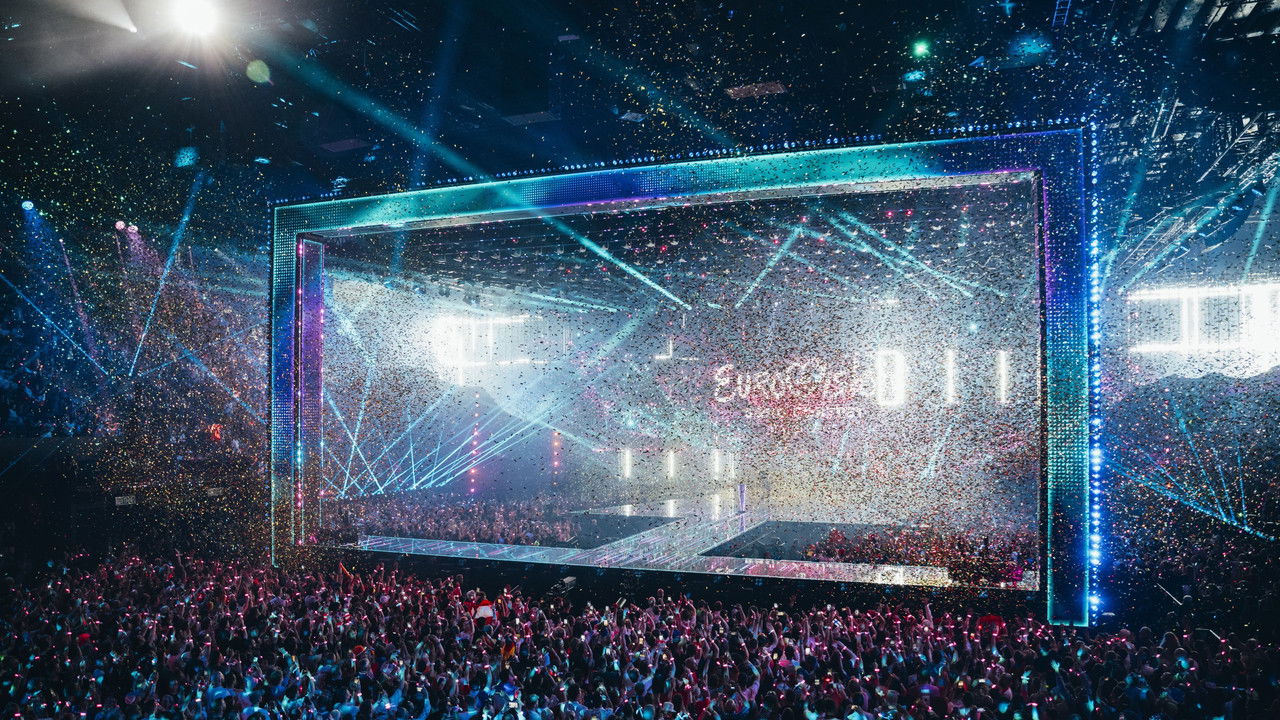
From a technical standpoint, the show is the gold standard for live television. If you have a kid interested in theater, lighting design, or live sound, this is their textbook. The music? Well, it's a mixed bag. You'll hear genuine hits (this is where ABBA and Celine Dion got their start) and songs so bad they become legendary. But that’s the charm. It’s a rare piece of media that works for a 7-year-old who likes the pretty dresses and a 47-year-old who likes the snarky commentary.
If you're watching in the US, you'll likely need a streaming service like Peacock or the official YouTube channel. And unless you want your kids up until 3 AM, maybe treat the Grand Final as a Sunday morning 'event' rather than a live Saturday night watch.