Our reviews and ratings are 100% unbiased. Screenwise is a Bookshop.org affiliate and an Amazon Associate, so if you buy a book through one of our links, we may earn a commission. Bookshop.org purchases also support independent bookstores.
Screenwise Verdict
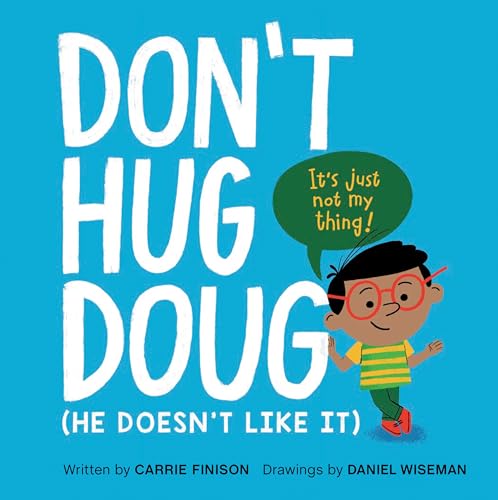
If you have a kid who shrinks away when Grandma goes in for the squeeze, this book is your new best friend. It manages to take a potentially 'heavy' topic like body autonomy and turn it into a light, funny, and deeply relatable story about a kid who just... doesn't really like hugs.
It's a rare 'lesson' book that doesn't feel like a lecture. The art is vibrant, the pacing is quick, and the payoff is a kid who feels more empowered to speak up for their own comfort. It’s essential reading for building a culture of consent from the ground up.
Age Fit
Perfect for the 3-7 crowd. It’s simple enough for toddlers to follow but carries a message that kids entering the 'socially complex' world of elementary school still need to hear.
WISE Breakdown
Wholesome
95
It models perfect social-emotional intelligence without being saccharine. The book centers on kindness and respecting others' personal space, which is about as wholesome as it gets.
Imaginative
78
The illustrations are punchy and the book gets creative with the 'alternatives' to hugging, though it stays grounded in real-world social scenarios.
Safe
100
There is zero objectionable content. In fact, the entire purpose of the book is to increase a child's physical and emotional safety by teaching them they have control over their own body.
Enriching
94
Teaches the foundational concept of consent and body autonomy in a way a four-year-old can actually grasp. It’s a practical tool for life skills.
Parent Info
✓
Why It Might Be Great
Validates introverts and kids with sensory sensitivities who find physical touch overwhelming.
Normalizes consent by showing that saying 'no' to a hug isn't mean or rude—it's just a preference.
Provides practical alternatives like high-fives, fist bumps, and 'the wave' so kids still feel connected to peers.
Great for 'over-huggers' too, helping them learn to read social cues and ask before they lunge.
Conversation Starters
"Doug doesn't like hugs, but he still likes his friends. What are some ways you like to say hello?"
"How do you think we should ask someone if they want a hug?"
"Is there ever a time when you don't want to be hugged, even by someone you love?"
"What's your favorite 'Doug-approved' greeting? High-five, fist bump, or the spin?"