Beyond the Standard STEM Subscription
The STEM box market has been crowded for years, mostly dominated by KiwiCo's Tinker Crate. What sets Crunch Labs apart is personality and kinetic payoff. When you finish a Crunch Labs build, you usually hold something that shoots, spins at high RPMs, or snaps shut with a satisfying click. That functional punch matters: kids test it immediately, discover failure points, and run experiments on their own living room rug.
The Build Experience
Each box focuses on a single core mechanism, from ratchets and escapements to flywheel inertia. The materials are primarily heavy cardstock, engineered birch plywood, custom injection-molded gears, and hardware fasteners. Tolerances are tight enough that parts stay aligned without adhesive, though snapping smaller pins into place can tax younger fingers.
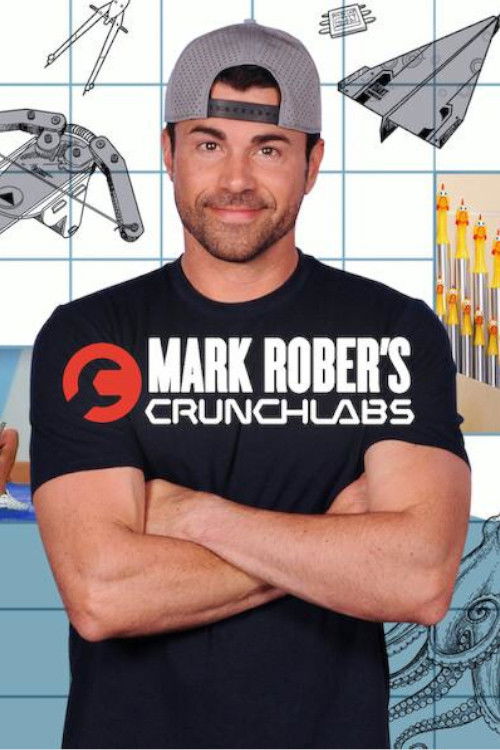
Instead of reading a printed booklet, most kids will scan the QR code and build alongside Mark Rober on a tablet or laptop. The production value is top-tier: punchy pacing, clear camera angles, and zero corporate stiffness. Rober treats the kid like a junior engineer in his lab, explaining why a specific gear ratio matters before showing the next assembly step.
Where It Stumbles
Because the builds lean so heavily on video instruction, you cannot easily decouple the experience from a screen. If your goal is zero digital engagement on build day, following the bare-bones printed cheat-sheet will feel like a downgrade.
Durability is strong for wood and plastic, but rubber bands snap, and paper airplanes crumple. The included mechanisms hold up to reasonable experimentation, but they are desktop models, not drop-tested power tools. Keep a small parts bin handy to save the spare dowels and O-rings for future modifications.