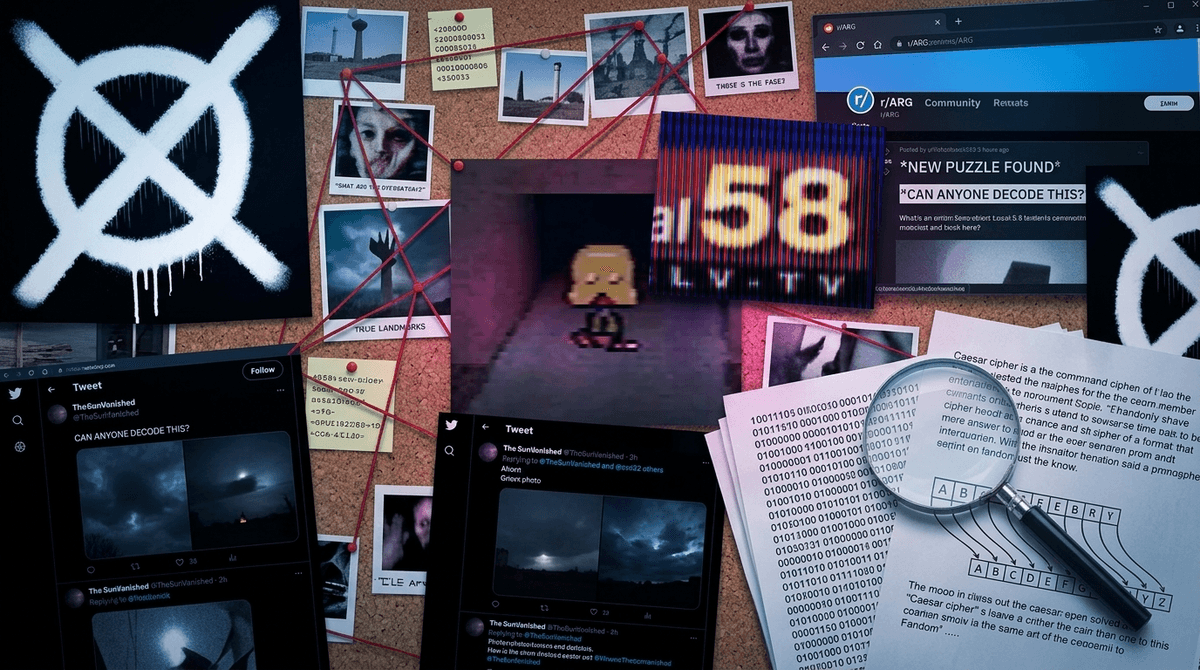
A legendary 2012 internet mystery that used steganography, darknet links, and street-level ciphers to recruit high-level cryptographers.
C3
Cicada 3301
Website
2012
42%
WISE Score
A legendary 2012 internet mystery that used steganography, darknet links, and street-level ciphers to recruit high-level cryptographers.
Jump to
Screenwise Verdict
Cicada 3301 is less of an active website today and more of an internet history legend. In 2012, an anonymous entity dropped a cryptic black-and-white image on 4chan asking for high-IQ individuals, launching a three-year global scavenger hunt filled with steganography, darknet links, and physical clues taped to light poles around the world.
While the official puzzles are long dead and key portions remain unsolved, your teen is far more likely to encounter Cicada 3301 through mini-documentaries on YouTube than by trying to solve PGP ciphers directly. It is a fascinating study in cryptography and online subculture, provided they stick to retrospective video breakdowns rather than chasing copycat links into dodgy forums.
Age Fit
Best for older teens and adults studying computer science or internet history. The puzzle trail requires university-level technical knowledge and crosses through unmoderated corners of the web.
WISE Breakdown
Wholesome
25
Originated on unmoderated boards like 4chan and leans into secret-society tropes without any age-appropriate framing.
Historical clues required navigating darknet Tor hidden services, unmoderated forums, and unverified offline locations.
Enriching
75
Sparked massive interest in computer science, cryptography, and logic, though the actual material is far too complex for casual viewers.
Parent Info
✓
Why It Might Be Great
Masterclass in cryptography: Solvers had to decode everything from PGP keys and substitution ciphers to Maya numerals and obscure William Blake poetry.
Global scavenger hunt: Clues were not just digital—posters with QR codes and cicada symbols popped up on streetlamps from Warsaw to Hawaii.
Spurred real tech curiosity: It inspired a whole generation of cybersecurity students and puzzle designers to study steganography and computational logic.
⚠
What to Watch For
Roots on 4chan and the darknet: The original puzzles started on unmoderated message boards and pushed solvers onto Tor hidden services.
Scams and copycats: The original puzzle series ended years ago, but endless unofficial reboot attempts use the name to harvest personal data or drop malware.
Eerie secret-society atmosphere: The secretive tone and occult-adjacent references can make younger or gullible kids overly anxious about online cults.
Conversation Starters
"What makes people so obsessed with solving mysteries that have no clear prize at the end?"
"How do cryptographers hide secret messages inside plain image files without changing how the image looks?"
"Why is it dangerous to follow random puzzle clues onto Tor or unmoderated message boards?"
Deep Dive
The Gold Standard of Internet ARGs
Before alternate reality games became standard marketing collateral for Hollywood movies, Cicada 3301 set the high-water mark for public internet mysteries. It didn't offer a glossy landing page or a sign-up form. Instead, it required players to extract hidden text from pixel data, translate Anglo-Saxon runes, and decipher scrambled audio files.
What made Cicada unique was its physical footprint. Cracking a digital code in 2012 yielded GPS coordinates across the globe—leading solvers to paper flyers attached to streetlamps in Warsaw, Seoul, and Paris with a cicada emblem and a QR code.
How to Handle a Curious Teen
If your high schooler suddenly starts reading up on steganography after watching a video essay on Cicada, that curiosity is great. The key move is steering that tech interest toward safe, structured tools rather than sketchy message boards.
Stick to high-quality retrospectives: Channels like Lemmino offer deep breakdowns of the mathematics and history without sending viewers down darknet rabbit holes.
Channel the energy into real skill-building: If code-breaking caught their attention, point them toward ethical hacking challenges like PicoCTF or Khan Academy's computer science tracks.
Warn against active copycats: Because the original creators vanished, hundreds of fake 'Cicada 3301' puzzles exist online today. Most are phishing attempts, ARG fan fiction, or malware risks.