The Cult of the Quotable
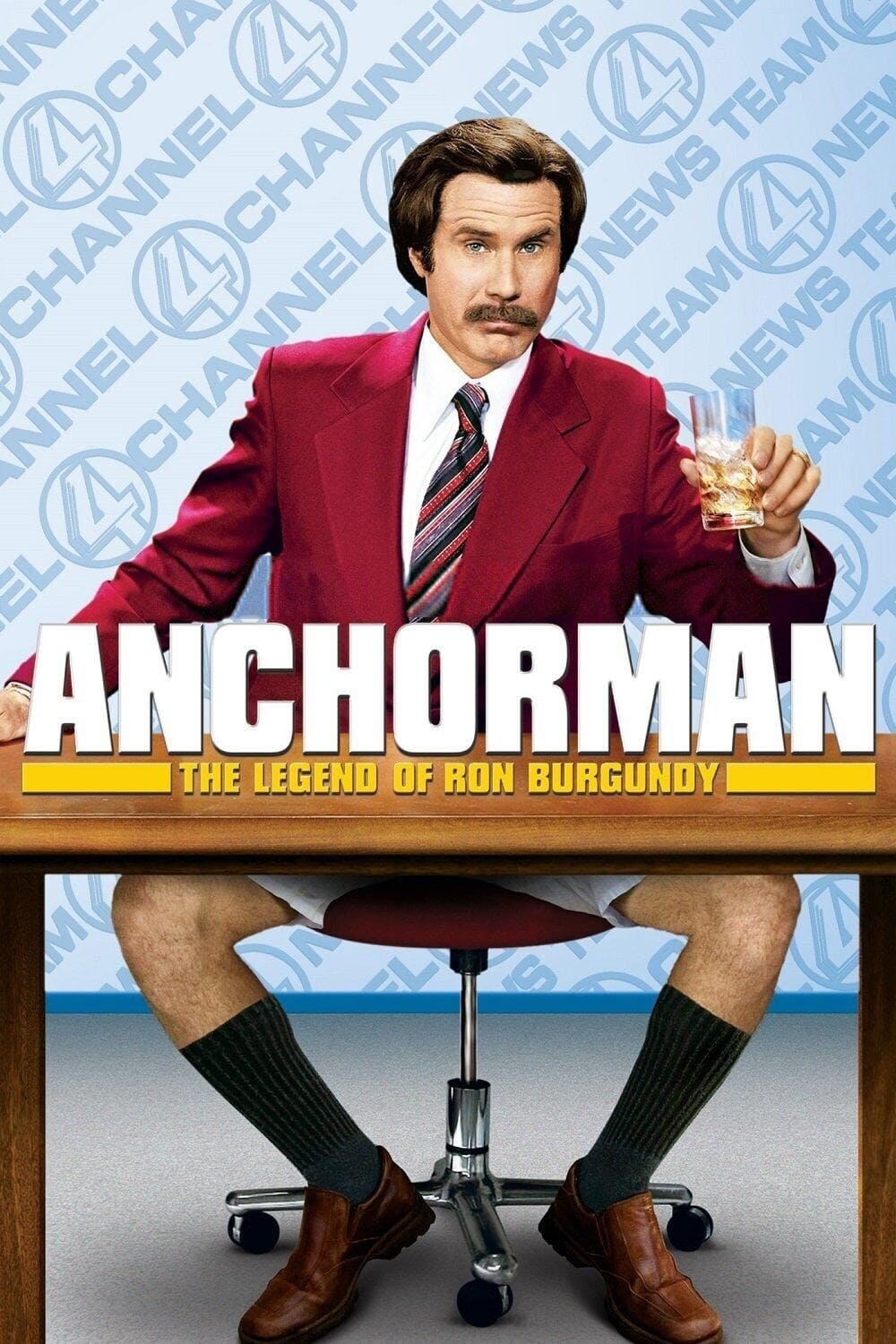
There is a specific era of comedy that prioritizes a "joke-per-minute" ratio over things like narrative structure or character growth. This is the crown jewel of that era. While critics were somewhat split when it first arrived—sitting at a 66% on Rotten Tomatoes—the massive 86% audience score tells the real story. This isn't a movie you watch for the plot; it’s a movie you memorize so you can exchange shorthand with friends for the next twenty years.
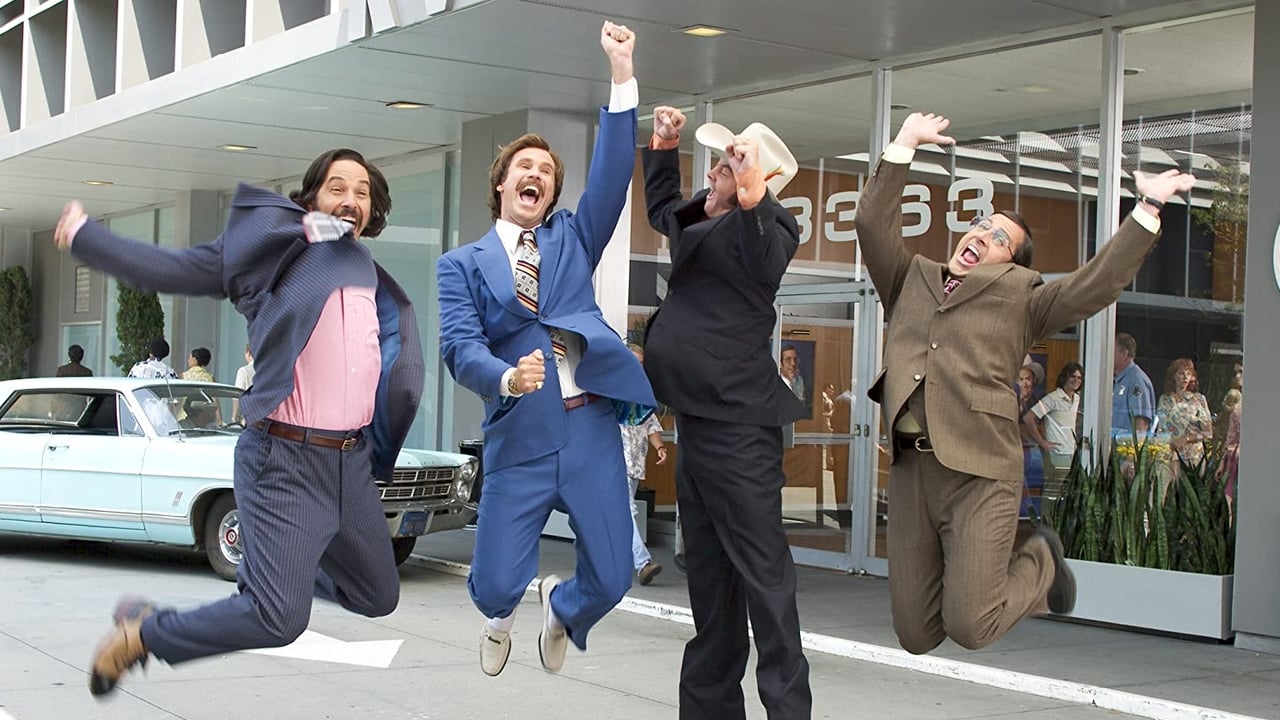
If your kid is transitioning out of animated features and into live-action comedies, this is a significant litmus test for their sense of humor. It relies heavily on improvisational energy. You can feel the actors trying to make each other crack on screen, which gives the whole thing a loose, chaotic vibe that feels more like a series of interconnected sketches than a traditional three-act film.
Satire vs. Stupidity
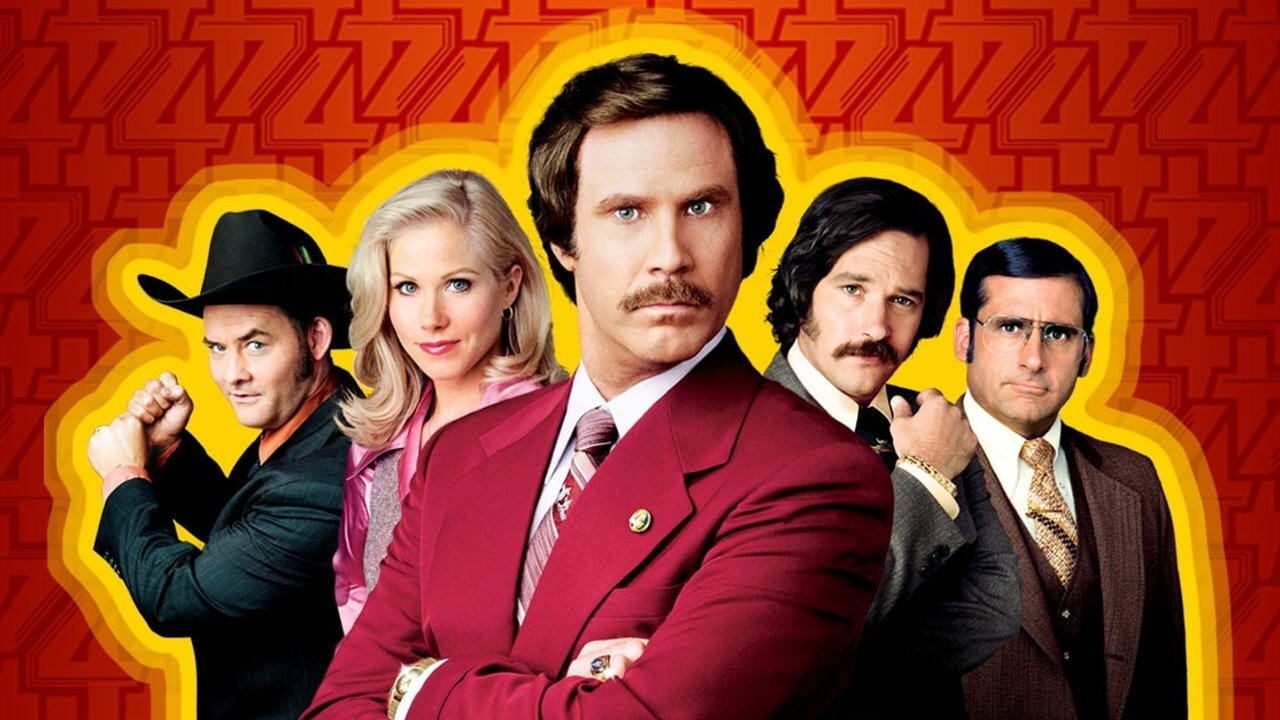
The biggest hurdle for a modern viewer is the "boys' club" atmosphere. The film is a direct parody of 1970s workplace misogyny, but it walks a thin line. It mocks the lead characters for being insecure, dim-witted chauvinists, but it also lets them be the lovable protagonists.
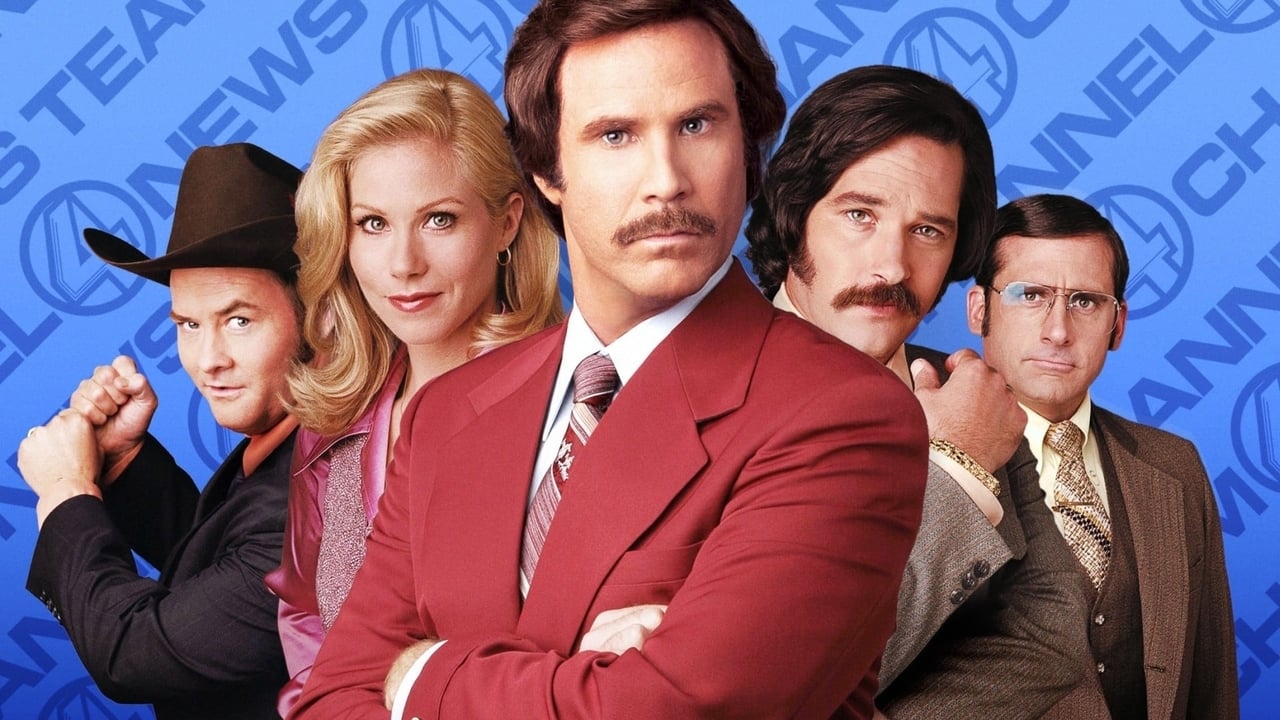
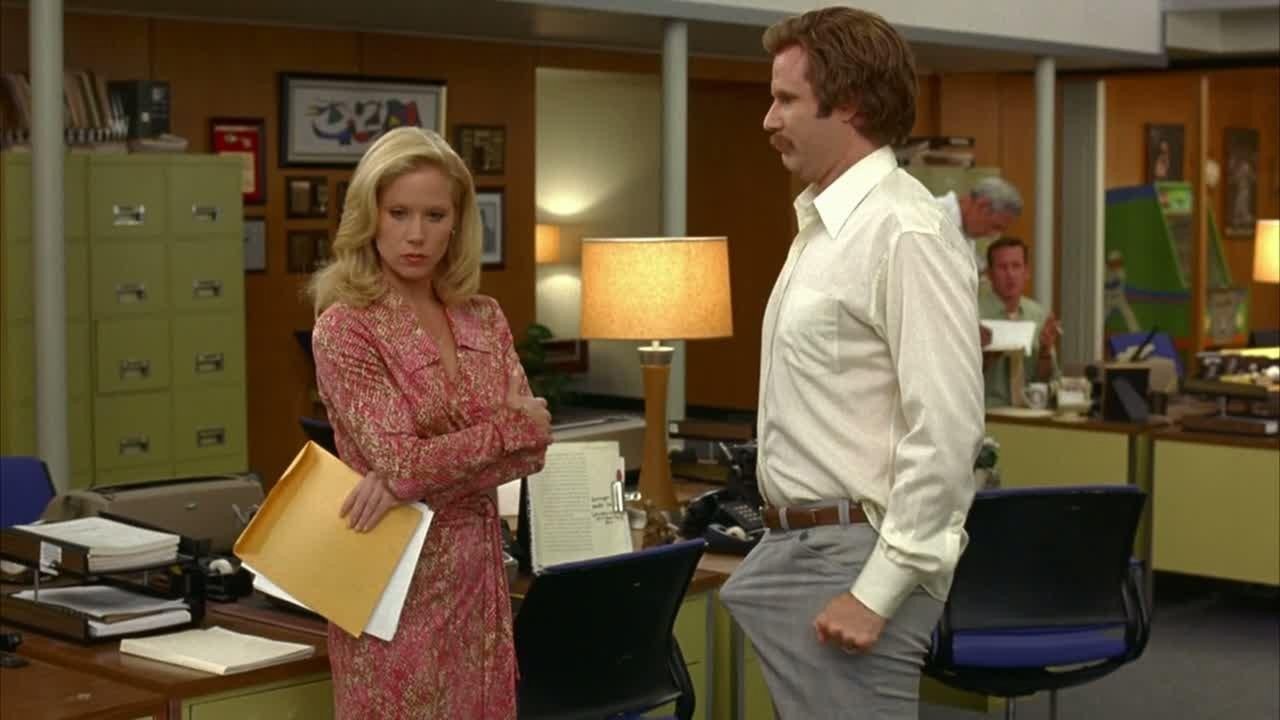
For a fourteen-year-old, the nuance of "satirical misogyny" can be a bit slippery. They might see the ridiculous behavior of the news team and think the movie is endorsing it rather than clowning on it. It’s worth checking in to see if they realize the joke is on the newsmen, not with them. The humor is frequently crude, leaning on sexual innuendo and "locker room" talk, but it’s rarely mean-spirited toward the female lead. She is consistently the only competent person in the room.
The "Battle" and the Absurdist Pivot
About halfway through, the movie takes a hard left turn into pure absurdism during a confrontation between rival news teams. It’s a sequence that involves unexpected weapons and a level of cartoonish violence that feels like it belongs in a different movie entirely.
This is the moment where the film either wins a viewer over or loses them. If your teen is already gravitating toward meta-humor or parodies that deconstruct specific genres—similar to how The Legend of Uh dismantles fantasy tropes—they’ll likely find this transition hilarious. If they prefer their comedies grounded in some semblance of reality, they’re going to find it baffling.
Why the Gap in Scores?
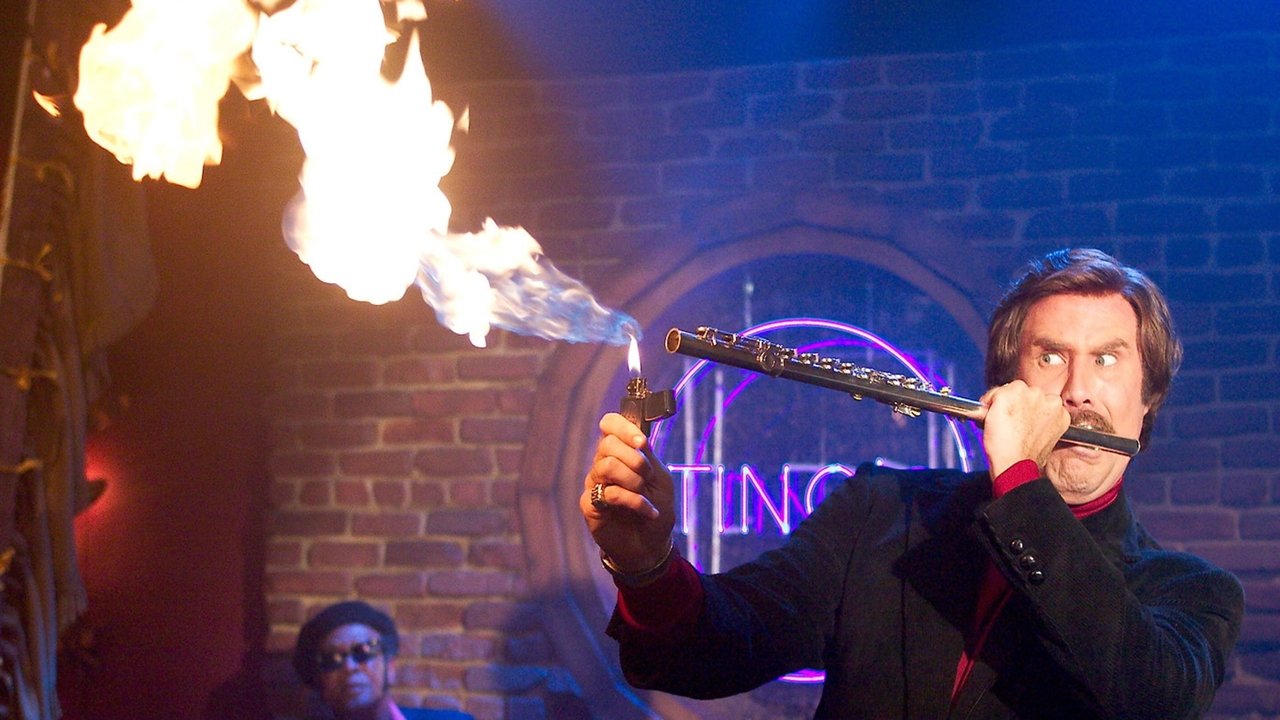
The discrepancy between the 63 Metacritic score and the enduring fan devotion comes down to "the hang." This is a "hangout movie." Critics in 2004 were looking for a tight script and clever social commentary on the media. They got some of that, but mostly they got a man in a polyester suit playing the jazz flute.
For a teen today, the appeal is the meme-ability. So much of modern internet culture is built on the DNA of this specific brand of humor—random outbursts, hyper-specific insults, and non-sequiturs. Watching it now is less about seeing a "new" movie and more about visiting the source code for half the jokes they see on social media. It's a foundational text for understanding the last two decades of American comedy.