The gateway drug for reluctant readers
The first thing you’ll notice about Tedd Arnold’s work is the eyes. Every character looks like they’ve just had three shots of espresso, which is exactly the energy a six-year-old brings to a book at 7:00 PM. While many early readers feel like sanitized homework, Fly Guy feels like a Saturday morning cartoon. It’s the perfect transition for kids who are moving away from being read to and toward that "I can do it myself" phase.
If you’re currently building a first grade reading list that actually excites young readers, this series is the heavy hitter. It works because it doesn't over-explain. The chapters are three pages long. The sentences are punchy. It gives a kid the immediate dopamine hit of finishing a "chapter book" in ten minutes, which is a massive confidence booster for a non-reader who wants to start.
Why the "gross" factor works
Parents sometimes recoil at the idea of a housefly as a protagonist. Flies are dirty; they eat trash. But kids love the minor subversion of it. Buzz (the boy) doesn't want a golden retriever; he wants a fly that can say his name. When Fly Guy does his "Zuzz!" flight patterns, he isn't just a bug; he’s a misunderstood hero.
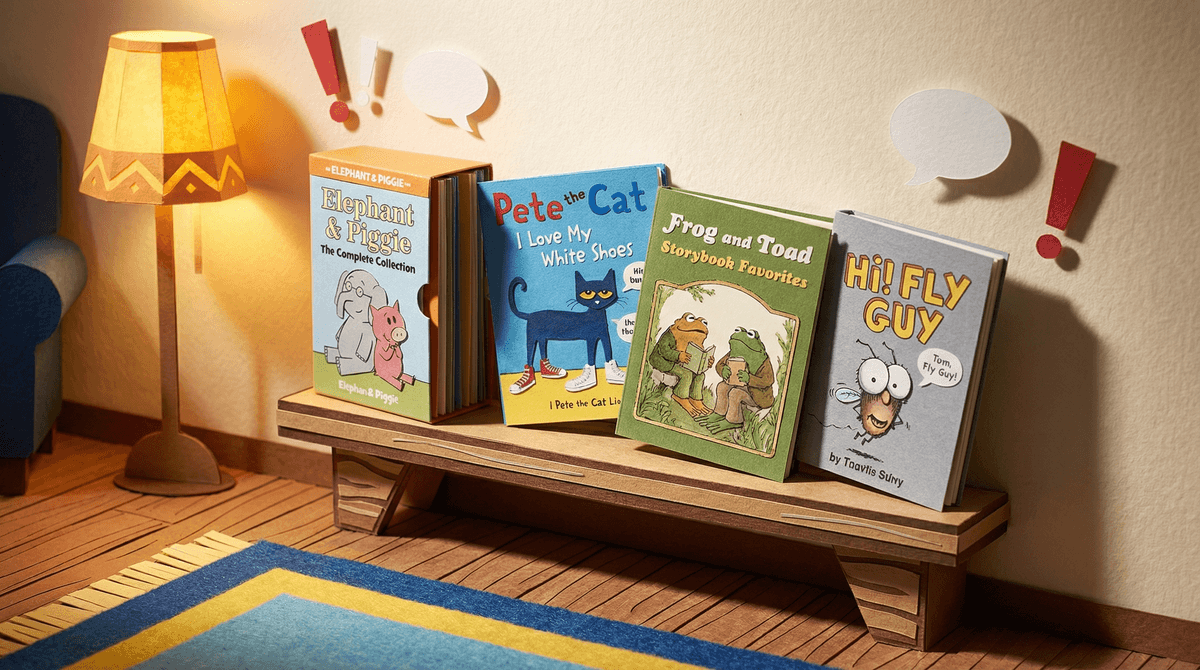
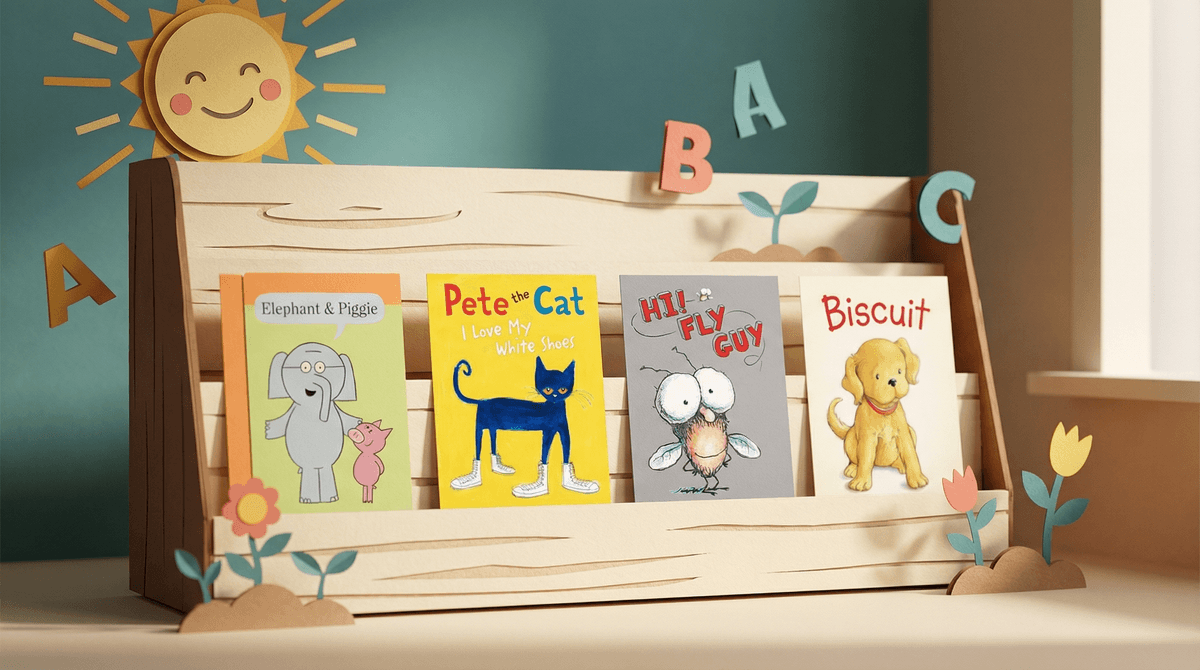
This series occupies a specific niche in the best early reader book series landscape. Where Elephant & Piggie is about emotional intelligence and minimalism, Fly Guy is about slapstick and absurdity. It’s the "gross-out" humor for the kindergarten set, but it’s handled with such a sweet, earnest core that it never feels actually icky. The conflict usually boils down to the adults being skeptical and the kid proving them wrong, which is the ultimate power fantasy for a seven-year-old.
The "Amazing Pet Show" litmus test
The first book centers on the Amazing Pet Show, and it’s the perfect example of the series' logic. The judges think a fly is a pest, not a pet. Fly Guy proves them wrong by doing tricks. It’s simple, it’s effective, and it sets the template for the next 15+ books.
If your kid finishes the first one and asks for more, just lean into it. There are dozens of these, including "Fly Guy Presents" non-fiction books that use the same characters to talk about sharks or space. It’s a low-friction way to keep a kid reading without making it a battle. You aren't looking for Shakespeare here; you're looking for fluency.
If your kid liked this, what's next?
Once they’ve burned through the Tedd Arnold catalog, you’re in a great position. They’ve mastered the "short chapter" format.
- If they liked the weird pet angle, look for other series that feature animals in human roles but keep the vocabulary simple.
- If they liked the visual humor, they’re likely ready for graphic novels for early readers.
- If they just liked that it was fast, you can start looking at more traditional book series for kindergartners that offer a bit more narrative meat while keeping the font size large.
Don't overthink the "educational" value. The value is that they aren't fighting you when you say it's time to read. That’s a win.