Brown Bear, Brown Bear, What Do You See?

Brown Bear, Brown Bear, What Do You See?

book

1967, Children's Books, Literature & Fiction

WISE
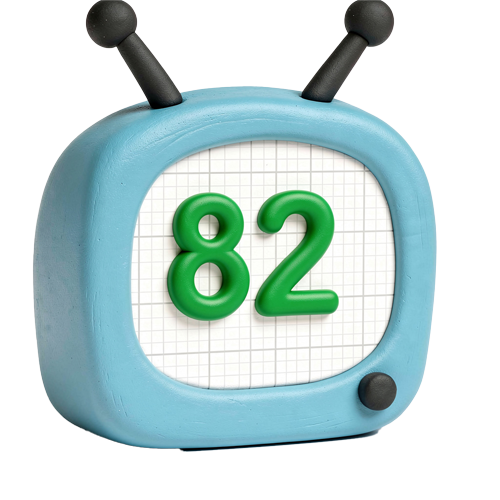
82%

WISE Score

The toddler literacy classic that's been teaching colors and animals through hypnotic repetition since 1967—now in 'big kid' reader format.

Where to Read

Our reviews and ratings are 100% unbiased, but as an Amazon Associate, Screenwise earns an affiliate fee if you buy a book or game by clicking one of our links. We don't get any credit if you just Google it instead :)

Screenwise Verdict

This is the book equivalent of training wheels—incredibly effective at what it does, but you're not keeping it around for the story.

Brown Bear is a literacy workhorse. The repetitive structure, predictable text, and bold illustrations make it ideal for toddlers learning words and early readers building confidence. Bill Martin Jr. knew exactly what he was doing: create a pattern so catchy that kids memorize it, then use that memorization to bridge into actual reading.

But let's be honest—there's no narrative here. It's a parade of animals looking at each other. That's it. Parents will get bored reading it aloud by the 47th time, and kids will outgrow it fast once they can handle real stories. It's a tool, not a treasure.

Still, as tools go, it's a good one. If you've got a toddler or pre-reader, this belongs on your shelf for a year or two. Just don't expect it to have staying power.

Age Fit

Perfect for ages 1-4 as a read-aloud and for ages 4-6 as an early independent reader. Once kids hit first grade and can read chapter books, this will feel babyish. It's a stepping stone, not a destination.

WISE Breakdown
Wholesome
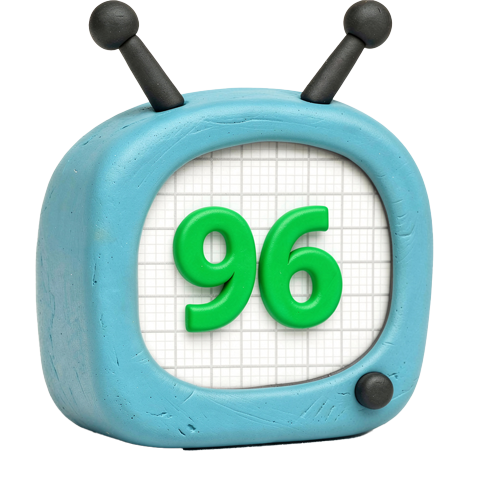
95

Gentle, rhythmic text with a calm, predictable structure. Features animals observing each other without conflict or tension. The repetitive 'What do you see?' format creates a soothing, safe emotional environment perfect for young children.

Imaginative
72

Eric Carle's bold, colorful illustrations are visually striking and memorable. The pattern invites kids to predict what comes next and encourages them to create their own 'What do you see?' sequences. However, the story itself is purely observational—there's no plot, problem-solving, or world-building beyond the animal parade.

Safe
100

Completely benign. No scary moments, no sad themes, no conflict whatsoever. Just animals looking at other animals. This is as safe as children's literature gets.

Enriching
78

Excellent for early literacy—teaches color recognition, animal names, rhyme, rhythm, and predictable text patterns that build reading confidence. The repetition helps with memory and language development. But it's purely educational scaffolding; there's no emotional depth, character development, or life lessons beyond vocabulary building.

Parent Info
✓

Why It Might Be Great

  • Rhythm and repetition make it perfect for early readers who need predictable text to build confidence
  • Eric Carle's bold collage illustrations are instantly recognizable and visually engaging
  • Teaches color recognition and animal names in a way that sticks—kids memorize this one fast
  • The call-and-response structure invites participation, making it great for read-alouds
  • 4.9 stars on Amazon from thousands of parents who've used it successfully
⚠

What to Watch For

  • It's extremely simple—once your kid can actually read, they'll outgrow it within months
  • Zero plot or character development; this is a vocabulary drill wrapped in pretty pictures
  • The 'beginning reader' format is really just the same book with bigger trim size and some activities tacked on

Conversation Starters

  • "What's your favorite animal in the book? What do you think it sees next?"
  • "Can we make our own version? 'Purple cat, purple cat, what do you see?'"
  • "Which colors do you see in your room right now? Let's name them like the book does."

Ask Anything

Get a personalized guide on any topic