The "Visual Crutch" that actually works
If your kid is currently treating a standard chapter book like a plate of cold broccoli, The Bad Guys is the pizza delivery that saves the night. Aaron Blabey essentially created a storyboard for a cartoon and called it a book. For a certain type of reader—the one who gets overwhelmed by "walls of text"—this format is a lifeline.
It’s part of a broader boom in graphic novels that has redefined what "reading" looks like for the iPad generation. Because the illustrations do the heavy lifting for the setting and the action, the text is free to focus entirely on dialogue and punchlines. This isn't just about making things easy; it’s about building the stamina required to eventually tackle a 300-page novel. When a kid finishes a whole book in one sitting, even one filled with drawings of sharks in dresses, they start to identify as a "reader." That psychological shift is worth the price of admission alone.
Navigating the "ick" factor
You’ll see some parents on review sites clutching their pearls over the "disgusting" nature of these books. Let’s be real: Mr. Snake spends a significant amount of time trying to eat his teammates, and the jokes about bodily functions are frequent. If your household vibe is more Little House on the Prairie and less Ren & Stimpy, this series will likely annoy you.
But there’s a logic to the gross-out humor. Blabey uses absurdity to lower the stakes. When Mr. Wolf tries to rescue 200 dogs from a pound, it’s not a gritty heist; it’s a chaotic mess involving a giant fan and a lot of screaming. This slapstick energy is exactly why it’s one of the best chapter book series for kids transitioning from picture books. It keeps the "boring" parts of narrative—like character growth and plot development—hidden inside a wrapper of pure silliness.
Why the anti-hero angle sticks
The central hook—scary animals trying to be "good"—is surprisingly effective for the 6-to-9-year-old demographic. Kids at this age are constantly being told to "be good" and follow rules they didn't make. Seeing a wolf and a shark struggle with the same social expectations is relatable in a way a perfect hero isn't.
It taps into the same fascination that makes anti-heroes so popular in modern media. Mr. Wolf is the eternal optimist trying to rebrand his crew, while Mr. Snake is the cynical voice of reason who just wants to be a villain. That tension creates actual character arcs that, while simple, give kids a framework for talking about reputation versus reality. They aren't just reading for the burp jokes; they're reading to see if the "scary" guy can actually win over the world.
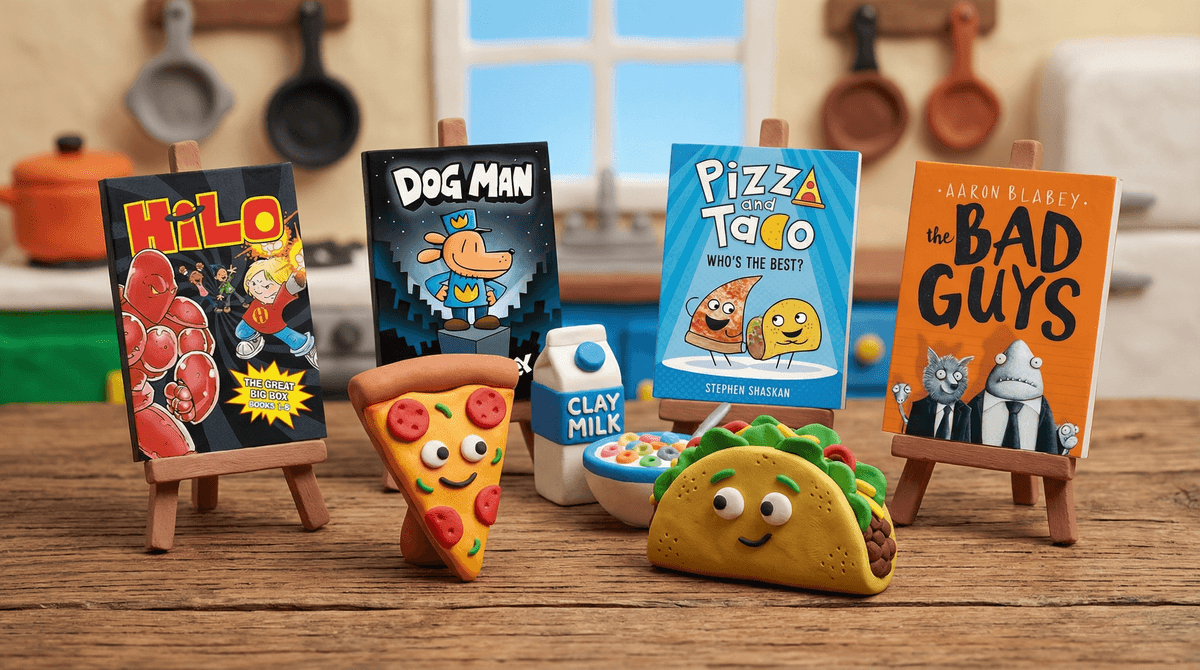
If you’ve already cycled through every Dog Man and Captain Underpants book in the house, this is the logical next step. It’s loud, it’s crude, and it’s undeniably effective at turning "I have to read" into "I want to read."