Harry Potter grows up alongside your kid — the trick is letting each book and film arrive at the right age. | Screenwise

A parent’s playbook

Harry Potter grows up alongside your kid — the trick is letting each book and film arrive at the right age.

Seven books, eight films, and one long staircase from gentle to genuinely dark. Here's the order to read and watch them in, which installment fits which age, and the Goblet of Fire turn where it stops being a kids' story.

WISE 89

The bottom line

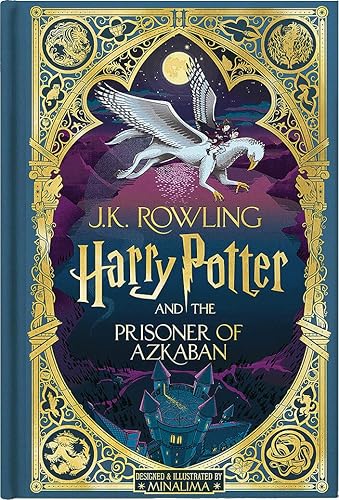
The book that made a generation of kids actually want to read—magic, friendship, and a hero who lives in a cupboard under the stairs.

This is the book that made millions of kids fall in love with reading, and it holds up remarkably well 25+ years later.

The magic system is detailed enough to feel real, the friendships are genuinely moving, and the mystery structure actually works.

Rowling plants clues throughout that make the ending satisfying rather than arbitrary.

The WISE scores are strong across the board.

It's imaginative in ways that have influenced an entire generation of children's literature.

It's enriching without being preachy—the themes of prejudice, courage, and love are woven into the plot rather than spelled out.

It models healthy friendship and standing up to bullies.

The safety score takes a hit for some genuinely scary content.

The Voldemort reveal is nightmare fuel, the Dursleys' abuse is emotionally heavy, and the climax involves an 11-year-old facing a murderer alone.

Most 8-year-olds handle it fine, but this isn't a 'hand it to any kid' book.

Know your child's sensitivity level.

The real magic here is that it's actually entertaining.

Too many 'quality' kids books are boring slogs that adults love and kids tolerate.

This one?

Kids actually want to read it.

They stay up past bedtime with flashlights.

They reread it multiple times.

That's worth a lot.

If your kid is 8+ and ready for some mild scares and emotional complexity, this is a no-brainer.

Just be ready to buy the whole series, because they're not stopping at book one.

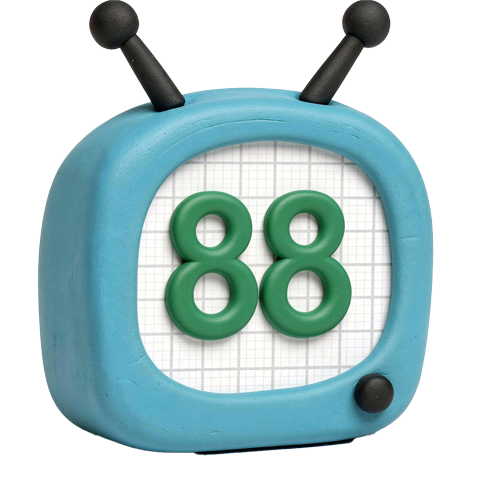
Wholesome

82/100

Models strong friendship, loyalty, and standing up to bullies. Harry, Ron, and Hermione's developing friendship shows cooperation and mutual support. The Dursleys' cruelty is clearly framed as wrong, and kindness wins. Some intense moments (facing Voldemort, the troll scene) but handled with age-appropriate pacing. The found-family theme is emotionally healthy for kids dealing with feeling different or left out.

Imaginative

98/100

Absolutely groundbreaking world-building that sparked a generation's imagination. The magic system, Hogwarts houses, Quidditch, spell names, magical creatures—it's all deeply detailed and invites endless creative play. Kids have been sorting themselves into houses and inventing their own spells for 25+ years. The mystery structure encourages deductive thinking. This is the gold standard for imaginative literature that makes kids want to read, write, and create.

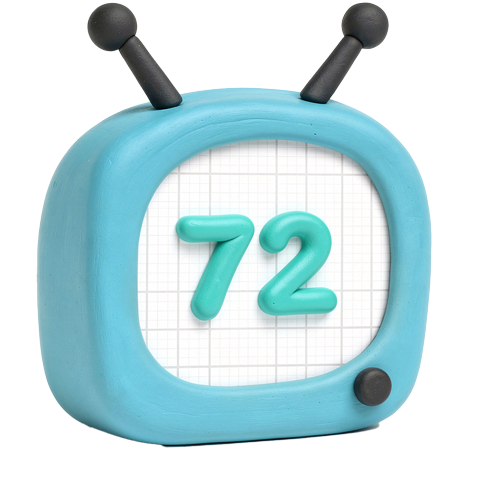
Safe

75/100

Generally safe for the target age (8-10+), but has some genuinely scary moments: Voldemort's face on the back of Quirrell's head, the three-headed dog, the troll attack, Harry's abuse by the Dursleys. Common Sense Media and parent reviews note these scenes can frighten younger or sensitive readers. No gore, sex, or profanity. The scariest content is clearly telegraphed as dark magic/villains, not gratuitous. Most 8-year-olds handle it fine, but it's not a 'pick up and read anything goes' book for a 6-year-old.

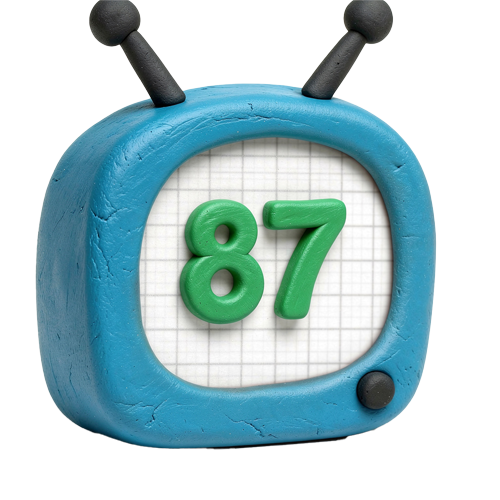
Enriching

88/100

Tackles themes of prejudice (pure-blood vs. Muggle-born), courage in the face of fear, the power of love and sacrifice, and choosing right over easy. Harry's moral choices—returning the Remembrall, standing up to Malfoy, risking himself for the Stone—model ethical reasoning. The mystery structure builds critical thinking. Vocabulary and reading stamina benefits are real. It's genuinely entertaining while teaching empathy and resilience. The 'your choices matter more than your abilities' message is powerful.


Is Harry Potter right for your kid specifically?


Harry Potter is seven books and eight films following a boy wizard from his first year at Hogwarts to a final war against the dark wizard Voldemort. It's a genuine landmark — we score the first book Imaginative 98, and the series as a whole is one of the great on-ramps to lifelong reading. The thing parents miss is that it isn't a single age rating. It's a staircase, and it climbs the whole way up.

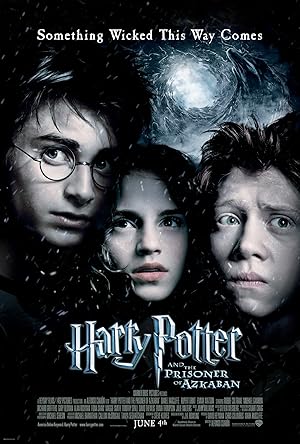
The series tracks Harry aging from 11 to 17, and the tone climbs right along with him — in both the books and the films. The Sorcerer's Stone and Chamber of Secrets are wondrous kids' adventures. Prisoner of Azkaban turns moodier and introduces the dementors — genuinely frightening, despair-coded creatures. Then Goblet of Fire is the hinge: a likable teenage character is killed, Voldemort returns, and the wonder gives way to real dread. The films carry a PG-13 from that point on, and everything after is, in spirit, a war story with teenagers in it.

So the real question isn't "is Harry Potter OK for kids" — it's which Harry Potter, in what order, at what age. The order itself is easy: read and watch in publication order, which is also chronological — Sorcerer's Stone first, straight through to Deathly Hallows. The pacing is where the judgment comes in. The time-tested approach is to start a kid around 7 or 8 and move through the series at roughly one a year, so the darkness arrives exactly as they grow into it. The thing to avoid is handing a 7-year-old all seven books or eight films to devour in a month; the back half wasn't built for them yet.

The books-versus-films choice is real, and the happiest answer for most families is both, in order: read each book together first, then watch the matching film as the reward. Reading first has a genuine safety valve — a kid who gets spooked can close the book and come back tomorrow, and the scares stay at the gentler speed of their own imagination. The films are more visceral: the basilisk, the dementors, and the graveyard are simply scarier on screen than on the page, so the film of a given year often suits a slightly older kid than the book of the same year.

And when Hogwarts finally runs out, the magic doesn't have to. Percy Jackson, The Chronicles of Narnia, and The Spiderwick Chronicles are the natural next worlds for a reader who isn't ready to leave this one.
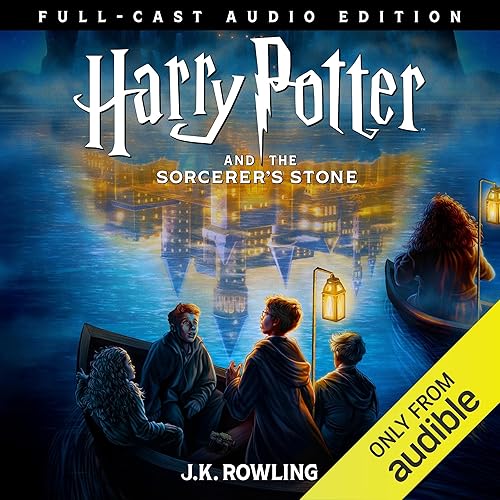

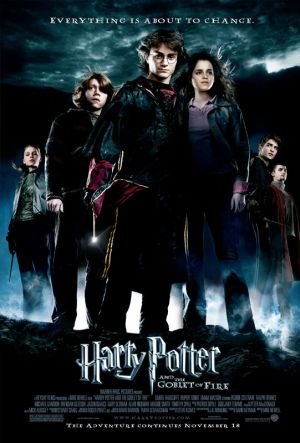
The real watch-out: Goblet of Fire is where it stops being a kids' story.

If you remember Harry Potter as gentle, you're remembering the first two years. The series takes a hard turn at the fourth book and film, Goblet of Fire — the film carries a PG-13 for a reason. A sympathetic teenage character is murdered, Voldemort returns in a frightening graveyard sequence, and the wonder gives way to real dread. Plan to treat the early installments and the later ones as separate readiness calls, in both formats, rather than green-lighting all seven years at once.

The dementors deserve their own mention. Introduced in year three, they're soul-draining creatures explicitly modeled on depression, and they're frightening in a way that sticks with sensitive kids — less jump-scare, more creeping dread. For some children they're the scariest thing in the whole series, more than Voldemort himself.

The finale is wartime. The last three books and their films feature character deaths that land hard, torture, and a sustained sense of loss and danger. They're terrific, and they're for older kids — somewhere around 11–12 and up, matched to the individual kid.

The binge trap is the most common misstep. Because the first book is so accessible, it's easy to let a young reader race straight through the series or a young viewer marathon all eight films. Pace it instead — about one a year, book then film — so the tone always sits a step ahead of the kid rather than far beyond them.


Read the book, watch the film, one year at a time — in publication order.

The Sorcerer's Stone — book first, film as the reward

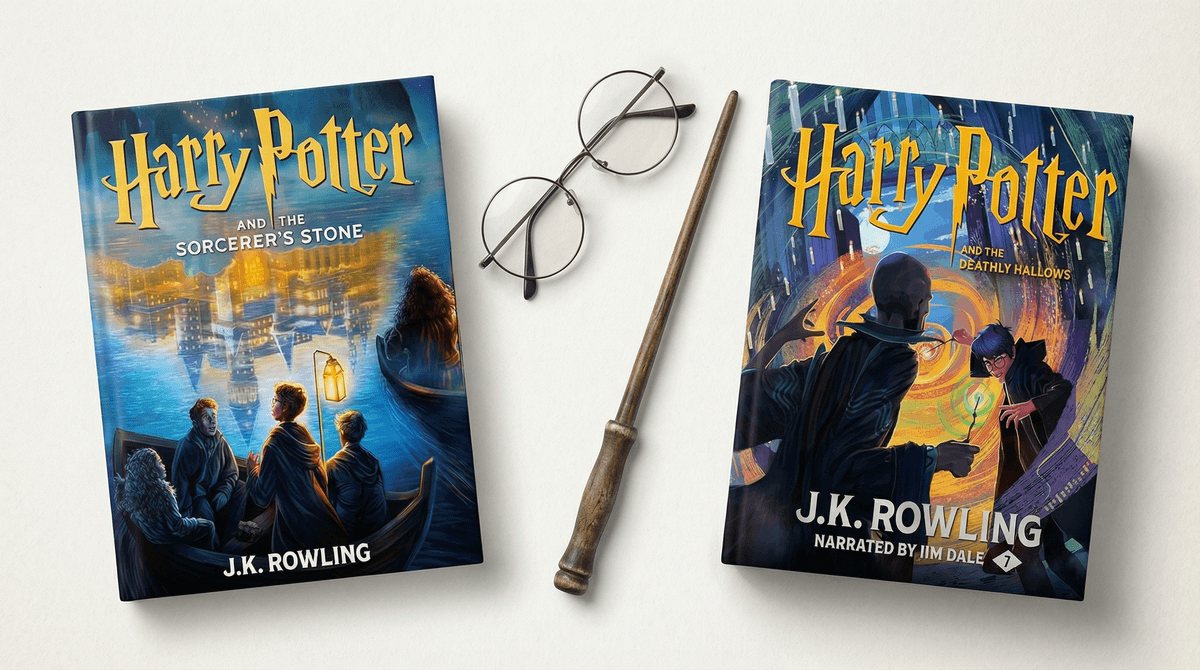
The gentlest entry, and the right one for most 7- and 8-year-olds. Reading the first book together, then watching the film, is the ideal rhythm: the book lets a kid set the pace, and the movie becomes the celebration when they finish it.

Platform
Book (Scholastic) → film (PG) · start with the book
Best way in
Read chapters aloud together, then watch the film once the book is done.
More →

Go in publication order — it's also chronological

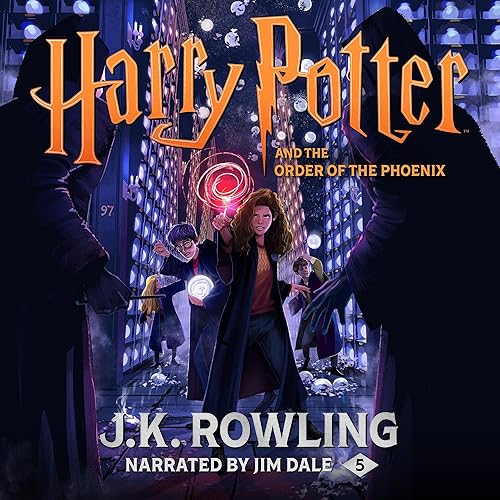
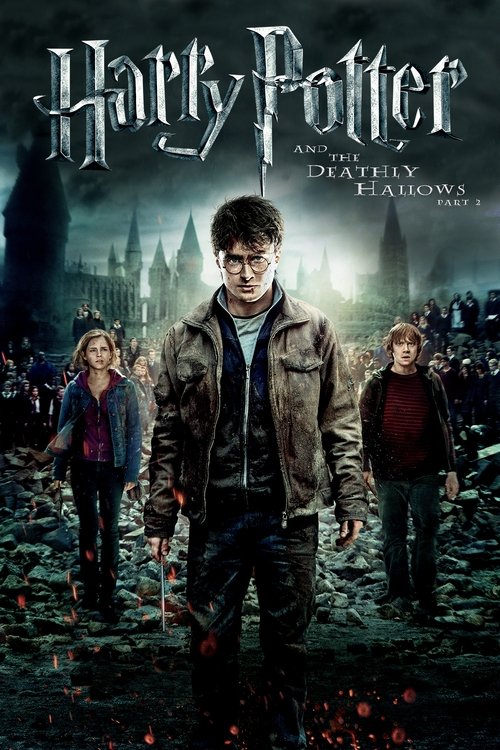
There's no clever alternate order to puzzle over: Sorcerer's Stone, Chamber of Secrets, Prisoner of Azkaban, Goblet of Fire, Order of the Phoenix, Half-Blood Prince, Deathly Hallows (one book, two films). The rising intensity is a feature — it's what lets the series grow up alongside your kid.

Platform
Seven books · eight films (Deathly Hallows is split in two)
Best way in
One installment a year is the classic pace. Book first, film second, each year.

The Goblet of Fire gut-check

Year four is the hinge: the film jumps to PG-13, a character dies, and Voldemort returns. It's the natural place to pause for a younger or more sensitive kid — finish the gentler years, then come back for the war years when they're a bit older. The book is a touch gentler than the film here, if you want a middle step.

Platform
Book (still upper-middle-grade) vs film (PG-13)
Best way in
Treat years 1–3 and 4–7 as two separate readiness decisions.

After they read.

A few things worth asking when they finish a chapter:

  • Which Hogwarts house do you think you'd be sorted into, and why that one?
  • The dementors make you feel your worst memories. What would your Patronus be?
  • Harry, Ron, and Hermione are good at totally different things. Which of them are you most like?
  • Some of that got pretty dark — how are you feeling about it? We can slow down anytime.
  • Was the book or the movie better for that one? What did the book have that the film left out?

Years 1–2 · Ages 7–9

Start here — the gentle years.

Pure Hogwarts wonder at the lowest stakes, in both formats. Read each book together, then watch the film as the reward — a three-headed dog and a giant snake are about as scary as it gets.

Browse all rated media

Years 3–4 · Ages 9–11

Where the tone turns.

The dementors arrive (year three), then Goblet of Fire is the PG-13 hinge (year four) — a character death and real stakes. The book runs a touch gentler than the film at each step.

Browse all rated media

Years 5–7 · Ages 11+

The war years.

Loss, fear, and the final fight against Voldemort, ending with Deathly Hallows (one book, two films). The best of the series and the most intense — for an older kid who's traveled the whole way.

Browse all rated media


The extended universe.

Featured Media

What other families are actually doing.

The next time your kid says “but everyone” about a phone, a TikTok account, or a new app — here’s the actual data by grade.

What kids are watching, by grade

Sign in to personalize this guide with data from families in your school, city, and community

Average Screen Time by Grade (Hours/Day)

Weekday Hours
Weekend Hours
Average

TV Access by Grade

No TV
Has TV

FAQ.

Real questions parents actually ask about Harry Potter


Want recs for your kid specifically?

Take the 5-minute Screenwise family survey. We’ll use it to surface the shows, games, and books that actually fit your kid — not just the generic top 10.

Take the 90-second Gut Check