The "creature feature" sequel
If the first book was a warm welcome to a magical world, Chamber of Secrets is where the world starts pushing back. It’s often dismissed as a bridge between the whimsey of the origin story and the grit of the later books, but that’s a mistake. This is a classic mystery disguised as a fantasy novel.
The structure is tight: clues are dropped early, the red herrings (looking at you, Gilderoy Lockhart) are genuinely funny, and the payoff in the final chapters is a legitimate thriller. For a kid who loved the first book, the draw here isn't just more magic—it’s the "who-is-doing-this" hook. Just be aware that the "creature" part of this feature is intense. Between the giant spiders in the forest and the literal monster in the walls, it’s a big jump in intensity from the troll-in-the-dungeon vibes of year one.
The Jim Dale factor
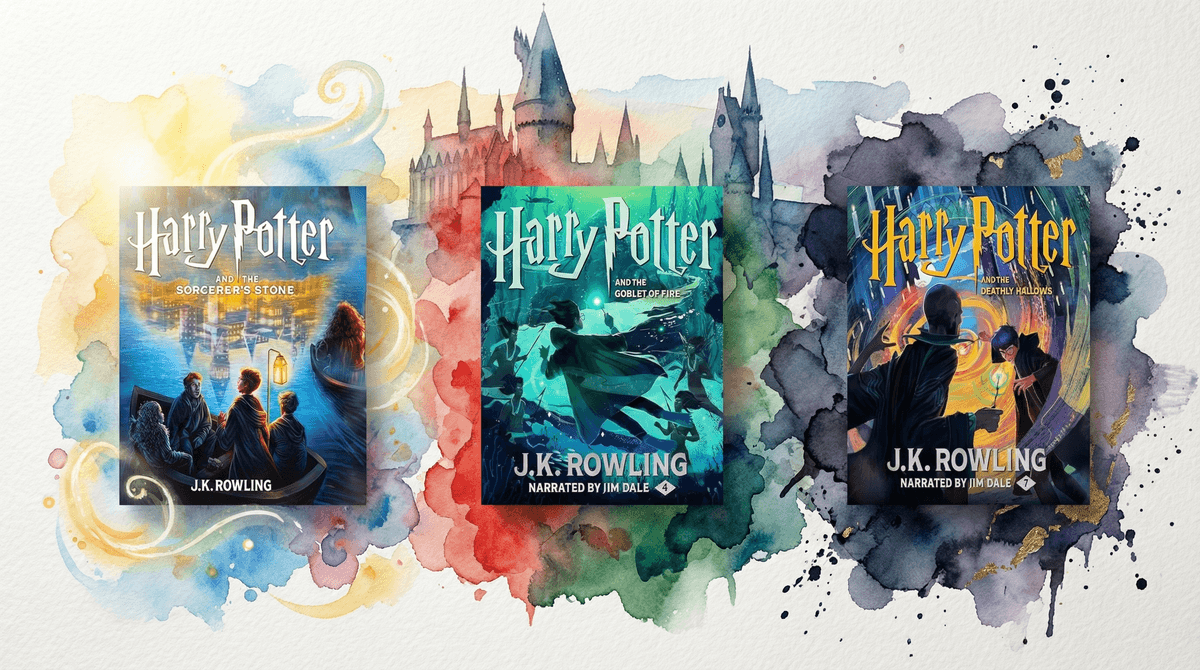
If you’re deciding between reading the physical book or the audio version, the Jim Dale performance is the gold standard. There's a reason it's a Grammy winner. He doesn't just read the story; he performs a cast of hundreds, giving each character a distinct, recognizable personality that makes the dialogue pop.
For many families, Harry Potter audiobooks are the ultimate hack for long car rides or the "I'm too tired to read aloud" bedtime slump. Dale’s narration captures the "theatrical" energy mentioned in the synopsis, making the ghost party and Lockhart’s vanity feel much more vivid than they do on the silent page. It’s an easy way to keep a kid engaged who might find the middle-of-the-book pacing a little slow.
A safe space for hard talks
This is the book where the series stops being purely about magic and starts being about society. The introduction of the "Mudblood" slur is a heavy moment, but it’s arguably the most useful part of the book for a parent. It provides a concrete, fictional framework to talk to kids about prejudice without it feeling like a lecture.
The "blood status" drama at Hogwarts is a direct parallel to real-world discrimination, and because your kid is already rooting for Hermione, they feel the unfairness of it personally. It’s a rare case where the "moral lesson" doesn't feel forced or corny—it’s baked into the plot.
Knowing when to pause
While this book is a blast, it marks the beginning of the series’ descent into darker territory. If your kid is on the younger side (6 or 7) and found the basilisk scenes or the petrified students a bit much, you might want to linger here for a while. There is a definite darkness cliff between this and the next installment. Chamber of Secrets is the last time the series feels truly like "children's literature" before it transitions into the psychological weight of the later years. Enjoy the flying cars and the Mandrakes while they’re still relatively light—the Dementors are waiting around the corner.