

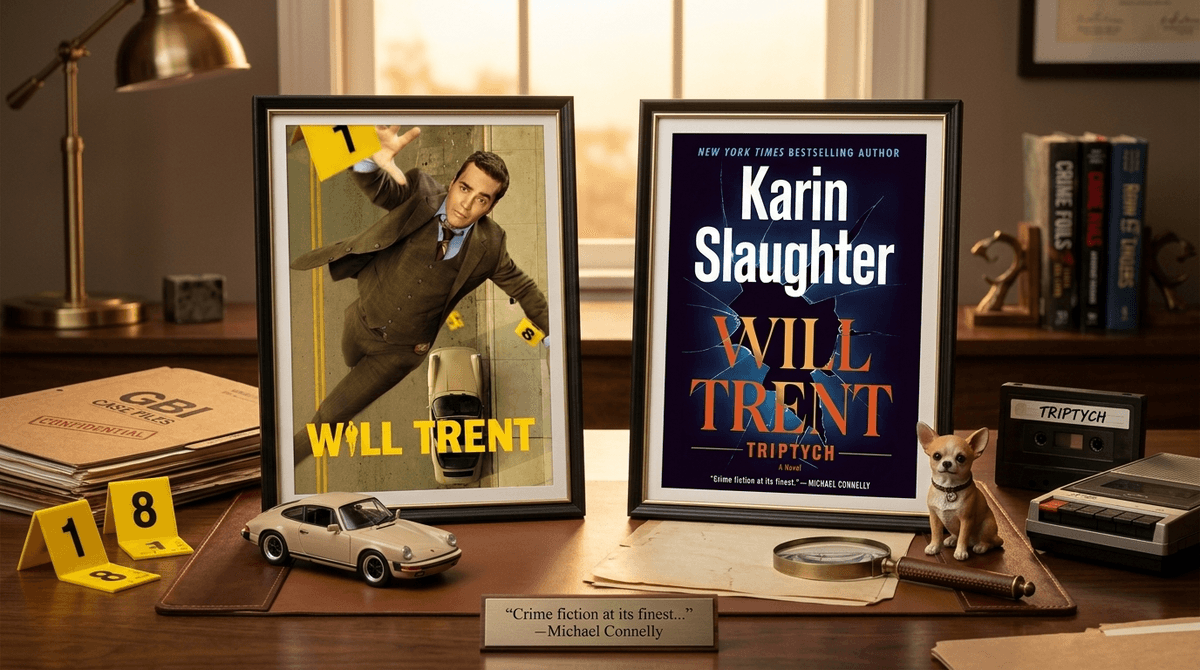
TL;DR: Will Trent is a top-tier detective procedural that’s a massive step up from "brain rot" TV. It’s rated TV-14 for a reason—it’s gritty, deals with heavy themes like the foster care system and trauma, and doesn't shy away from crime scene visuals. However, for parents of older teens (15+), it’s one of the best shows on TV for discussing learning differences, resilience, and the "why" behind human behavior.
Quick Links:
If you’ve been scrolling through Hulu or Disney+ lately, you’ve probably seen the yellow-tinted posters of a guy in a three-piece suit looking very serious in the Georgia heat. That’s Will Trent.
Based on the massive book series by Karin Slaughter, the show follows Special Agent Will Trent of the Georgia Bureau of Investigation (GBI). Will grew up in the overwhelmed Atlanta foster care system, which left him with both physical and emotional scars. He also has severe dyslexia, which he spent years hiding.
In a sea of procedurals that feel like they were written by AI, Will Trent has a soul. It’s not just about "who did it"; it’s about how the "who" became the person they are. For intentional parents, this is the "sweet spot" show—it’s entertaining enough to keep a 16-year-old off TikTok for 42 minutes, but substantive enough to actually talk about afterward.
We’re seeing a significant trend in Screenwise community data: while younger teens are still deeply embedded in Roblox and YouTube, there is a "procedural pivot" that happens around 10th grade. Older teens start gravitating toward "competence porn"—shows where people are exceptionally good at a difficult job.
Will Trent fits this perfectly. He’s a "misfit genius" in the vein of Sherlock Holmes or Columbo, but with a much more modern, vulnerable edge. Plus, there’s Betty. Betty is a Chihuahua that Will "accidentally" adopts in the pilot, and she is arguably the most popular character on the show. If your kid is an animal lover, Betty is the hook.
Learn more about why teens are obsessed with 'competence' shows
This is where Will Trent separates itself from the pack.
Will Trent is profoundly dyslexic. The show does a fantastic job of showing—not just telling—how he navigates a world built on written information. He uses voice recorders, he looks for visual patterns, and he deals with the lingering shame of being told he was "slow" as a kid. For families dealing with learning differences, this is a powerful, non-preachy way to see a "superpower" narrative that feels grounded in reality.
The Foster Care System
The show doesn't sugarcoat the trauma of the foster care system. Will and his on-again-off-again partner/friend Angie Polaski both grew up in the same system, and their shared history is messy. It handles the concept of "found family" with a lot of nuance, showing that while you can’t change your past, you can choose who you let into your present.
While the rating is TV-14, this is a "hard" 14. If your family is used to the relatively sanitized violence of The Rookie or Magnum P.I., Will Trent might feel like a bit of a shock.
- Violence: It’s a crime show. You’re going to see bodies, blood, and some fairly intense crime scenes. It’s not Criminal Minds level of "trauma-inducing," but it’s more visceral than your average network sitcom.
- Language: Typical for modern TV-14. Some "hells" and "damns," and the occasional more colorful Georgia-flavored insult.
- Sexual Content: There are adult relationships. Usually, it’s more about the emotional complexity than graphic scenes, but there is definitely some "morning after" chemistry.
- Trauma Triggers: This is the big one. The show deals with child abandonment, kidnapping, and systemic abuse. If those are sensitive topics in your house, you’ll want to pre-watch or skip certain episodes.
Let’s be real: some procedurals are just background noise. Will Trent is not that. If you’re looking for something to watch with your older teen, this is a winner. If you’re looking for something to let your 12-year-old binge-watch alone while you’re making dinner? Probably not the one.
The show assumes a level of emotional maturity. It asks the viewer to empathize with people who have made terrible mistakes. It also features a very diverse cast and explores themes of race and class in the South without feeling like it’s checking boxes for a corporate diversity memo. It feels authentic to Atlanta.
If your family has already binged everything Will and Betty have to offer, here are a few other items to check out that hit similar notes:
If you like the "brilliant but broken" detective trope, this is the gold standard. It features a modern-day Sherlock in NYC and focuses heavily on his recovery from addiction. It’s smart, respectful, and great for teens.
For a slightly more cynical, British take on the "misfit investigator," this show is incredible. It’s about a department of MI5 rejects. It’s funny, gritty, and very well-written.
If you like the "Southern/West Coast Noir" vibe and the idea of a professional who works out of his car (or his suit), this Netflix hit is a great companion piece.
For a slightly lighter (but still TV-14) take on the "human lie detector" concept, Natasha Lyonne is brilliant in this "case of the week" series.
If you do watch this with your kids, here are three non-cringe conversation starters:
- "Will’s dyslexia is basically his secret weapon because it forces him to see things differently. Do you think the 'normal' way of doing things at school ever gets in the way of actually learning?"
- "The show talks a lot about how Will and Angie’s childhoods affected them. How much do you think someone’s past should excuse their behavior as an adult?"
- "Why do you think Will wears that three-piece suit every single day, even when it’s 90 degrees in Atlanta?" (Hint: It’s his armor. It’s a great way to talk about how we use clothes or 'vibes' to protect ourselves).
Will Trent is a "Yes" for parents of high schoolers who are ready for more mature storytelling. It’s a "Wait" for middle schoolers, mostly due to the intensity of the crime scenes and the heavy emotional baggage of the characters.
It’s a rare show that treats its audience like they have a brain, and in 2026, that’s something worth supporting. Just be prepared for your kid to start asking for a Chihuahua.
Next Steps:
- Check out the Will Trent Media Page for specific episode triggers.
- See how other parents in the Screenwise community are rating the show's violence levels.
- Start a Screenwise survey to see if your teen is ready for TV-14 content