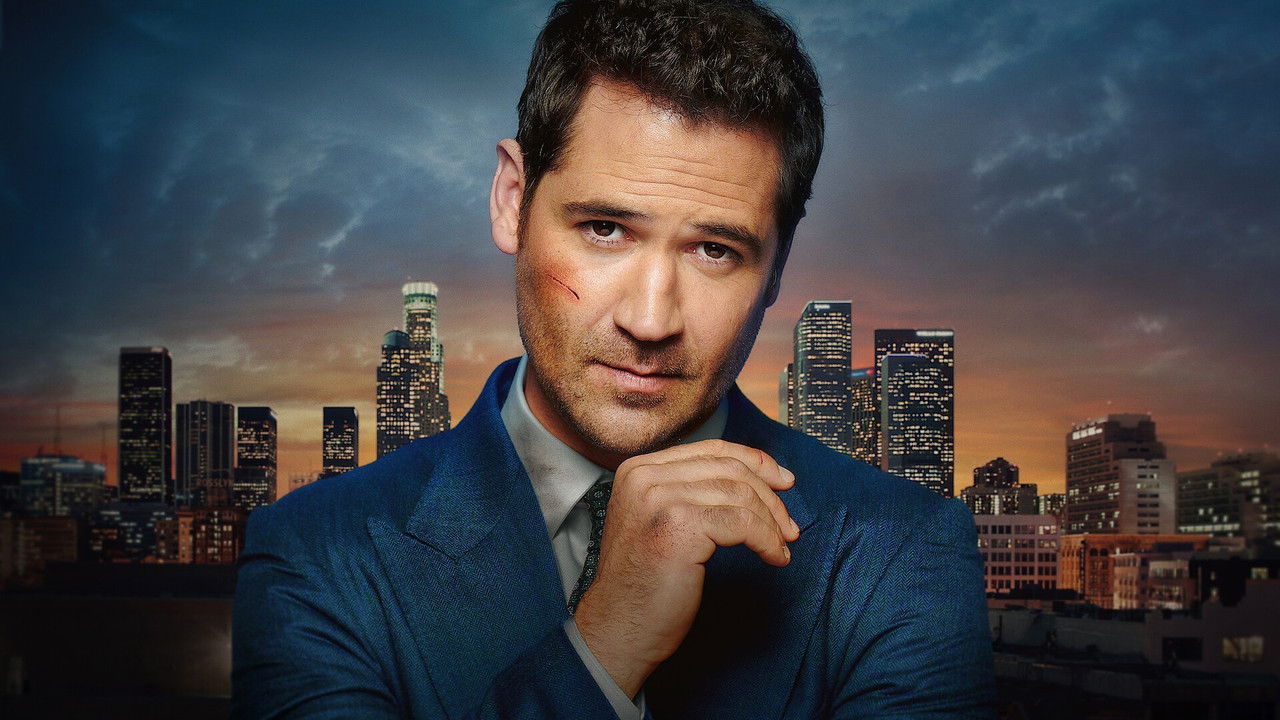
The Lincoln Lawyer is essentially a heist movie where the vault is a courtroom and the tools are legal loopholes. It is the ultimate version of competence porn—there is something deeply satisfying about watching a professional who is so good at their job they can run a multi-million dollar practice out of the back of a vintage sedan while stuck in 405 traffic. It avoids the stuffy, wood-paneled boredom of traditional legal dramas by keeping the camera moving and the stakes personal.
The "Cool Factor" vs. The Reality
While the show leans into the "cool lawyer" trope, it’s anchored by a lead character who isn't a superhero. He’s a guy trying to rebuild a life that fell apart. This makes the show a surprisingly good fit for teens who are starting to move past clear-cut heroes and villains. Mickey Haller operates in a moral gray area where "winning" isn't always the same thing as "being the good guy."
If your teen is used to the fast-paced, glossy style of modern streaming dramas but wants something with more intellectual meat, this hits the spot. It rewards you for paying attention to the details of a case rather than just waiting for the next explosion. However, the "adult" feel comes with adult vocabulary. If you're on the fence about the maturity level, our Lincoln Lawyer Parents Guide: Why It's Rated TV-MA breaks down exactly where those F-bombs and legal complexities land.
A Realistic Look at the Grind
One of the best things about the series is how it handles addiction. It isn't treated as a "very special episode" plot point or a tragic flaw used for cheap drama. Instead, it’s a part of the character’s daily logistics. He has to manage his sobriety the same way he manages his court calendar. For parents, this provides a grounded way to talk about recovery without the show feeling like a lecture.
Critics on Rotten Tomatoes have given the show a high 92%, though the Metacritic score of 63 suggests that some reviewers find the "slick lawyer" genre a bit familiar. But for an audience looking for a smart, serialized mystery, that familiarity is a feature, not a bug. It’s comfortable but clever.
Tonal Shifts in Later Seasons
As the series progresses, the tone shifts from "clever lawyer outsmarts the system" to something much more dangerous. The stakes move from winning cases to literal survival. By the time the story hits the later arcs, the "fun" legal puzzles are replaced by much heavier themes, including moments of significant violence and emotional trauma.
If you have a younger teen who handled the first season well, you might still want to pause before moving forward. The show grows up alongside its characters, and the intensity follows suit. For a deeper look at how the show evolves, check out our Lincoln Lawyer Season 4 Parents Guide: Is it OK for Teens? to see if the escalating stakes still fit your household's comfort zone.