

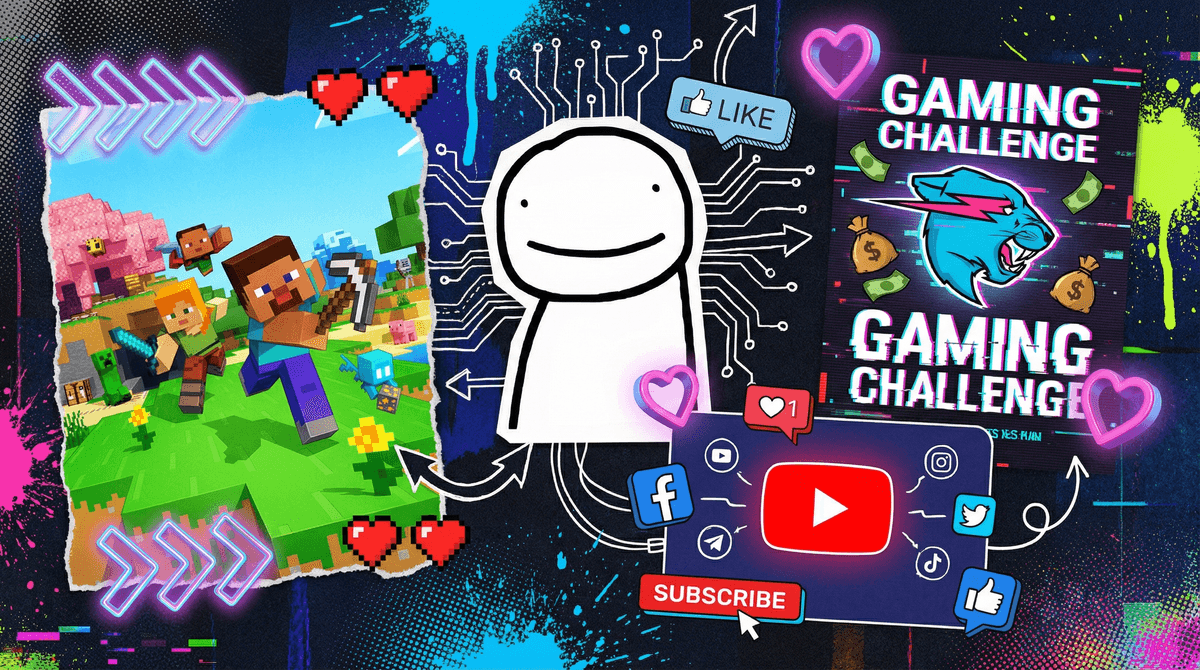
Your teen is watching someone else play video games. For hours. And you're standing there thinking, "Why don't you just... play the game yourself?"
Welcome to one of the most baffling aspects of modern digital life for parents: gaming videos. These are YouTube videos, Twitch streams, and TikTok clips where people play video games while providing commentary, reactions, or just vibing. We're talking about Let's Plays (full game walkthroughs with commentary), speedruns (completing games as fast as possible), reaction videos, tutorial content, esports tournaments, and everything in between.
The numbers are wild. Gaming content is consistently among the most-watched categories on YouTube. Creators like MrBeast Gaming, Jelly, and Dream have tens of millions of subscribers. Your teen isn't alone in this—they're part of a massive global audience that finds watching gaming just as entertaining as playing.
Here's the thing: it's not just about the games. That's what we miss as parents. When teens watch gaming videos, they're getting a lot more than gameplay footage.
It's entertainment, first and foremost. Good gaming creators are performers. They're funny, they're skilled, they have personalities that connect with viewers. Think of it like watching sports—you could go shoot hoops in your driveway, but you still watch the NBA because professionals do it at a different level and make it exciting. Same deal here.
It's a learning tool. Before your kid drops their birthday money on a new game, they're watching videos to see if it's actually worth it. They're learning strategies, discovering hidden features, and figuring out how to beat that impossible boss. Gaming videos are basically interactive reviews and tutorials combined. It's actually pretty smart consumer behavior.
It's social currency. When everyone at school is talking about the latest Minecraft challenge or Fortnite update, watching videos keeps your teen in the conversation—even if they don't own the game or have time to play it themselves. They're staying culturally connected to their peer group.
It's comfort and routine. A lot of teens put on gaming videos the way we put on familiar TV shows. It's background noise while they do homework, it's a wind-down before bed, it's a predictable source of low-stakes entertainment. The parasocial relationships they build with creators—feeling like they "know" them—provides genuine comfort.
It's community. Live streams especially create real-time shared experiences. Chat is flying, everyone's reacting together, inside jokes develop. For kids who feel isolated or struggle socially IRL, these communities can feel genuinely welcoming.
Let's get specific about the benefits, because they're real:
Problem-solving skills. Watching someone work through a difficult game puzzle or develop a strategy teaches analytical thinking. Speedrunners especially demonstrate incredible optimization and creative problem-solving.
Media literacy. Teens who watch a lot of gaming content get pretty good at spotting sponsorships, understanding algorithmic content, and recognizing when creators are being authentic vs. performing. These are valuable skills.
Technical knowledge. Many gaming creators explain game mechanics, discuss design choices, or even show modding and game development. Kids absorb a lot about how games (and software in general) actually work.
Legitimate career exposure. Whether you love it or hate it, content creation and esports are real career paths now. Watching this content helps teens understand what goes into video production, audience building, and digital entrepreneurship.
Not everything about gaming video culture is positive, and we need to be real about that.
Time suck. The autoplay rabbit hole is designed to keep viewers watching. Three hours can disappear fast, and unlike playing a game (which requires active engagement), watching is completely passive.
Problematic creator behavior. Some popular gaming creators have toxic communication styles—excessive swearing, rage-quitting, insulting other players, or worse. Your teen is absorbing those behavioral models. And yes, there have been several high-profile cases of gaming creators involved in serious controversies or harmful behavior toward minors.
The algorithm pushes intensity. Calmer, educational gaming content exists, but the algorithm favors high-energy, dramatic, sometimes obnoxious content because it drives engagement. Your teen's recommendations might skew toward creators who are... a lot.
It can replace actual play. If your kid is watching gaming videos but never actually playing games themselves, or choosing videos over outdoor time, social activities, or creative pursuits, that's worth examining.
Spending pressure. Gaming creators often showcase new games, expensive setups, in-game purchases, and merchandise. The "I need Robux/V-Bucks/this new game" requests might be directly connected to what they're watching.
Ages 8-11: At this age, kids should primarily watch content explicitly made for their age group. Look for creators who play games like Roblox, Minecraft, or Animal Crossing without excessive swearing or mature themes. Watch together initially to vet content. Set clear time limits—gaming videos shouldn't exceed their actual play time.
Ages 12-14: They're going to want to watch what their friends watch, which means more mainstream gaming creators. This is when you need to actually know who they're watching. Ask them to show you their favorite creators and watch a few videos together. Talk about why certain language or behavior might not be okay even if it's popular. Consider keeping gaming video watching to shared spaces rather than bedrooms.
Ages 15+: They have more autonomy here, but you can still set household expectations. "No gaming videos during family time or meals" is reasonable. So is "if I hear excessive screaming or toxic language, we're going to talk about whether this is content worth your time."
Not all gaming creators are created equal. There's a huge difference between someone like Technoblade (RIP—genuinely beloved creator who was funny and kind) and creators who built audiences on rage and toxicity. The specific creators matter more than the genre.
Live streams are different from edited videos. Live content is unfiltered and unpredictable. A creator who's family-friendly in their edited YouTube videos might swear constantly on Twitch. Know which platforms your teen is using.
"Educational gaming content" is a real thing. Channels that focus on game design, history of gaming, coding tutorials using games, or thoughtful analysis exist and are genuinely valuable. If your teen is into gaming videos, you can encourage higher-quality content without banning the category entirely.
This might be their sports. For a lot of teens, watching gaming content serves the exact same function that watching football or basketball serves for others. It's fandom, it's community, it's following people who are really good at something. Try to understand it through that lens.
Gaming videos aren't inherently good or bad—they're a medium. Like any media, quality varies wildly, and the impact depends on how much time is spent, what specific content is consumed, and whether it's balanced with other activities.
Your teen watching gaming videos doesn't mean they're rotting their brain or wasting their life. It might mean they're learning, connecting with peers, or just enjoying entertainment in a format that speaks to their generation.
But it also doesn't get a free pass. You can and should know what they're watching, set reasonable limits, and have conversations about creator behavior, time management, and whether this hobby is adding value to their life or just filling time.
The goal isn't to eliminate gaming videos—it's to help your teen consume them intentionally rather than passively.
Ask about their favorite creators. Not in an interrogation way, but genuinely. "Show me what makes this person funny" or "what's the appeal of watching speedruns?" You'll learn a lot.
Watch something together. Pick one video from a creator they love and actually watch it with them. You might hate it, but you'll understand their world better.
Set clear boundaries around balance. Gaming videos shouldn't crowd out sleep, homework, physical activity, or face-to-face social time. If they are, that's the conversation to have.
Encourage higher-quality content. If they're into gaming videos anyway, help them find creators who are skilled, thoughtful, and positive. Better to guide their choices than ban the category entirely.
And remember: every generation has had their "watching someone else do the thing" entertainment. We watched sports. We watched cooking shows while eating takeout. They watch gaming videos. It's not that weird when you think about it.