

The Ultimate Guide to Family-Friendly Biopics
TL;DR: Biographical films can be incredible conversation starters and inspire kids to dream big—but finding ones that balance truth, entertainment, and age-appropriateness is tricky. Here are the best biopics for different ages, plus how to navigate the tough stuff that comes with real-life stories.
Quick picks by age:
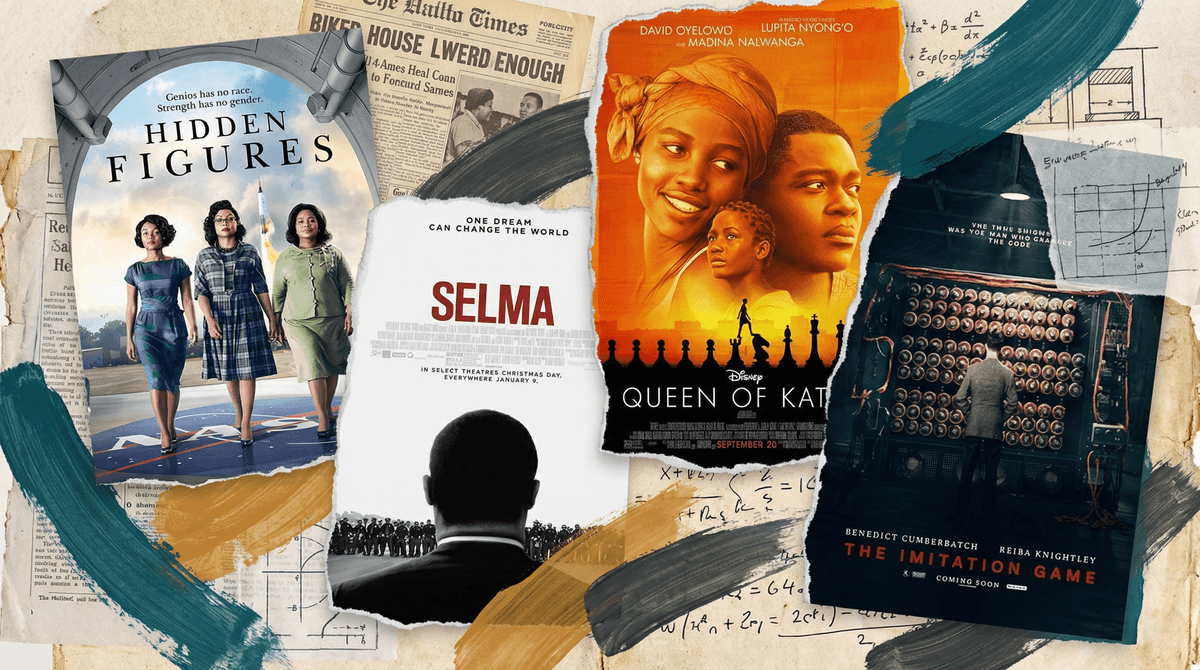
- Ages 6-9: Hidden Figures, McFarland, USA
- Ages 10-13: The Imitation Game, A Beautiful Mind
- Ages 14+: The Social Network, Selma
Biopics are having a moment. Between the Oppenheimer phenomenon and the steady stream of music biopics (Bohemian Rhapsody, Elvis, Back to Black), Hollywood is betting big on true stories. And honestly? They can be amazing family viewing—when you pick the right ones.
The thing about biopics is they come with built-in stakes. These aren't fictional heroes—they're real people who actually changed the world, overcame impossible odds, or made history. That authenticity hits different for kids. But real life is also messy, complicated, and sometimes deeply inappropriate for young viewers.
So how do you find biopics that inspire without traumatizing? That teach without lecturing? That acknowledge hard truths without overwhelming? Let's break it down.
Before we dive into recommendations, it's worth saying: biopics do something unique. They show kids that real people—not superheroes or chosen ones—can change the world. They make history feel personal. They demonstrate resilience, creativity, and courage in ways that stick.
Plus, they're excellent conversation starters. A good biopic naturally leads to questions: "Was that really true?" "What happened after the movie ended?" "Could I do something like that?" These are the kinds of discussions that build critical thinking and curiosity.
That said, not all biopics are created equal when it comes to family viewing. Some sanitize history too much. Others dive into adult content that's just not appropriate for younger viewers. The goal is finding that sweet spot.
Ages 6-9: Introduction to Real Heroes
At this age, kids need stories that feel inspiring without being scary or overwhelming. Look for biopics with clear heroes, positive messages, and minimal heavy content.
The gold standard for elementary-age biopics. This tells the story of three Black women mathematicians at NASA during the Space Race. It tackles racism and sexism head-on but in ways that are age-appropriate and ultimately triumphant. Kids get to see brilliant women solving impossible problems with math—and it's genuinely exciting. Ages 8+
Kevin Costner coaches a cross-country team in a predominantly Latino farming community. It's about hard work, community, and believing in yourself. Some heavy themes about poverty and labor conditions, but handled with care. Ages 8+
Okay, this one takes massive liberties with P.T. Barnum's actual story (he was way more problematic in real life), but it's a great entry point for younger kids into the idea of biographical storytelling. Use it as a jumping-off point to talk about how movies change real stories . Ages 7+
The true story of a Ugandan girl who becomes a chess champion. Beautiful, inspiring, and shows a part of the world many kids haven't seen. Some poverty and hardship, but nothing graphic. Ages 8+
Ages 10-13: Complexity and Nuance
Middle schoolers can handle more complicated stories—flawed heroes, moral ambiguity, historical injustice. They're also starting to think about their own futures and what they might want to do with their lives.
Alan Turing's story of breaking the Enigma code during WWII. Brilliant for math-minded kids, and it doesn't shy away from the tragic injustice of how Turing was treated for being gay. Some war violence and heavy themes, but incredibly important. Ages 12+
John Nash's journey with schizophrenia and mathematical genius. This one requires some prep—it's intense and deals with mental illness in ways that might be scary for younger viewers. But for mature tweens, it's a powerful story about perseverance. Ages 13+
Claire Danes plays the autistic animal scientist who revolutionized the livestock industry. Excellent for neurodivergent kids and their peers. Shows how different minds can solve problems in unique ways. Ages 10+
Jackie Robinson breaking baseball's color barrier. The racism is depicted clearly (which is important), but it's tough to watch. Great for conversations about civil rights and standing up to injustice. Ages 11+
Homer Hickam's journey from coal mining town to NASA engineer. A perfect movie for kids interested in science or feeling trapped by their circumstances. Some family conflict but ultimately uplifting. Ages 10+
Ages 14+: The Full Picture
High schoolers can handle the real deal—complex historical figures, moral gray areas, and adult themes (within reason). These are biopics that don't pull punches but offer incredible insights into history and human nature.
The founding of Facebook is basically required viewing for teens living in the digital age. Mark Zuckerberg is portrayed as brilliant but deeply flawed. Great for discussions about tech ethics, ambition, and what success actually costs. Ages 14+
MLK's campaign for voting rights. Powerful, important, and doesn't sanitize the violence of the civil rights movement. Essential viewing, but emotionally heavy. Ages 14+
The Aaron Sorkin version (not the Ashton Kutcher one—skip that). Shows Jobs as a complicated, often unlikable genius. Perfect for tech-obsessed teens who need to understand that innovation doesn't excuse being a jerk. Ages 14+
The Boston Globe's investigation into Catholic Church abuse. Heavy subject matter, but handled with incredible care. Shows the power of journalism and accountability. Ages 15+
Stephen Hawking's life and relationship with Jane Wilde. Beautiful, sad, inspiring. Deals with disability, divorce, and mortality in mature ways. Ages 13+
Music biopics are everywhere right now, but most are not family-friendly. Bohemian Rhapsody, Rocketman, Elvis—they all deal with drugs, sex, and rock-and-roll excess.
The exception: Coco. Technically not a biopic, but it's inspired by real Mexican culture and traditions around Día de los Muertos. It's a beautiful gateway into understanding how music and memory connect. Ages 6+
For older teens (16+), music biopics can be valuable—they show the dark side of fame and the cost of genius. Just preview them first. Back to Black (about Amy Winehouse) is devastating and deals with addiction and abuse. It's important, but not for everyone.
Biopics come with unique challenges:
Historical Accuracy vs. Entertainment: Movies always take liberties. The Greatest Showman makes P.T. Barnum a hero when he was actually pretty exploitative. The Imitation Game simplifies and dramatizes Turing's work. Use these as teaching moments: "What do you think they changed? Why?"
Sanitization: Some biopics whitewash difficult truths. The Blind Side has been criticized for its white-savior narrative. Green Book similarly simplifies racial dynamics. These can still be worth watching, but with critical discussion.
Trauma and Violence: Real life includes real trauma. 12 Years a Slave is historically important but graphically violent—not appropriate for kids under 16, and even then, requires preparation.
Mature Content: Many biopics include sex, drugs, and language because, well, real people do those things. Always check Common Sense Media ratings before watching.
The conversation is where the real value happens. Here's how to make it count:
Before watching:
- Give context. "This is about a real person who lived during [time period] and did [thing]."
- Set expectations. "Some parts might be sad/scary/confusing. We can pause anytime."
- Clarify what's true vs. dramatized (if you know).
During watching:
- Pause for questions. Don't let confusion pile up.
- Point out historical details that might be missed.
- It's okay to fast-forward through a scene if it's too much.
After watching:
- "What surprised you most?"
- "Do you think they changed anything? Why would they do that?"
- "What do you think you would have done in that situation?"
- Follow up with books, documentaries, or podcasts about the person or era.
Biopics work best as jumping-off points:
- Read the actual biography or autobiography
- Watch documentaries for the real story
- Listen to history podcasts for kids
- Visit museums or historical sites if possible
- Create a timeline of the person's life
- Research what happened after the movie ends (because movies always end at a dramatic moment, not at the actual end)
Biopics can be incredible tools for inspiring kids, teaching history, and sparking meaningful conversations—but they require curation. Not every biographical film is appropriate for family viewing, and even the good ones need context.
Start with clear heroes and positive messages for younger kids (Hidden Figures, Queen of Katwe). Move into complexity and moral nuance for middle schoolers (The Imitation Game, Temple Grandin). Let teens grapple with flawed heroes and difficult truths (The Social Network, Selma).
And remember: the movie is just the beginning. The real magic happens in the conversations afterward, when kids start asking questions, making connections, and imagining what they might do to change the world.
Want more recommendations? Check out our guides to inspiring movies for kids, documentaries that don't bore kids, or how to talk to kids about difficult historical topics.