The Imitation Game

The Imitation Game

movie

PG-13, 2014, Biography, Drama

WISE
72%

WISE Score

90

Avg. Tomatometer

Benedict Cumberbatch cracks Nazi codes and breaks your heart as Alan Turing, the genius who changed history and got brutalized for being gay.

IMDb8
RT Critics90%
MC71
Common Sense Media
Where to Watch
Loading streaming options...
Screenwise Verdict

The Imitation Game is genuinely excellent for the right teen audience—it's smart, well-made, and tackles important history that more people should know about. Turing's story is both inspiring (genius codebreaker who changed the world) and devastating (persecuted, chemically castrated, driven to suicide for being gay).

The film doesn't shy away from the brutality of how society treated him, which is exactly why it's valuable. Kids need to understand that this wasn't ancient history—Turing died in 1954, and the British government didn't pardon him until 2013. That's recent enough that their grandparents were alive when being gay was a crime.

That said, this is not a casual Friday night movie for 11-year-olds. The emotional weight is real, and the persecution scenes—while not graphic—are hard to watch. Common Sense Media's 13+ rating feels right, and honestly, older teens (15+) will probably get more out of it.

For families who want to raise kids who understand LGBTQ+ history, appreciate STEM pioneers, and can handle serious conversations about injustice, this is a must-watch. Just be ready to talk afterward, because it'll leave them with questions and feelings.

Age Fit

Best for ages 13-17 who can handle serious historical injustice and emotionally heavy material. Younger teens interested in STEM, history, or LGBTQ+ rights will get the most out of it, but it requires maturity—this isn't a feel-good story.

WISE Breakdown
Wholesome
68

Models intellectual courage, perseverance, and standing up for what's right. However, deals with heavy themes of persecution, suicide, and societal cruelty toward LGBTQ+ individuals. The tone is serious and somber, appropriate for its subject matter but emotionally weighty. Shows cooperation among the codebreaking team, though also depicts workplace conflict and Alan's social struggles.

Imaginative
78

Celebrates mathematical genius, problem-solving, and the creative leap required to build an early computer. The Enigma codebreaking premise is inherently fascinating and invites curiosity about cryptography, logic, and innovation. However, it's a historical drama that presents rather than invites participation—you're watching genius unfold, not exploring it yourself.

Safe
55

Contains several concerning elements for younger viewers: depicts Turing's chemical castration, references to his eventual suicide, wartime violence (though not graphic), bullying and physical assault of young Alan, and the persecution of a gay man in 1950s Britain. No graphic sex or nudity, but the homophobic persecution is emotionally brutal. Common Sense Media rates it 13+, which feels appropriate. Not something that would surprise-traumatize, but definitely requires emotional maturity.

Enriching
85

Exceptionally enriching for the right age. Teaches about WWII history, early computing, cryptography, and the profound injustice of how society treated LGBTQ+ individuals. Turing's story offers lessons about intellectual courage, the cost of genius, and fighting for what you believe in. Strong performances (Benedict Cumberbatch, Keira Knightley) make complex ideas accessible. 90% RT critics, 91% audience, 8.0 IMDb—widely acclaimed as both entertaining and educational.

Parent Info

Why It Might Be Great

  • Introduces teens to Alan Turing's massive contributions to computing and WWII—he literally saved millions of lives and basically invented the computer
  • Powerful lesson about LGBTQ+ history and the horrific persecution gay people faced (and how recent this all was)
  • Smart, engaging thriller that makes math and codebreaking genuinely exciting—rare for a historical biopic
  • Strong performances and tight pacing keep it watchable despite heavy subject matter; 90% on Rotten Tomatoes for a reason
  • Opens conversations about justice, difference, genius, and standing up for what's right even when society is against you

What to Watch For

  • The persecution scenes are brutal—chemical castration, constant homophobia, and the film ends with text about Turing's suicide. Not graphic, but emotionally heavy
  • Young Alan gets bullied and physically assaulted at school; some wartime tension and implied violence
  • This is a serious, adult drama—not a superhero origin story. Kids need emotional maturity to process the injustice
  • Some might find the non-linear timeline a bit confusing (jumps between 1920s, 1940s, and 1950s)

Conversation Starters

  • "Alan Turing basically invented computers and saved millions of lives, but most people didn't know about him for decades. Why do you think that is?"
  • "How do you think you would have reacted if you'd lived in the 1950s when being gay was literally illegal? What would you have done?"
  • "The movie shows how sometimes the smartest, most important people are the ones society treats the worst. Can you think of other examples?"
  • "If you could build a machine to solve one impossible problem, what would it be?"
  • "Why do you think it took until 2013 for the British government to officially pardon Alan Turing?"

Deep Dive

If you have a teen who geeks out over logic puzzles or thinks they are the smartest person in the room, The Imitation Game is their essential watch. It is one of those rare films that makes sitting in a room thinking look as high-stakes as a frontline battlefield. While it is technically a war movie, it plays more like a heist film where the vault is a German code and the tools are pure math.

The movie succeeds because it treats Alan Turing’s genius as both a superpower and a burden. It avoids the dry, dusty tone of a typical history lecture. Instead, it leans into the friction of a man who can solve the world's hardest problems but cannot navigate a simple conversation over lunch. This makes it a perfect entry for the top 25 must-watch movies for teens because it hits that sweet spot of feeling sophisticated without being boring.

The "True Story" asterisk

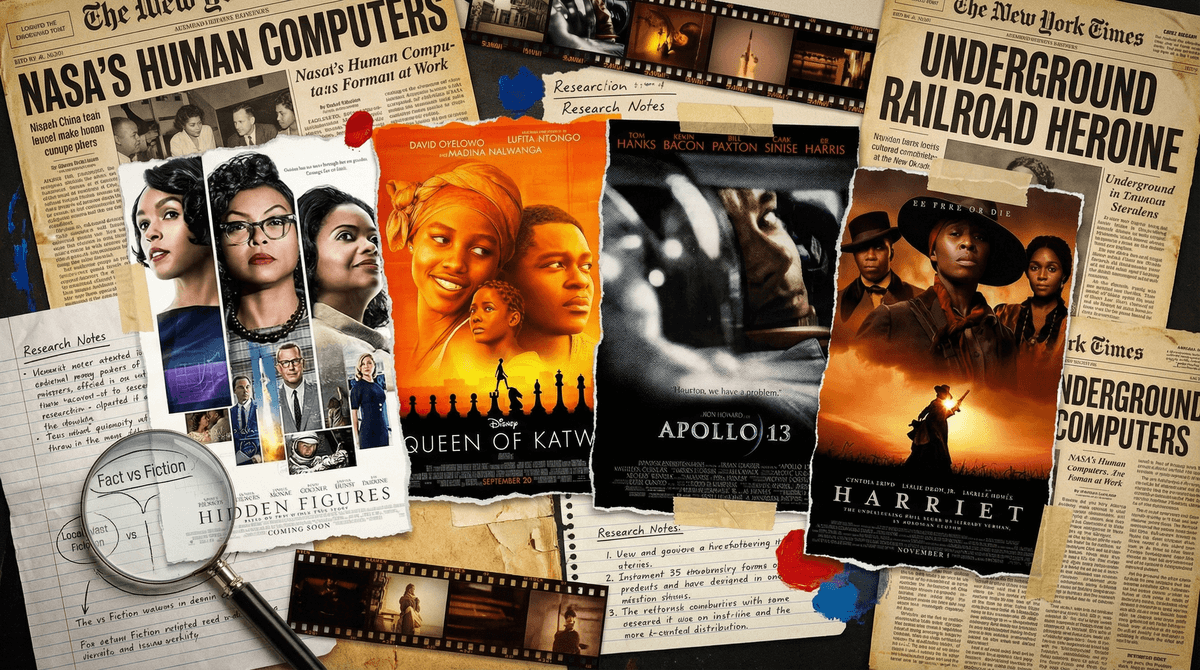
Hollywood biopics are notorious for smoothing over the boring parts and cranking up the drama for the camera. While the film captures the spirit of the Enigma breakthrough, it compresses years of work by thousands of people into a few key scenes in a shed. When you're watching, it is worth checking out our guide on movies based on true stories to help your teen navigate what is historical fact and what is just good screenwriting.

The film’s 90% Rotten Tomatoes score reflects how well it balances these tones. It manages to be a ticking-clock thriller while slowly revealing the tragedy of Turing’s later life. It doesn't treat the math as a side plot; it makes the creation of the machine the heartbeat of the story.

Handling the ending

Most WWII movies end with a parade and a sense of triumph. This one ends with a gut-punch. The final act covers Turing’s persecution in the 1950s, and it does not sugarcoat the reality of how he was treated by the very government he helped save. It moves the film from a standard war flick into the territory of biopic movies for families that actually matter for character building.

If your kid liked the "outsider vs. the world" vibe of modern tech dramas or stories about misunderstood geniuses, they will be locked in. Just be prepared for the mood to shift significantly in the last twenty minutes. It is a movie that starts as a puzzle and ends as a tragedy, leaving you with plenty to talk about once the credits roll.

Ask Anything

Get a personalized guide on any topic

Related Guides