The "restraint" superpower
Most sports movies follow a predictable arc: the underdog gets insulted, finds their fire, and eventually shuts the haters up with a big play or a flashy speech. 42 is different because the "fire" has to stay internal. The most intense scenes aren't the home runs; they are the moments where Jackie Robinson is being screamed at by a racist manager or a stadium full of fans and has to do absolutely nothing.
For a kid used to modern "stand up for yourself" narratives, this is a total pivot. It frames dignity as a tactical choice. We often talk to kids about sports movies that teach resilience and character, but this film shows a very specific, high-stakes version of it. It’s not just about "not quitting" when the game is hard. It’s about the mental discipline required to ignore people who are trying to bait you into a fight you can’t afford to win.
Dealing with the "n-word" count
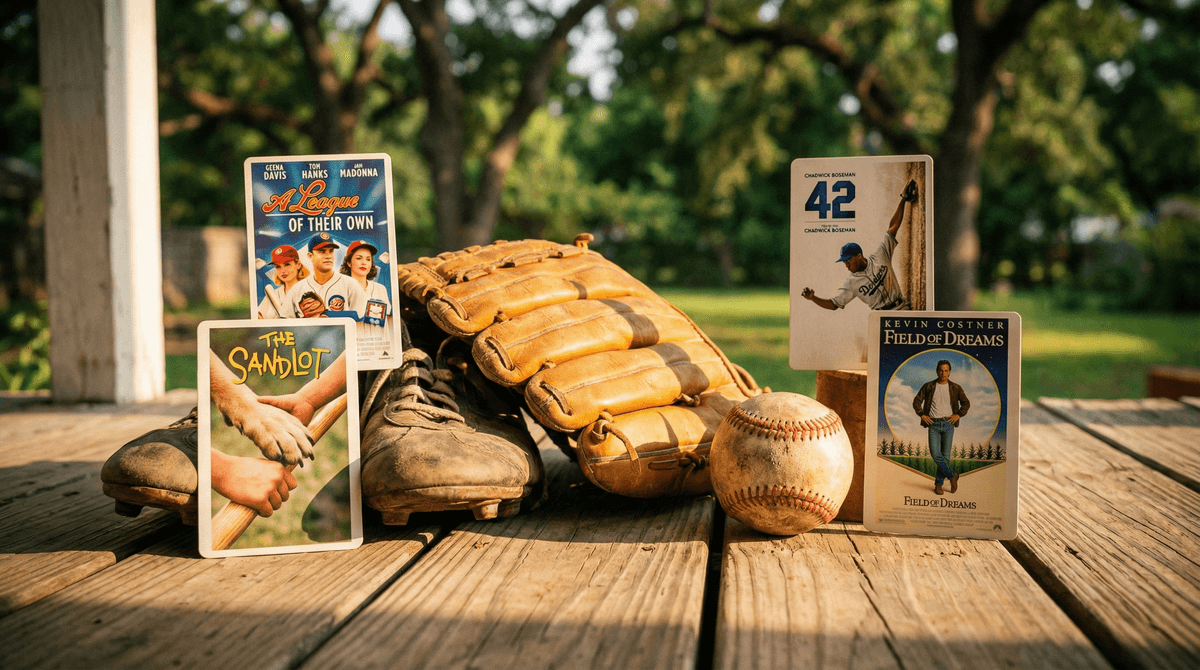
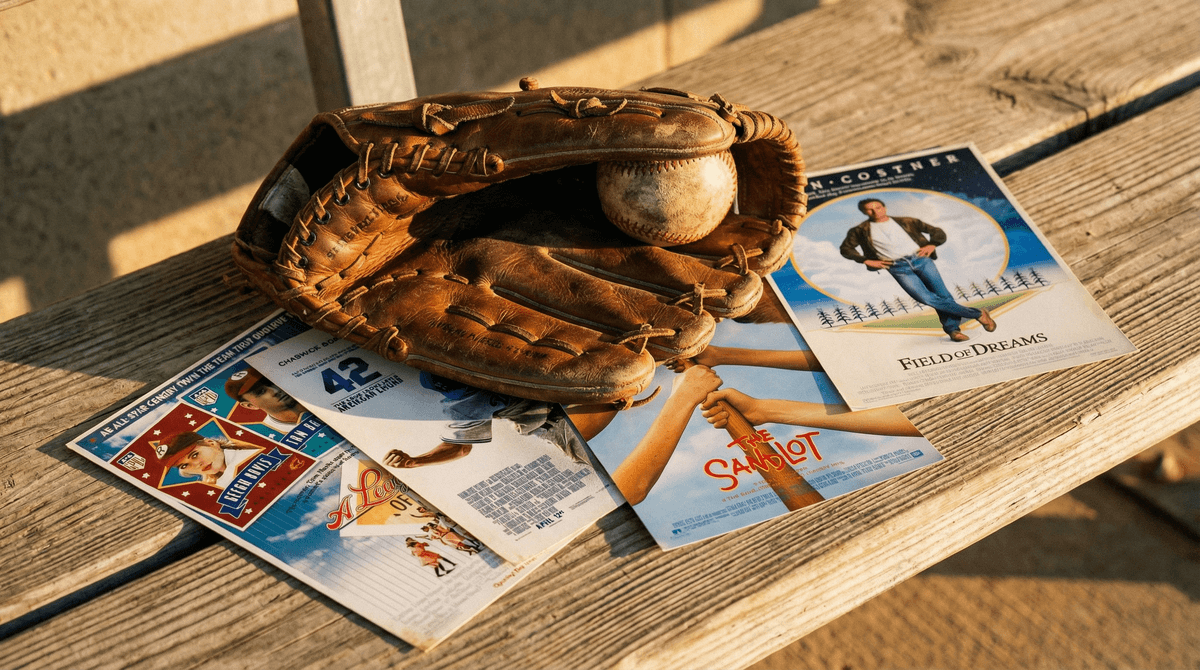
If you’re looking for a breezy afternoon watch like the ones in our guide to the best baseball movies for kids and families, this isn't that. The racial slurs aren't just background noise; they are used as weapons. There is one specific scene involving a dugout manager that is genuinely painful to sit through. It’s repetitive, ugly, and designed to make you feel as cornered as Robinson feels.
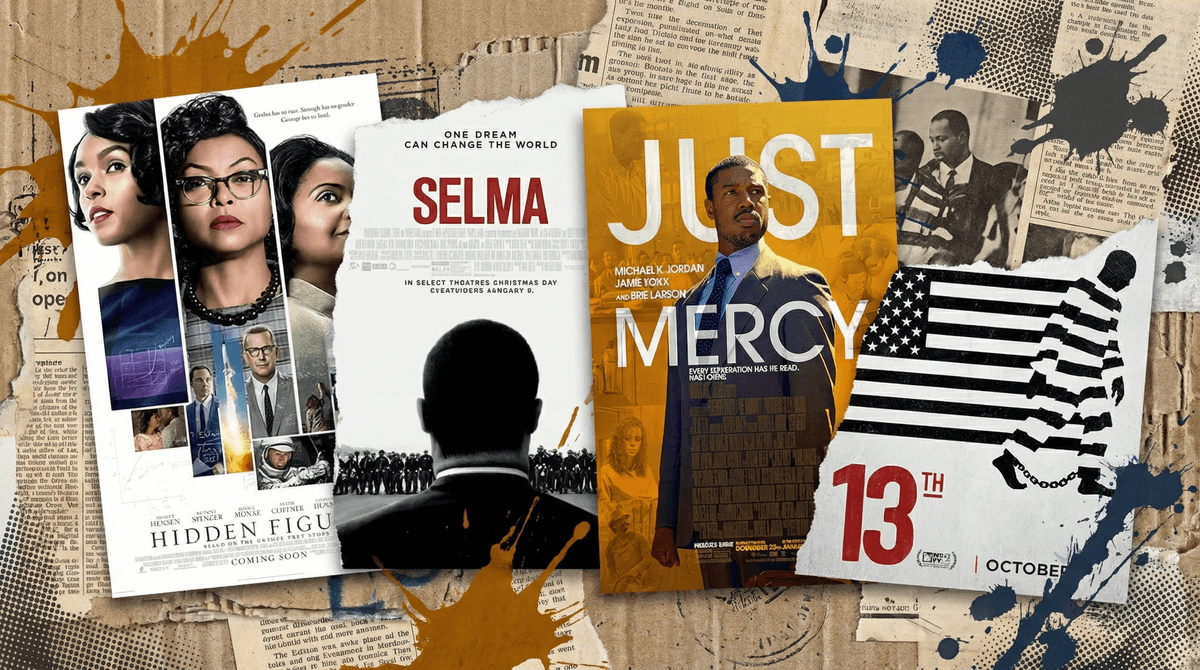
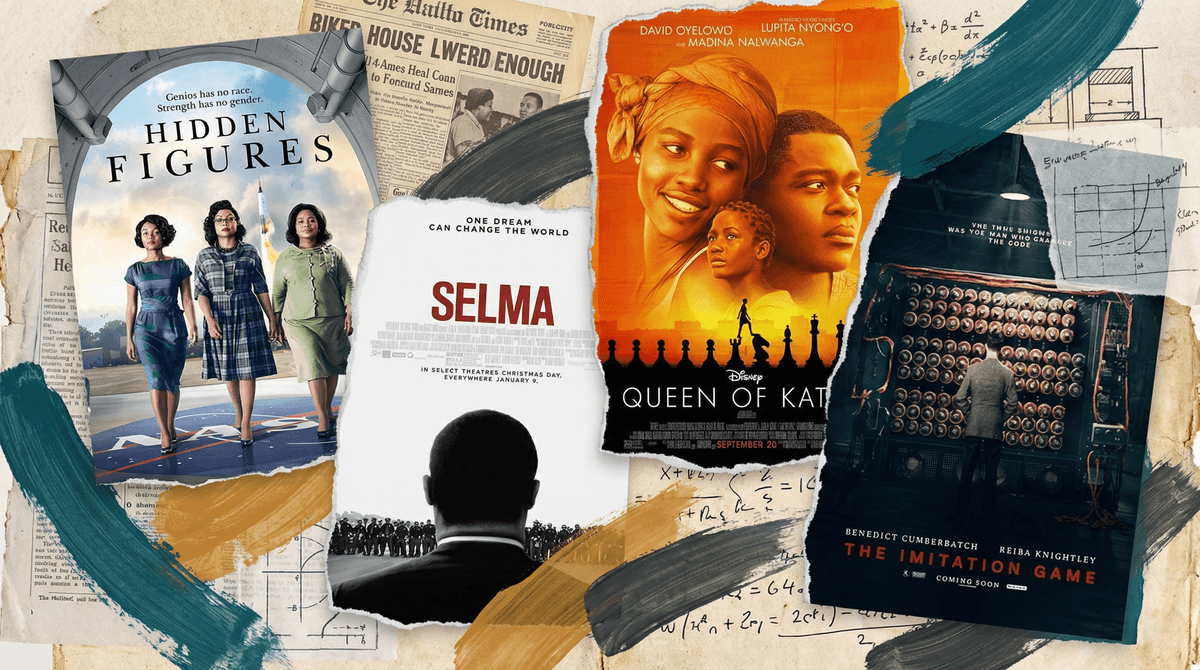
You shouldn't try to "protect" an 11-year-old from these moments by fast-forwarding. The movie’s entire point is the weight of that verbal abuse. If they can’t handle the language, they aren't ready for the movie. But if they are ready, it serves as one of the better black history movies about activism and justice because it makes the "why" of the civil rights movement feel immediate and personal rather than like a dry textbook entry from 1947.
Why it works (and where it’s just okay)
As a piece of filmmaking, 42 is fairly standard. It hits the emotional beats you expect right when you expect them. It doesn't take many risks with how it’s shot or edited. If you’re a film buff looking for an experimental masterpiece, you’ll probably find it a bit safe.
But for a family audience, that "safeness" is actually a strength. It makes the historical complexity easy to follow. The movie doesn't get bogged down in the internal politics of the Brooklyn Dodgers or the technicalities of 1940s sports contracts. It stays laser-focused on the human cost of breaking the color barrier. You don't need to be a baseball fan to get it, but if you are, the period-accurate stadiums and uniforms are a nice touch that makes the history feel real rather than staged.