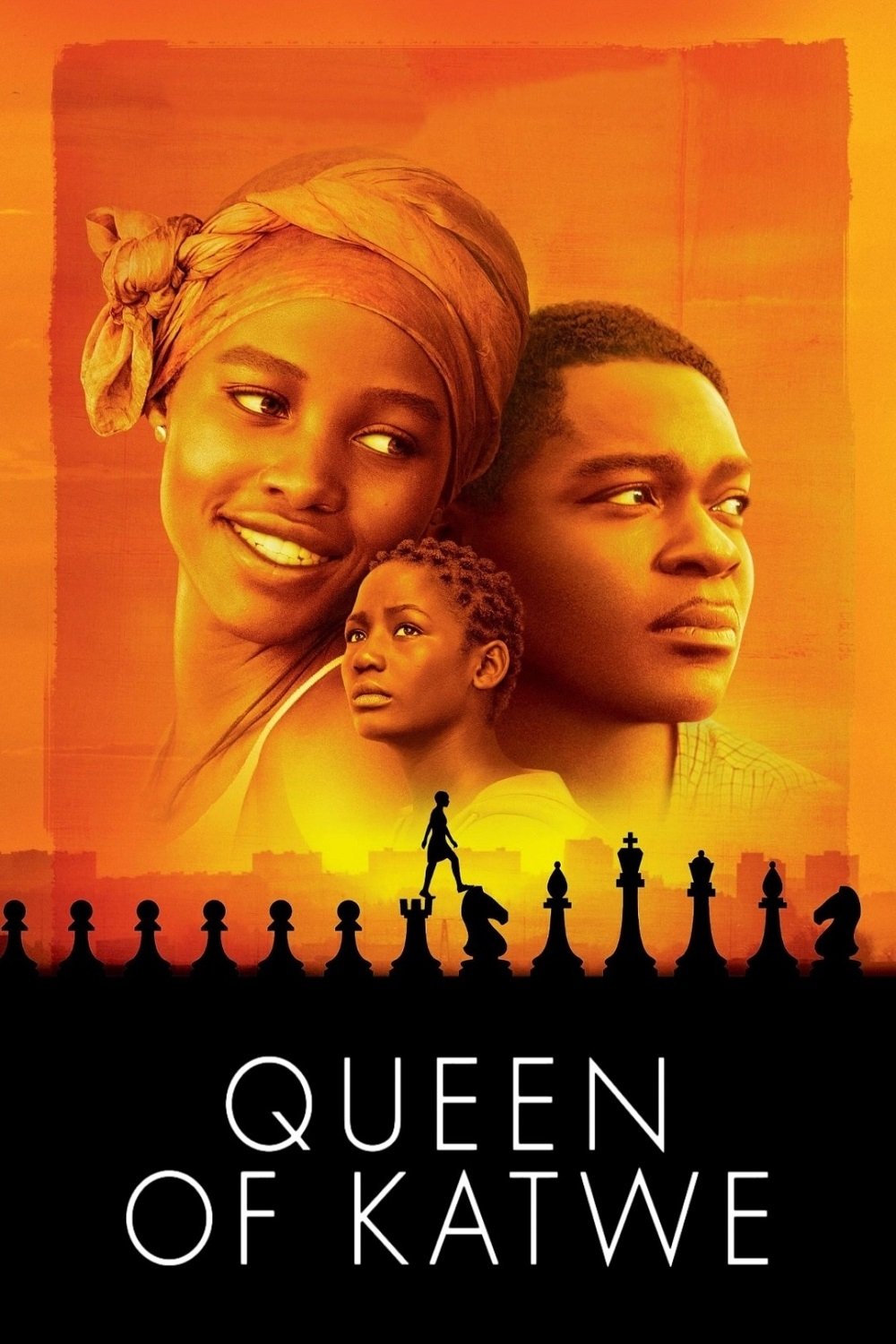
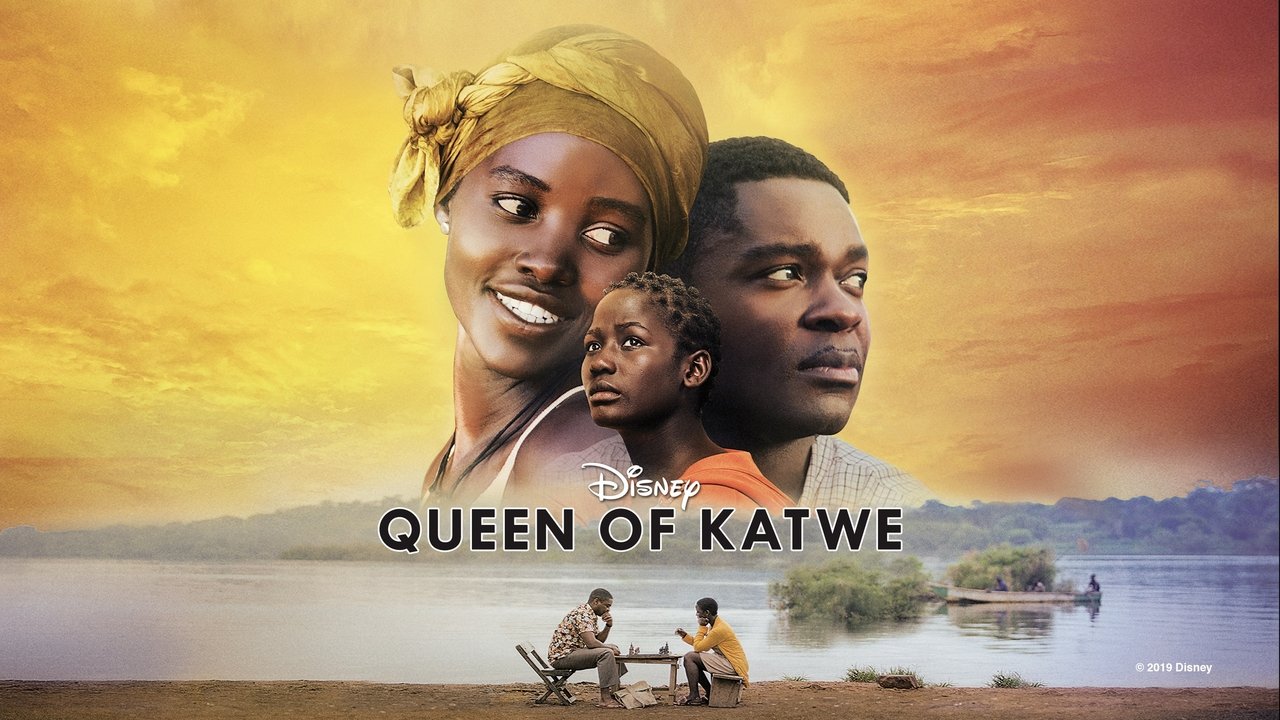
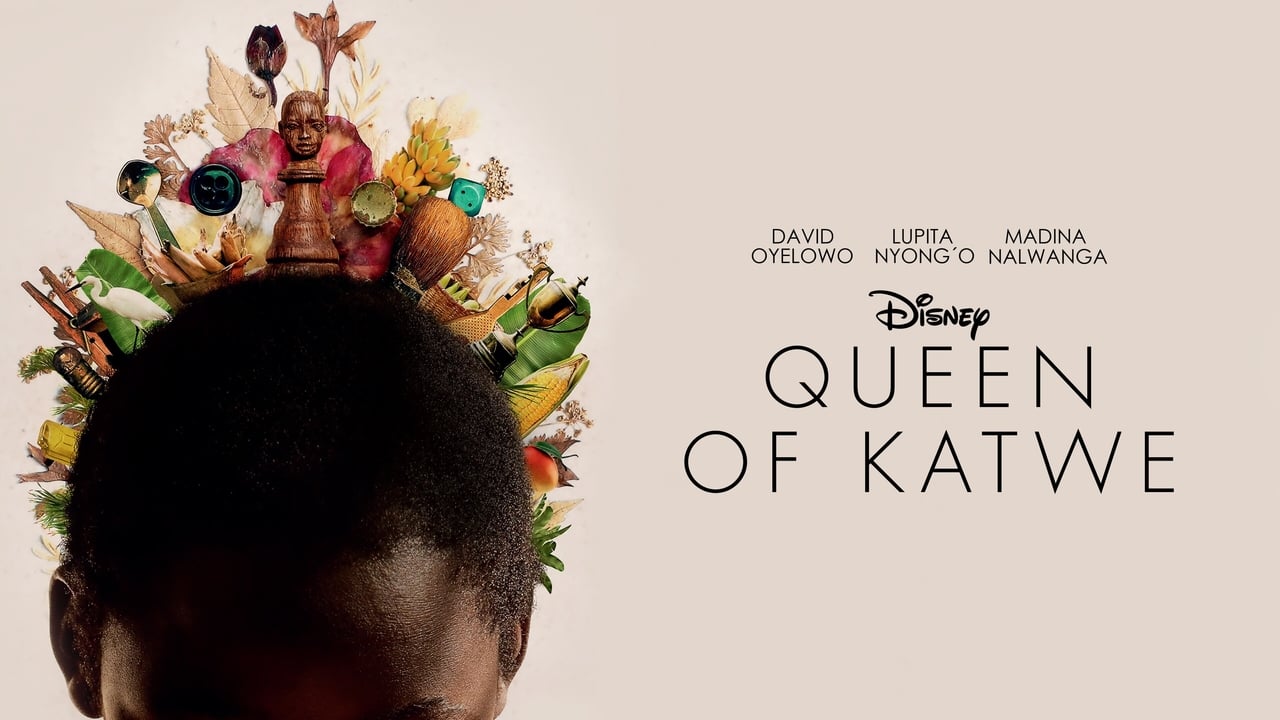
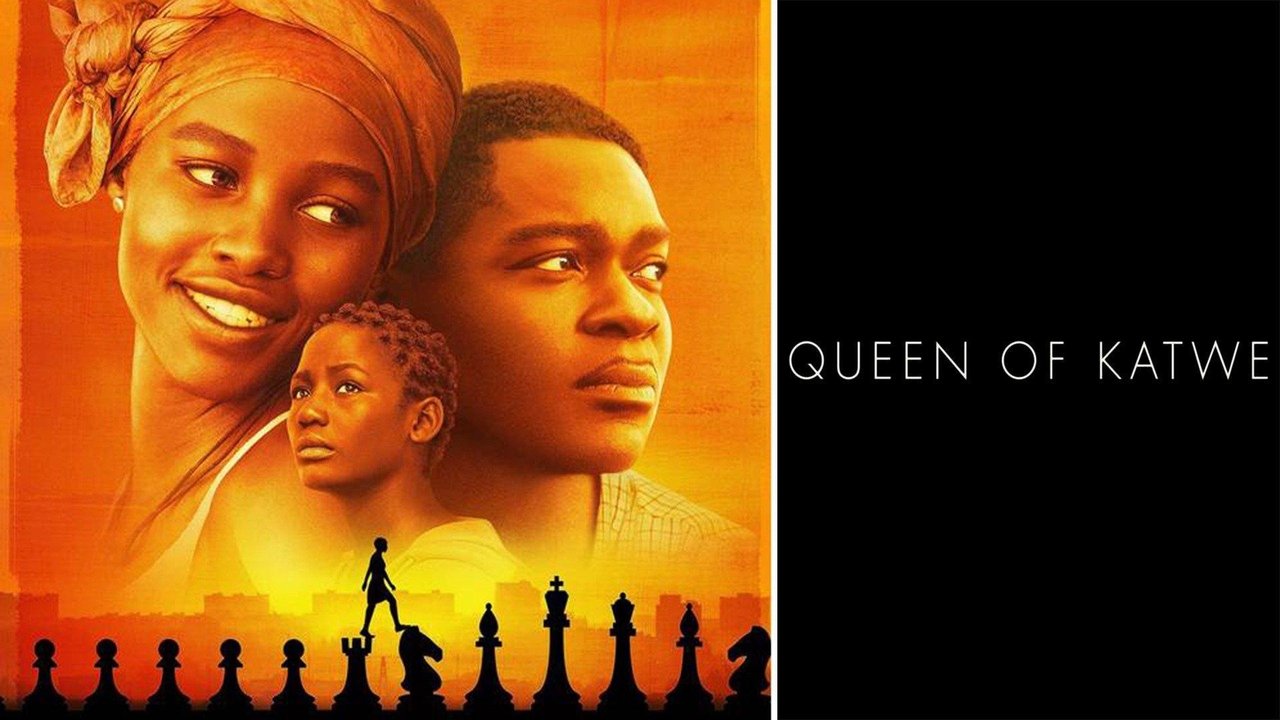
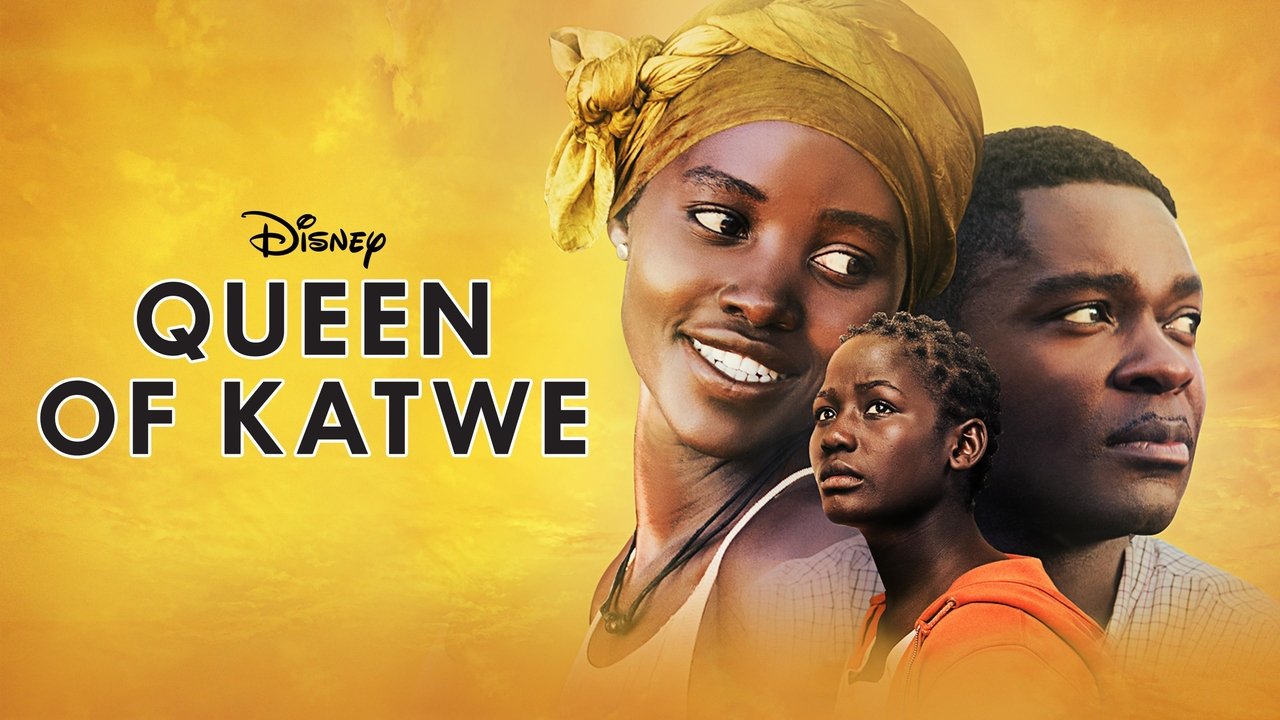
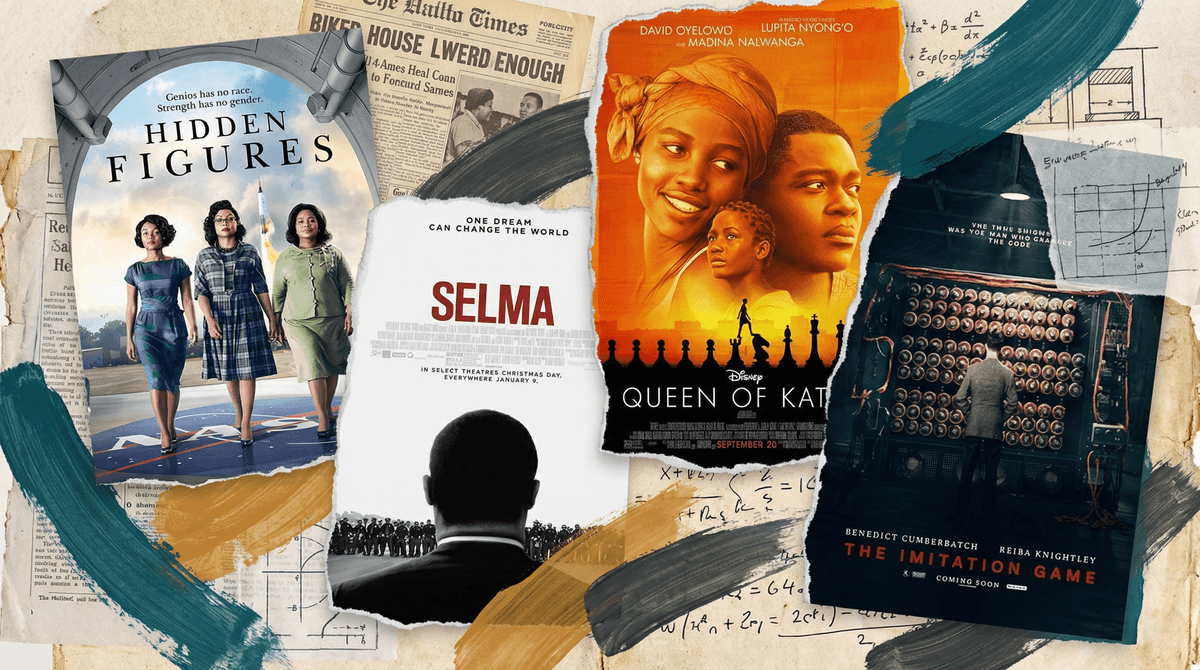
Most Disney "inspiration" movies follow a very specific, polished formula where the struggle feels like a temporary hurdle on the way to a trophy. Queen of Katwe is different. It’s a sports movie where the playing field is a wooden board in a shantytown, and the stakes aren't just about winning a tournament—they’re about whether the protagonist’s family can afford salt or kerosene.
The "Disney" movie that doesn't feel like one
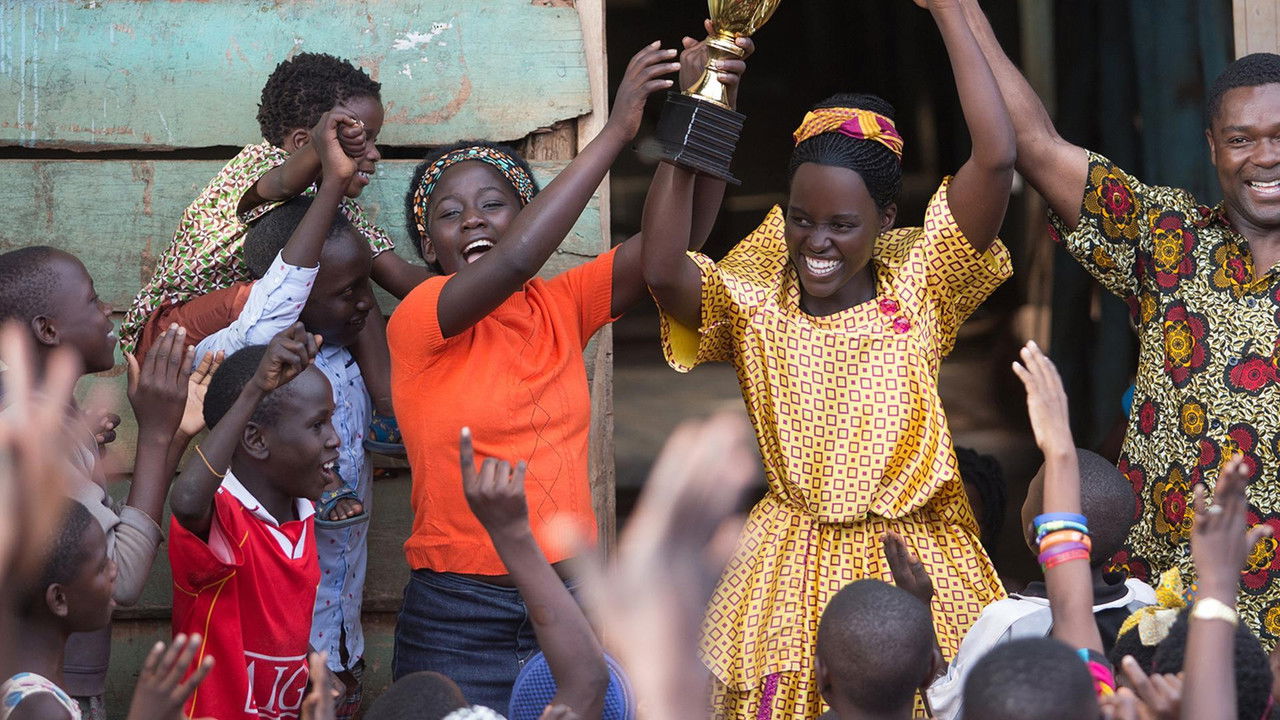
If you’re expecting the high-gloss, sanitized version of Uganda, you won’t find it here. The film is loud, colorful, and crowded, capturing the actual energy of Katwe. It doesn't look down on its characters, but it doesn't look away from their reality either. When Phiona’s family faces eviction or a medical emergency, the film treats those moments with a weight that might feel heavy for younger kids.
However, that realism is exactly why the "win" feels so earned. It avoids the tired "white savior" trope entirely. The hero is a young girl, her mentor is a local missionary, and her primary obstacle is a world that tells her she doesn't belong at a chess board. This is one of the most effective movies with inspiring Black women because it focuses on Phiona's internal growth and intellectual dominance rather than just her circumstances.
Why chess actually works on screen
Chess is notoriously difficult to make "exciting" for a ten-year-old viewer. The film solves this by focusing on the psychology of the game. We see Phiona learn that the small pawn can become a queen—a metaphor that could have been cheesy but feels vital in this context.
If your kid liked Akeelah and the Bee or even The Queen’s Gambit (for the older teens), they’ll recognize the rhythm here. It’s about the obsessive, quiet thrill of being the smartest person in the room. The movie does a great job of showing that chess isn't just a hobby; it’s a way of teaching Phiona to plan eight steps ahead in a life that usually only lets her think about the next meal.
The friction you should anticipate
The runtime is the biggest hurdle. At two hours, it’s a commitment. There are no explosions, no talking animals, and the pacing is a slow burn. If your kids are used to the 90-minute frantic energy of modern animation, you might need to sell them on the "underdog" angle early.
You should also be prepared for the family dynamics. The tension between Phiona’s mother—played by Lupita Nyong'o—and her mentor, Robert Katende, is the heart of the film. The mother isn't a villain; she’s a pragmatist who is terrified that "hope" will only lead to her daughter being disappointed. It’s a nuanced take on parenting that makes this one of the better family-friendly biopics for actual adults to watch too.
How to watch it
Don't treat this like a "lesson" or "homework" movie. Even though it’s a movie based on a true story, it works best when you just treat it as a high-stakes drama.
- Watch for the "Pioneer" moment: There’s a scene where the kids from the slum arrive at a wealthy school for a tournament. The contrast in their clothes, their confidence, and the way they are perceived is a perfect opening for a conversation about class and bias without you having to lecture.
- The "Checkmate" hook: If your kid has zero interest in chess, they might still get hooked on the competitive travel aspect. Seeing Phiona fly on a plane for the first time or see snow is a reminder of how massive her world becomes through the game.