The visual language of a different brain
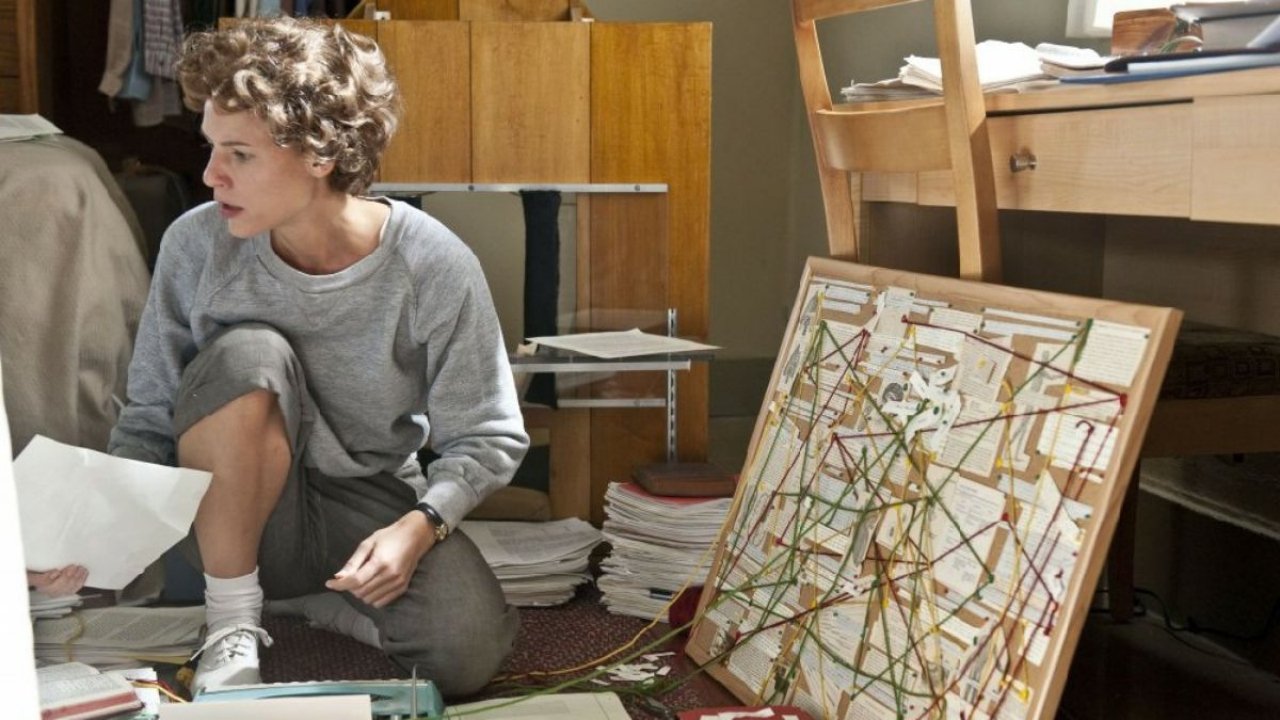
Most biopics about geniuses fall into the same trap: they tell you someone is smart through dialogue but never actually show you the machinery of their mind. This movie is the exception. It uses clever, low-fi visual effects—blueprints appearing in mid-air, gears turning, stop-motion sequences—to illustrate how Temple literally "thinks in pictures."
For a kid who feels like their brain works differently, seeing this on screen is a massive "aha" moment. It moves the conversation away from what an autistic person can't do and focuses entirely on the unique perspective they bring to the table. We aren't just watching her life; we’re seeing the world through her specific, highly-engineered lens. If you’ve spent any time looking for The Ultimate Guide to Family-Friendly Biopics, you know how rare it is to find a film that respects a child's intelligence this much.
Empathy through engineering
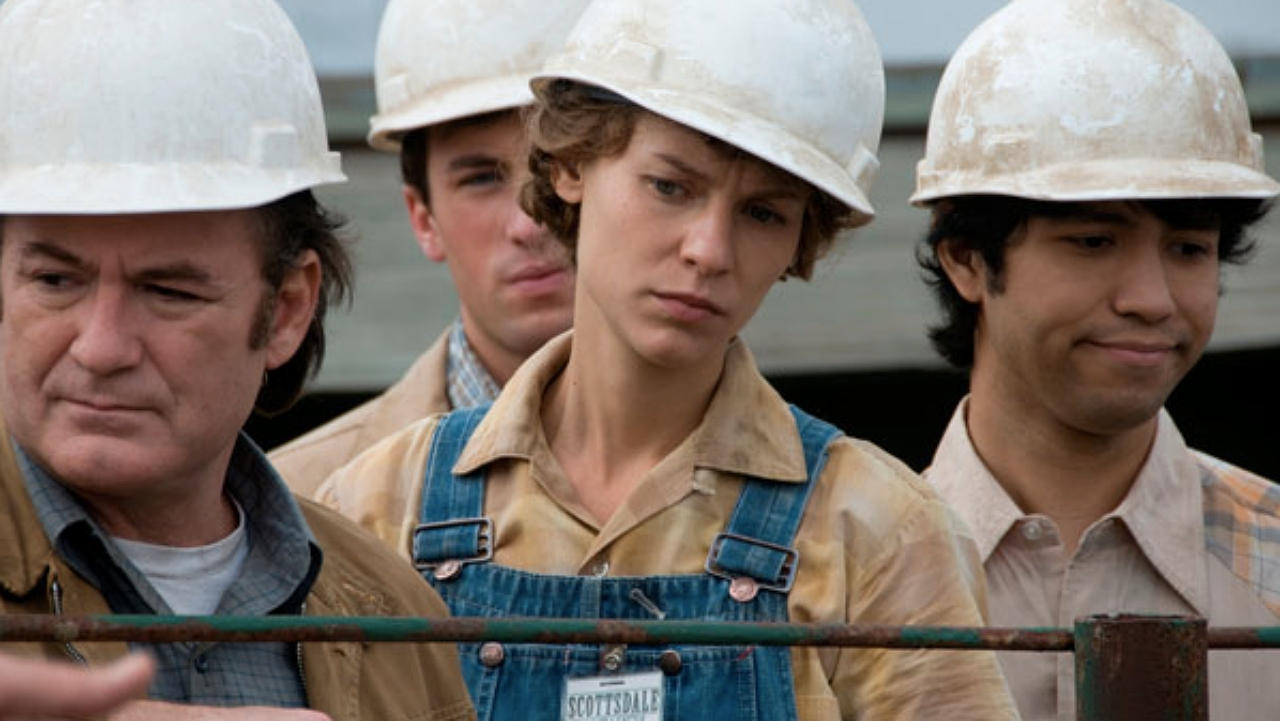
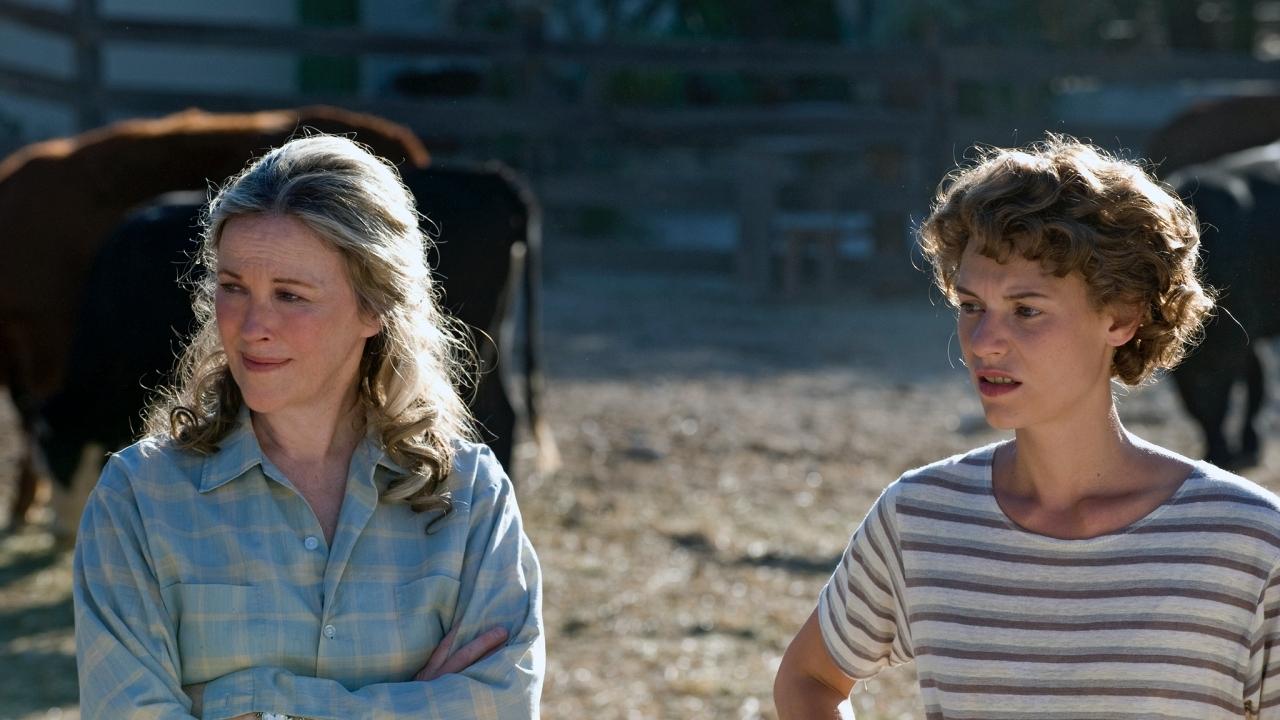
The subject matter—livestock handling and slaughterhouse design—might sound like a hard pass for a family movie night. It’s okay to be skeptical. However, the film approaches the cattle industry with a level of pragmatism and deep empathy that is fascinating rather than gruesome.
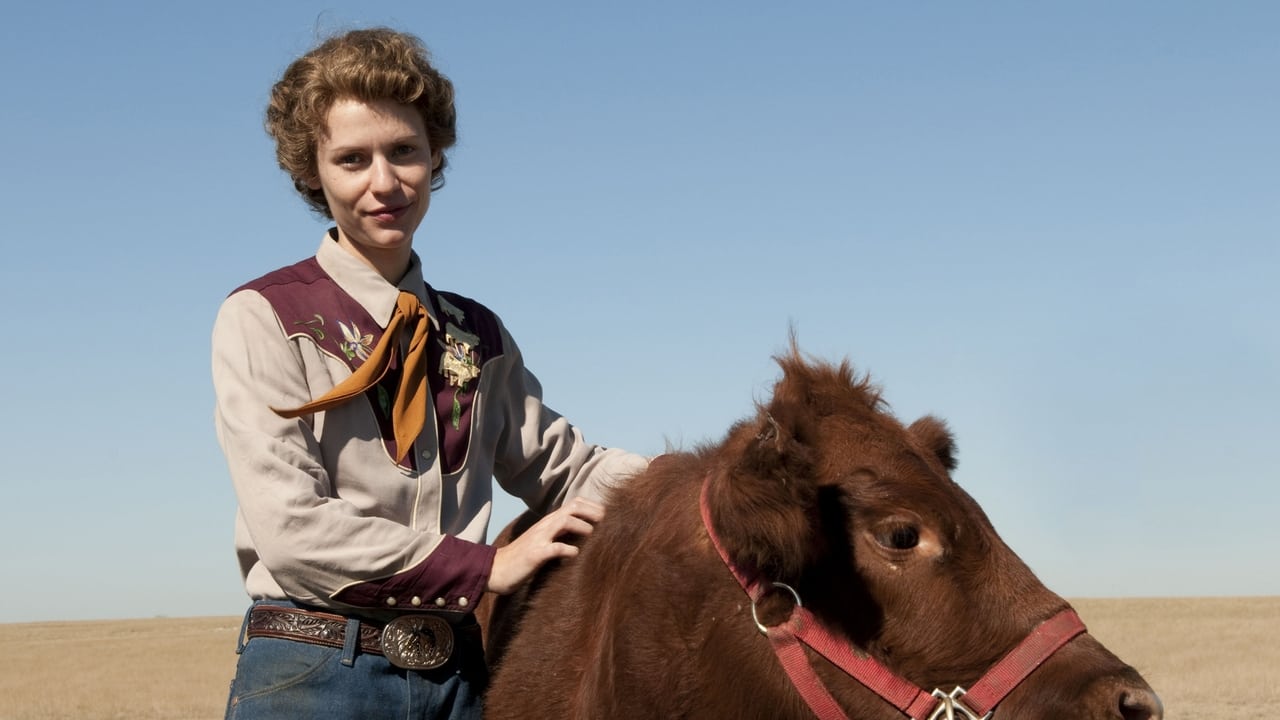
Temple’s connection to animals isn't sentimental or "Disney-fied." It’s grounded in the fact that she understands their sensory triggers because she shares them. Watching her design a more humane system isn't just a lesson in agriculture; it’s a masterclass in how observation can solve problems that "normal" experts missed for decades. It makes science feel like a creative superpower.
The performance that anchors it
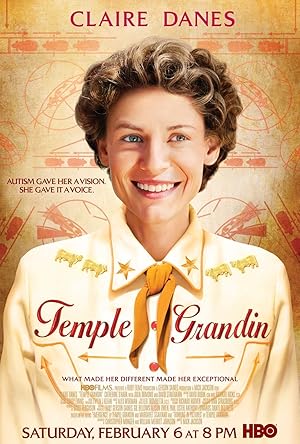
Claire Danes is the reason this movie didn't just disappear into the HBO archives. She avoids every "disability movie" cliché, opting instead for a performance that is physical, loud, and occasionally uncomfortable. She doesn't play Temple as a victim or a saint; she plays her as a person with a job to do who is constantly annoyed that the rest of the world won't just listen to logic.
It’s a career-best turn that makes the movie feel vital rather than educational. If your teen is used to seeing Danes in more intense, adult-skewing roles, this is a great pivot point. We’ve actually mapped out her range in our guide to Claire Danes Family Films: Age-Appropriate Picks from Temple Grandin to Stardust, which is worth a look if this performance sparks an interest in her other work.
Why it sticks
You’ll likely find yourself talking about the "squeeze machine" for a week after the credits roll. The film succeeds because it treats Temple’s autism as a foundational part of her success, not a hurdle she had to "overcome" to be useful.
It’s a high-trust movie. It trusts that your 12-year-old can handle the sight of a cattle dip and the complexity of a woman who doesn't like to be touched but desperately needs to feel secure. It’s one of the few films that actually deserves its perfect critical standing because it manages to be unflinching and hopeful at the exact same time.