

The Best Disney Movies of All Time, Ranked for Family Movie Night
Not all Disney movies are created equal. Some are timeless masterpieces that work for multiple ages and spark meaningful conversations. Others are... well, let's just say you'll be checking your phone. Here are the best Disney films (including Pixar) that actually deliver on story, values, and rewatchability:
Top Tier (Ages 5+):
Solid Gold (Ages 6+):
The Classics That Still Hold Up (Ages 4+):
Disney has been making animated films for almost a century, and they've produced everything from absolute masterpieces to content that feels like it was focus-grouped into oblivion. The best Disney movies share a few key traits:
They don't talk down to kids. The storytelling respects young viewers' intelligence while still being accessible.
They work on multiple levels. Adults aren't just tolerating these—there's genuine emotional depth and sophisticated humor.
The music actually slaps. You're going to hear these songs 47,000 times. They better be good.
They spark conversations. The themes give you natural openings to talk about identity, loss, family, courage, and other big concepts.
They age well. Unlike some Disney films that feel dated or problematic within a few years, these hold up.
Ages 5+ | 2017
This is it. This is the one. Coco is a stunning exploration of memory, family, and what it means to be remembered. The story follows Miguel, a young boy who dreams of being a musician despite his family's generations-old ban on music. When he gets trapped in the Land of the Dead on Día de los Muertos, he discovers the truth about his family history.
Why it's #1: The emotional intelligence here is off the charts. It handles death and memory in a way that's honest but not traumatizing. The cultural specificity (this is deeply rooted in Mexican traditions) makes it feel authentic rather than generic. And "Remember Me" will destroy you in the best way.
Parent note: Some kids under 5 might find the skeleton imagery scary, but most 5+ kids understand it's celebratory, not spooky. This is an incredible conversation starter about how families pass down stories and traditions .
.
Ages 5+ | 1994
The original, not the 2019 CGI remake (which is technically impressive but emotionally flat). The Lion King is basically Hamlet with lions, and it works spectacularly. The story of Simba's journey from carefree cub to exiled teen to reluctant leader covers themes of responsibility, grief, and identity.
Why it ranks: The opening sequence alone is worth it. The music (Elton John and Tim Rice) is iconic. The voice acting is perfect. And it doesn't shy away from real loss—Mufasa's death scene is genuinely affecting.
Parent note: That death scene is intense. Most kids 5+ can handle it, especially with some context-setting beforehand. It's actually a great entry point for conversations about death and grief.
Ages 5+ | 2021
Encanto arrived during peak pandemic and immediately became a cultural phenomenon. It tells the story of Mirabel, the only member of her magical family without a gift, and her journey to save their fading magic.
Why it works: This is really about generational trauma, family expectations, and finding your worth outside of productivity—heavy themes handled with a surprisingly light touch. The music (Lin-Manuel Miranda) is infectious. "We Don't Talk About Bruno" became the rare Disney song that kids AND adults genuinely wanted to listen to on repeat.
Parent note: The family dynamics here are complex and sometimes uncomfortable, which is exactly why it's valuable. Lots of kids (and adults) see their own families reflected in the Madrigals. Great for talking about family pressure and expectations.
Ages 5+ | 1995
The one that started it all—the first fully computer-animated feature film, and still one of the best. Toy Story explores what toys do when humans aren't around, and more importantly, what it means to be replaced.
Why it's timeless: The animation might look dated compared to modern Pixar, but the storytelling is flawless. The relationship between Woody and Buzz is a masterclass in character development. And it respects kids' real fears about change, friendship, and being left behind.
Parent note: The whole Toy Story series is worth watching, but start with the original. Toy Story 3 and 4 hit different as your kids get older.
Ages 6+ | 2016
A teenage girl who sets sail across the ocean to save her island, with only a demigod and a very dumb chicken for company. Moana is visually stunning and features one of Disney's best protagonists—she's brave, flawed, determined, and doesn't need a love interest to complete her arc.
Why it's great: The music is fantastic (Lin-Manuel Miranda again). The ocean itself is a character. And the emotional core—about identity, tradition, and finding your path—resonates across ages. Plus, it's one of the few Disney films where the protagonist's relationship with her grandmother is central.
Parent note: The lava monster Te Kā can be scary for younger kids. Most 6+ kids are fine, especially once they understand the reveal. Great for conversations about environmental stewardship.
Ages 7+ | 2015
Pixar's brilliant visualization of emotions as characters inside an 11-year-old girl's head. Inside Out follows Joy, Sadness, and the other emotions as they navigate Riley's difficult move to a new city.
Why it matters: This is essentially an animated psychology course. It normalizes complex emotions and shows that sadness isn't something to avoid—it's essential to processing change and forming deep connections. The scene where Riley finally breaks down and admits she's struggling? That's the whole movie right there.
Parent note: Some of the emotional concepts might go over younger kids' heads, which is why 7+ is the sweet spot. But it's one of those rare films that gets MORE meaningful with age. Essential viewing for helping kids understand and articulate their feelings.
Ages 7+ | 2007
A rat who wants to be a chef in Paris. On paper, this sounds ridiculous. In execution, Ratatouille is a gorgeous meditation on art, criticism, and the idea that greatness can come from anywhere.
Why it's underrated: This is Pixar at their most sophisticated. The villain isn't evil—he's a food critic doing his job. The message isn't "follow your dreams and everything works out"—it's "following your dreams is hard and requires sacrifice, but it's worth it." And that final scene with Ego? Perfection.
Parent note: Younger kids might get bored—there's a lot of dialogue and the pacing is slower. But 7+ kids who are interested in cooking, art, or creativity will be captivated.
Ages 5+ | 1991
The first animated film nominated for Best Picture at the Oscars, and for good reason. Beauty and the Beast is the gold standard for Disney's Renaissance era.
Why it works: Belle is a bookish heroine who doesn't fit in, and the movie never punishes her for it. The animation is stunning (that ballroom scene). The music is iconic. And while the "falling for your captor" thing is... complicated... the story ultimately works as a metaphor for looking beyond appearances.
Parent note: Worth having a conversation about healthy relationships and consent. Belle makes her own choices throughout, which is important, but the setup is still problematic by modern standards.
Ages 5+ | 1992
Robin Williams' performance as the Genie elevates this from good to great. Aladdin is the story of a street thief who pretends to be a prince to win the heart of Princess Jasmine.
Why it's still fun: The energy is infectious. The music is catchy. And underneath the magic carpet rides and comedy, there's a solid story about authenticity and self-worth.
Parent note: Some of the Middle Eastern stereotypes haven't aged well. Disney actually altered some lyrics after the original release. It's not egregious, but worth being aware of.
Frozen is fine. It's not bad. But it's been so overhyped and overplayed that it's hard to appreciate objectively anymore. The sister relationship is genuinely good, but the story is messy and the twist villain feels forced.
Finding Nemo is absolutely solid and belongs in the conversation. It's a gorgeous film about parenting, fear, and letting go. Maybe it slots in right after Ratatouille.
Up has one of the best opening sequences in film history, then becomes a perfectly good adventure movie. The tonal shift is jarring, but it's still worth watching.
The live-action remakes? Almost universally worse than the originals. They're technically impressive but lack the heart and stylization that made the animated versions special. Skip them.
Recent releases like Wish? Forgettable. Disney has been churning out content that feels focus-grouped and safe. There are exceptions (Turning Red is weird and specific in a good way), but the magic has been inconsistent lately.
Ages 4-5: Start with Moana, Encanto, or the classic princess films like Beauty and the Beast. Keep the runtime in mind—anything over 90 minutes might be pushing it.
Ages 6-8: This is the sweet spot for most Disney/Pixar films. Coco, The Lion King, Toy Story, and Inside Out all work beautifully here.
Ages 9+: They can handle everything, including some of the more emotionally complex Pixar films like Soul or WALL-E. This is also when rewatching childhood favorites hits different—they'll pick up on themes they missed before.
Scary scenes to prep for:
- Mufasa's death in The Lion King
- The furnace scene in Toy Story 3
- Te Kā in Moana
- The skeletons in Coco (though most kids find them fun, not scary)
These aren't just babysitters. The best Disney movies are conversation starters. After Coco, talk about your family's traditions. After Inside Out, ask about which emotion they felt most during the day. After Encanto, discuss family expectations and pressure.
Disney+ has made this too easy. Having unlimited access means kids will default to rewatching the same thing 400 times. That's fine sometimes—repetition is how kids process stories—but try to introduce variety. Check out our guide to alternatives to Disney+ for other quality animation.
Not every Disney movie needs to be watched. Seriously. There are some duds in the catalog. You don't need to work through the entire library. Life's too short for Chicken Little.
The music will take over your life. This is unavoidable. You will know every word to "We Don't Talk About Bruno" and "Let It Go" whether you want to or not. Lean into it. Make it fun. Have dance parties. Create playlists. Just accept your fate.
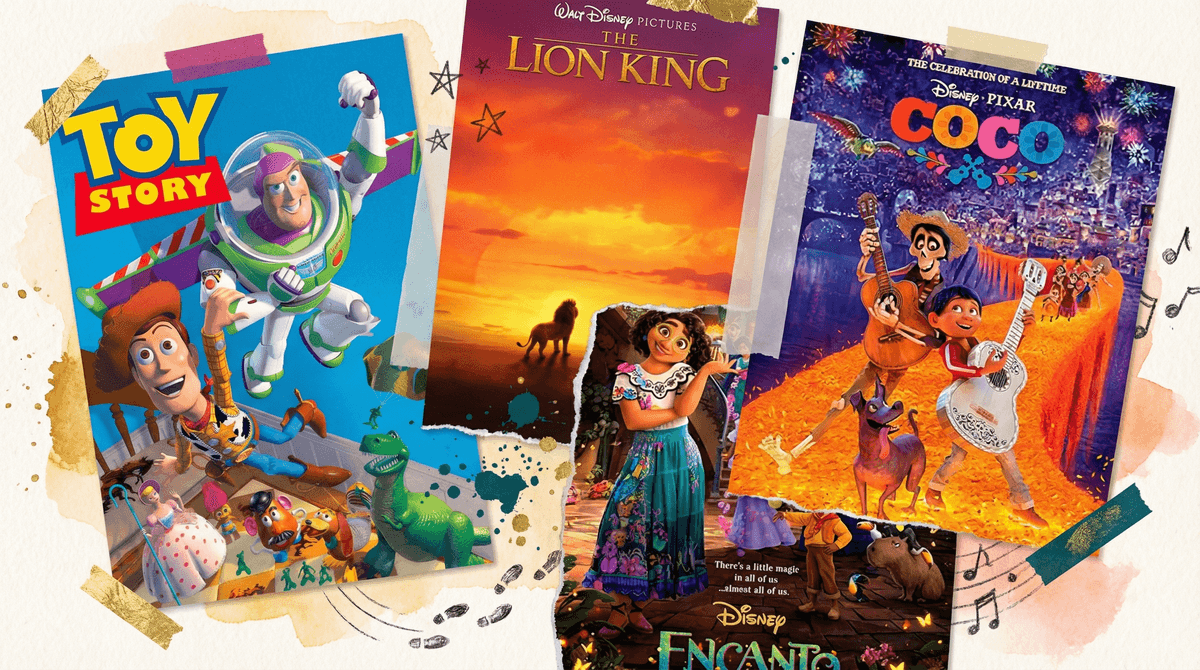
The best Disney movies aren't just entertaining—they're emotionally intelligent, visually stunning, and packed with themes worth discussing. Coco, The Lion King, Encanto, and Toy Story belong in every family's rotation.
But here's the thing: the "best" Disney movie for YOUR family depends on your kids' ages, interests, and what you want to talk about. A 5-year-old obsessed with music will connect with Coco differently than a 10-year-old dealing with family pressure who watches Encanto.
The real magic isn't in the movies themselves—it's in watching them together, talking about them afterward, and using them as springboards for bigger conversations about identity, loss, courage, and what it means to be human (or lion, or rat, or toy).
Start with one from the Top Tier list. You can't go wrong with Coco or The Lion King.
Make it an event. Movie nights work better when they're intentional. Make popcorn, turn off phones, watch together.
Talk about it afterward. Even just "What was your favorite part?" opens the door to deeper conversations.
Branch out. Once you've covered the Disney classics, explore Studio Ghibli films, other great animated movies, or quality family shows on Netflix.
Use Screenwise to find what's next. Our platform helps you discover age-appropriate content that aligns with your family's values. Check out our personalized recommendations based on your kids' ages and interests.