

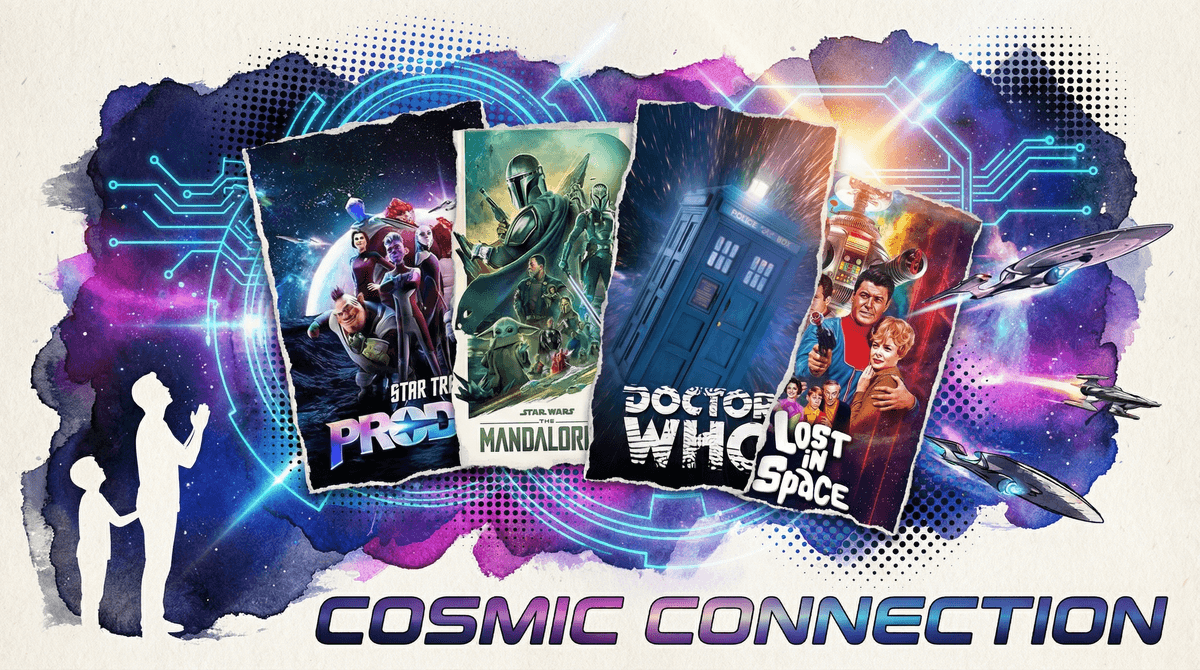
Science fiction TV isn't just spaceships and laser guns anymore (though those are still pretty cool). Today's sci-fi shows are asking the kinds of questions that used to be reserved for philosophy class: What makes us human? What happens when technology gets too powerful? How do we stay ethical when the rules keep changing?
Shows like The Mandalorian, Doctor Who, and Star Trek: Prodigy are essentially morality plays dressed up in cool costumes. They're using alien planets and future tech to explore very current questions about AI, surveillance, environmental collapse, and what it means to be a good person when the world is complicated.
And here's the thing: kids are already thinking about this stuff. They're growing up with AI chatbots, they're hearing about climate change, they're navigating digital identities. Sci-fi gives you a framework to talk about these big, scary topics through the safe distance of "what if?"
For kids: It's imagination on steroids. Sci-fi says "anything is possible" and then proves it. Plus, the best sci-fi treats young viewers like they're smart enough to handle complex ideas. Kids can sense when they're being talked down to, and good sci-fi never does that.
For parents: It's one of the few genres where you can have genuinely interesting conversations afterward. "What would you do if you could time travel?" is way more engaging than "so... did you like the show?"
Also, let's be honest: a lot of kids' programming is mind-numbing. Sci-fi tends to be the opposite. Even the "kid-friendly" stuff like The Wild Robot or Nimona has layers that make it watchable for adults.
Ages 5-8: Gateway Sci-Fi
Start with shows that have sci-fi elements but aren't heavy on existential dread:
- Star Wars: Young Jedi Adventures – Adorable, low-stakes space adventures
- Miles from Tomorrowland – Disney Junior's take on space exploration
- The Wild Robot – A robot learning to survive in nature (it's beautiful)
These shows introduce sci-fi concepts (robots, space travel, aliens) without the darker themes.
Ages 8-12: The Sweet Spot
This is when kids can start handling more complex narratives and moral ambiguity:
- Star Trek: Prodigy – Specifically made for this age group, tackles themes of freedom, identity, and doing the right thing
- Doctor Who (select episodes) – Time travel adventures with genuine heart. Pro tip: Start with David Tennant or Matt Smith eras, avoid the genuinely scary episodes (Weeping Angels, I'm looking at you)
- The Mandalorian – Space western with found family vibes. Some violence, but mostly laser blasters (no blood)
- Lost in Space (2018) – Family survival story in space with strong problem-solving themes
Ages 12+: Ready for the Deep End
Tweens and teens can handle shows that ask harder questions:
- The Expanse (ages 14+) – Realistic space politics and warfare. Warning: This is legit adult sci-fi with mature themes, but it's phenomenal for older teens
- Stranger Things (ages 13+) – 80s nostalgia meets sci-fi horror. You know this one. It's everywhere.
- Black Mirror (ages 16+) – Technology dystopia anthology. Seriously, screen these episodes first. Some are fine for mature teens, others are nightmare fuel for adults.
The Violence Question
Sci-fi violence is weird because it's often less visceral than realistic violence but more frequent. Laser blasters don't show blood. Robots getting destroyed doesn't feel the same as a person getting hurt. But the body count can be high.
You know your kid best. Some 10-year-olds are fine with frequent laser battles but can't handle emotional intensity. Others are the opposite. Talk to them about what bothers them .
.
The "Is This Too Scary?" Dilemma
Doctor Who is a perfect example: it's technically a family show, but some episodes are genuinely terrifying (empty child wearing a gas mask, anyone?). Watch the first episode of any series together before letting them binge. Gauge their reaction.
The Philosophy Stuff Is the Point
If your kid starts asking "but what if AI becomes smarter than us?" or "is it wrong to eat meat if animals are sentient?" – congratulations, the sci-fi is working. These shows are designed to make you uncomfortable in productive ways.
Don't shut down the weird questions. This is exactly where the good conversations live.
Representation Matters Here Too
Modern sci-fi is way better at representation than it used to be, but it's still not perfect. Shows like Star Trek: Prodigy and The Owl House (fantasy/sci-fi hybrid) have diverse casts and LGBTQ+ characters as just... normal parts of the universe. Which is how it should be.
Older sci-fi (classic Star Trek, Battlestar Galactica) can be more hit-or-miss. Worth discussing with older kids: "Why do you think most aliens in old shows looked like white humans with funny foreheads?"
Co-Watch When Possible
I know, I know. You're tired. But sci-fi is one of the few genres where co-watching actually pays off. You catch references they miss, they explain plot points you're confused about, and you both have something to talk about over dinner.
Ask Better Questions
Instead of "did you like it?" try:
- "What would you do in that situation?"
- "Do you think [character] made the right choice?"
- "Could that technology exist in real life? Would you want it to?"
- "Who was right in that argument?"
Connect It to Real Life
When they're watching The Mandalorian struggle with AI droids, that's your opening to talk about how AI is changing our world right now. When Star Trek shows a planet dying from environmental collapse, well... you get it.
Know When to Pause
If something intense happens, hit pause. "That was a lot. How are you feeling?" is a completely valid intervention. Especially with shows that deal with loss, war, or ethical dilemmas that don't have clean answers.
Science fiction TV is one of the best tools we have for preparing kids to think critically about the future they're inheriting. It's not just entertainment—it's imagination training and ethics practice wrapped in cool special effects.
The key is matching the content to your kid's maturity level (not just their age) and being available for the conversations that follow. Because the show itself is just the starting point. The real value is in what you do with it afterward.
Start with something age-appropriate from the list above, watch it together, and see where the conversation goes. You might be surprised by what your kid is ready to think about.
Ready to dive in? Pick one show from the appropriate age range and commit to watching the first three episodes together. Three episodes is usually enough to know if it's a good fit for your family.
Want more recommendations? Check out our full guides on family-friendly streaming options or alternatives to mindless screen time.
Have a specific show you're wondering about? See age-appropriateness ratings for a specific show or browse our media ratings and reviews.
And remember: there's no perfect answer here. Every kid is different, every family has different values, and what works for your neighbor might not work for you. Trust your gut, stay involved, and don't be afraid to hit the pause button—on the show or on the whole thing if it's not working.