The "Functional Family" Rare Find
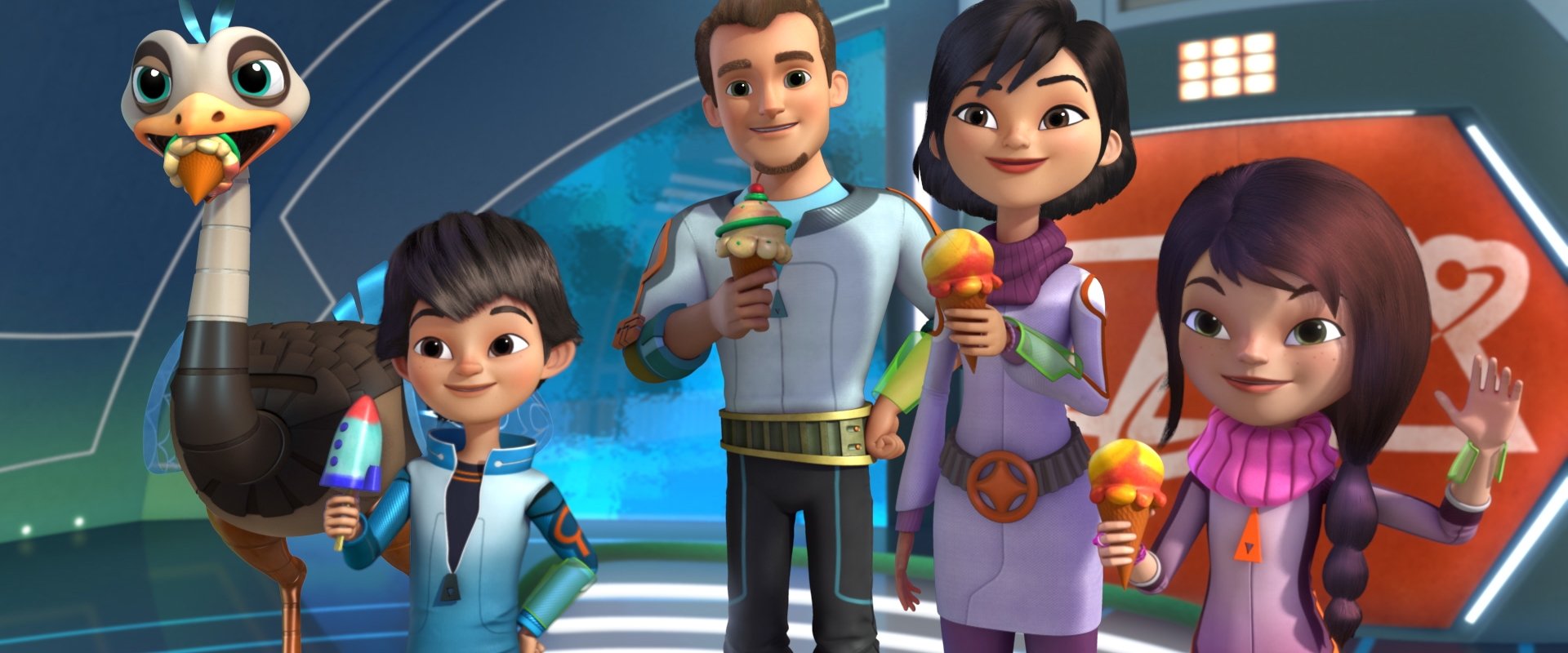
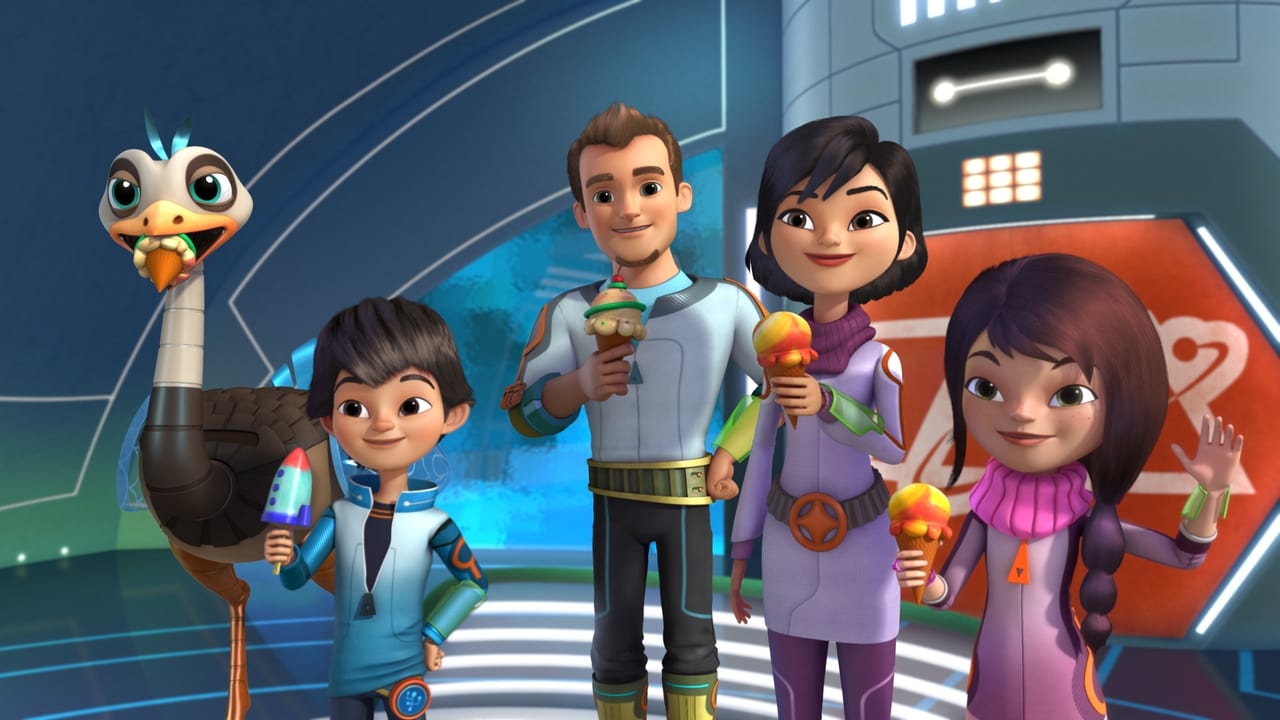
If you’ve spent any time watching modern preschool animation, you know the drill: the parents are usually well-meaning buffoons who need their toddlers to explain how a toaster works. Miles from Tomorrowland takes a different, much more satisfying route. The Callisto family is actually competent.
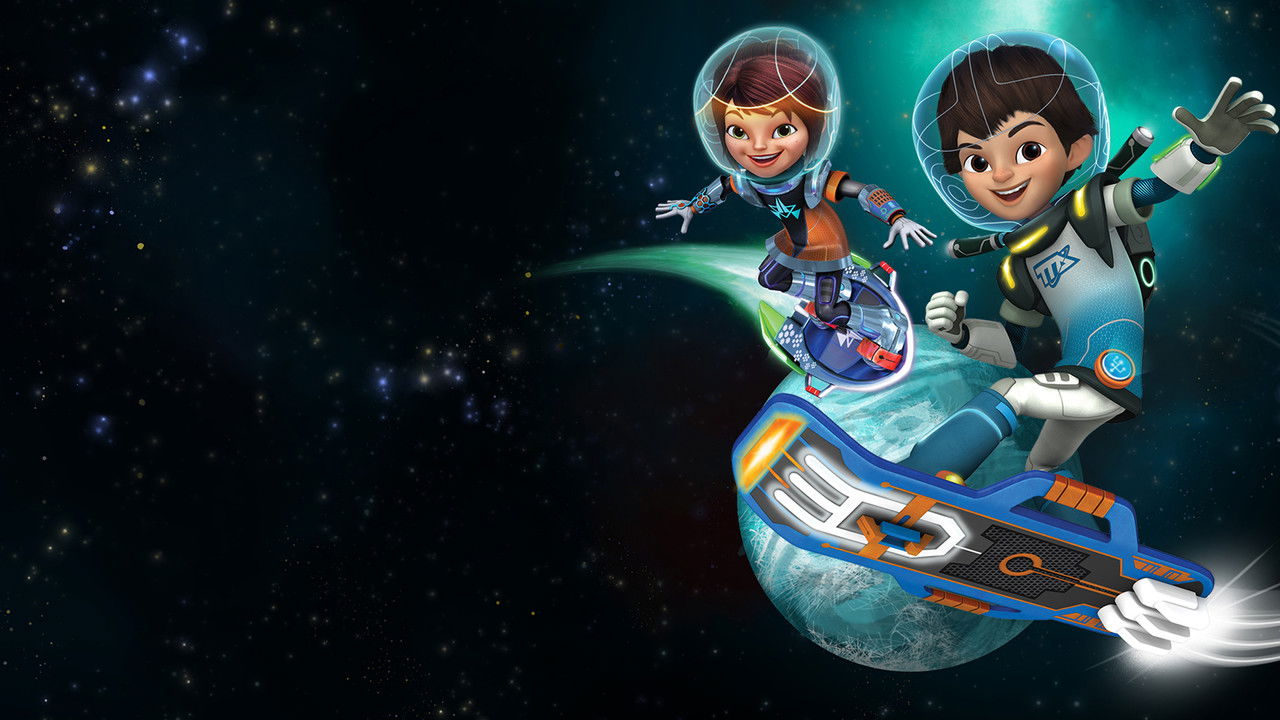
Phoebe is a capable captain, Leo is a talented engineer, and the kids are treated like junior crew members rather than baggage. This dynamic makes the show feel less like a "lesson of the day" delivery vehicle and more like a workplace drama for the five-year-old set. If your kid is currently obsessed with "helping" you around the house or building complex LEGO structures, they’ll vibrate on the same frequency as Miles and his tech-savvy sister, Loretta. It treats curiosity as a professional skill, which is a great vibe to have in the living room.
The Gateway to the Genre
This is the perfect entry point for science fiction TV for families. While the science is definitely "Disney science"—meaning it’s about 20% facts and 80% cool-looking gadgets—it introduces the core vocabulary of the genre. You’ve got black holes, exoplanets, and the "Tomorrowland Transit Authority," which gives the whole universe a sense of scale and bureaucracy that kids who love maps and systems will find addictive.
It sits in that specific niche between the pure fantasy of Star Wars and the rigid educational structure of something like Ready Jet Go!. It’s adventurous enough to keep them pinned to the couch but grounded enough that they might actually learn what a "light-year" is (vaguely) by the time the credits roll.
If Your Kid Liked Octonauts
The most direct comparison here isn't another space show; it’s Octonauts. If your household has already cycled through every episode of Captain Barnacles and his crew, Miles from Tomorrowland is the logical promotion.
The structure is nearly identical:
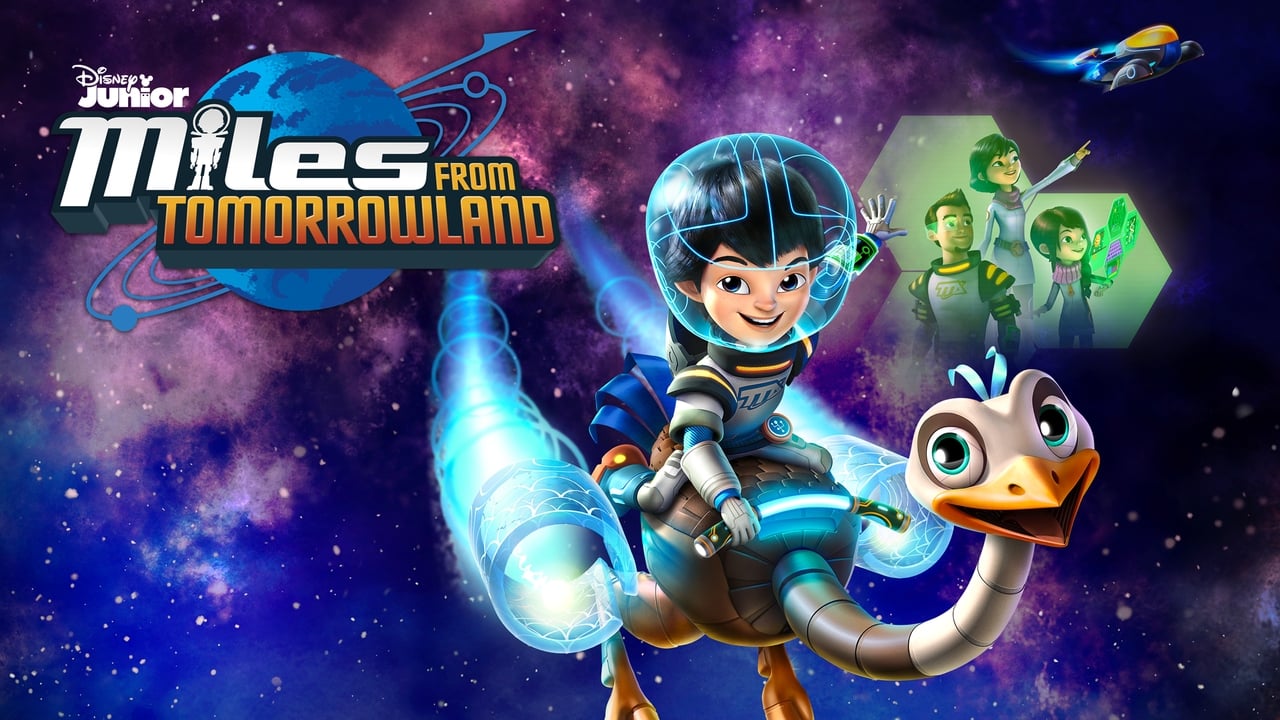
- A specialized vehicle (the Stellosphere) acts as a mobile home base.
- A diverse crew with specific jobs solves a "problem of the week."
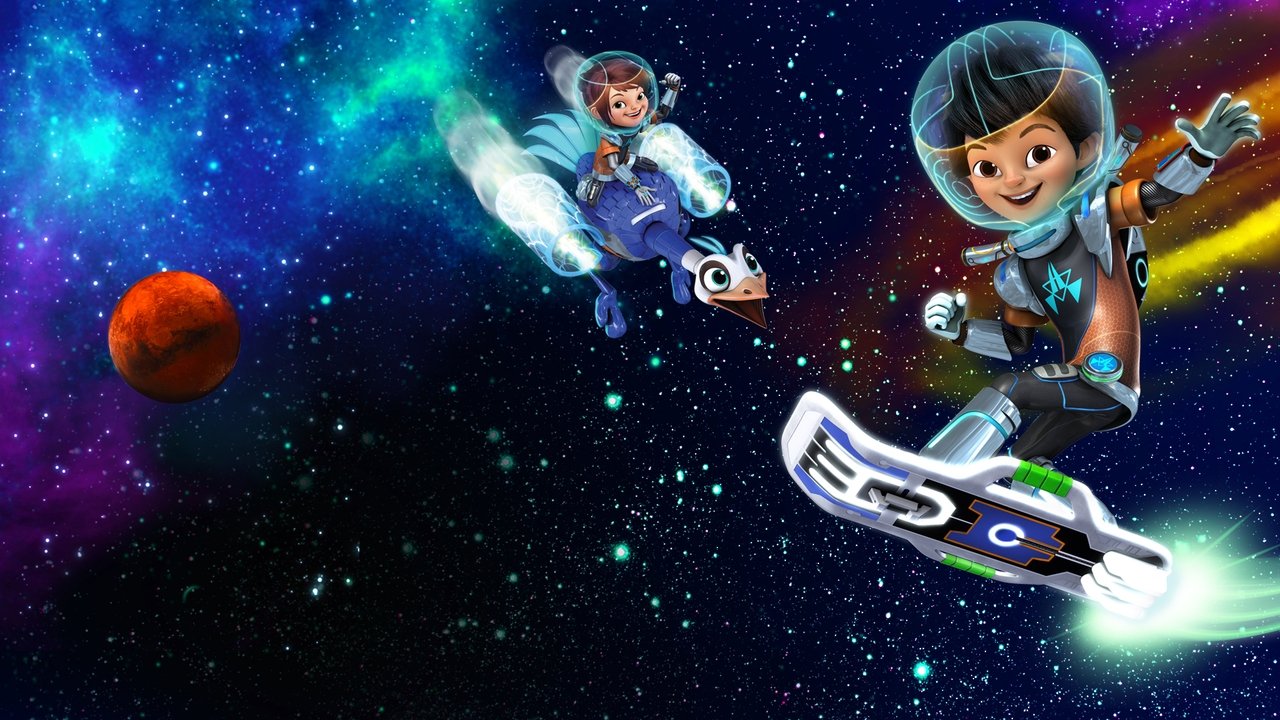
- A quirky non-human sidekick (Merc the robo-ostrich) provides the physical comedy.
The main difference is the stakes. While the ocean feels contained, the "Tomorrowland" universe feels infinite. This can be a double-edged sword; some kids might find the vastness of space a bit more abstract than a coral reef, but the show does a solid job of keeping the emotional stakes anchored to the family unit.
The 2015 Polish
Even though we’re looking at this from 2026, the production values hold up surprisingly well. Disney clearly put a real budget into the lighting and textures of the ships. It doesn’t have that flat, "flash-animated" look that plagues a lot of mid-2010s streaming filler. The gadgets look like they have weight, and the space environments are vibrant rather than just being black voids with white dots. It’s a polished experience that won’t make you want to check your phone while your kid watches it for the third time today.