

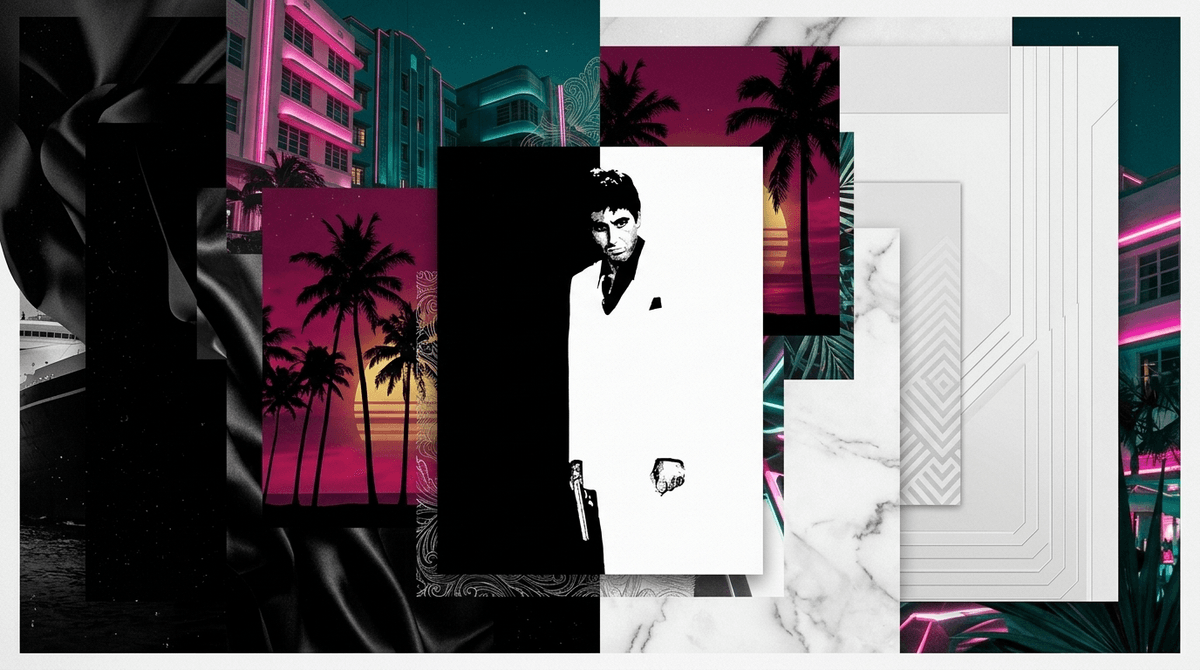
Scarface is the movie your kid has probably already seen on a T-shirt, a dorm room poster, or a Grand Theft Auto V loading screen. It is the ultimate R-rated rite of passage, a three-hour descent into the cocaine-fueled madness of the 1980s Miami drug trade. If your teen is asking to watch it, they aren't looking for a history lesson; they're looking for the origin story of modern "hustle culture" and the most quoted lines in cinema history.
TL;DR
Scarface is a high-decibel, incredibly violent crime epic that serves as a cautionary tale about the American Dream gone sideways. While it's a cinematic masterpiece, it earns its R rating with record-breaking profanity, graphic drug use, and the infamous "chainsaw scene." It lands best for older teens (16+) who can look past the cool suits and catchphrases to see the tragedy of Tony Montana's self-destruction.
The biggest hurdle with Scarface isn't just the gore; it's the way the culture has flattened Tony Montana into a hero. To a 15-year-old, Tony looks like the ultimate self-made man: he starts with nothing, takes what he wants, and ends up in a mansion with a tiger. But Brian De Palma didn't make a "how-to" guide for success. He made a horror movie disguised as a crime thriller.
If your kid is into Grand Theft Auto V or shows like Narcos, they’ve already been swimming in the aesthetic that this movie created. Watching the original is a chance to see that Tony’s "success" lasts about twenty minutes before his paranoia, drug addiction, and ego burn everything to the ground.
You know the movie is intense, but here is the specific breakdown of what actually happens on screen so you can make the call.
The Violence
It isn't constant, but when it hits, it’s graphic. The "chainsaw scene" is the one everyone talks about. While the actual dismemberment happens off-camera, the sound, the blood splashing on Tony’s face, and the sheer tension make it a heavy lift. The final shootout is a literal bloodbath, featuring dozens of deaths and enough artillery to arm a small country.
The Drugs
Cocaine is practically a lead character. It’s snorted, traded, and piled into literal mountains on Tony’s desk. Unlike some movies that glamorize the "high," Scarface is pretty clear that the drug is what turns Tony from a sharp, ambitious immigrant into a sweating, irrational mess.
The Language
At the time of its release, Scarface broke records for the number of times the F-word was used (over 200). If your household is sensitive to "salty" language, this movie is a salt mine. There is also a significant amount of period-accurate (but still jarring) sexism and casual slurs.
Usually, the interest comes from the movie's massive footprint in hip-hop and gaming. It’s a foundational text for anyone interested in how pop culture works.
Understanding the cultural legacy of the film is often more interesting to a teen than the plot itself. Tony Montana represents a specific, distorted version of the American Dream that resonates with people who feel like outsiders. Talking about why Al Pacino’s performance is so iconic—and why so many people ignore the ending where he dies alone in a fountain—is where the real conversation is.
If you decide your teen is ready, don't just hand them the remote and walk away. This is one of those "do it with them" movies. Not because you need to cover their eyes, but because the movie is long, loud, and prone to being misinterpreted.
Ask them about the ending. Most kids remember the "Say hello to my little friend" moment. Ask them what happened five minutes after that. Tony dies a miserable, lonely death because he pushed away everyone who actually cared about him. Is he still a "boss" if he has no friends and no family left?
Compare it to the classics. If they like the grit of Scarface, they might be ready for the more subtle storytelling of The Godfather or the fast-paced energy of Goodfellas. Scarface is the opera of mob movies—it’s loud and over the top. The others are more like chess matches.
Watch the "hustle." Tony Montana is obsessed with "the world is yours." Ask your teen what Tony actually did with the world once he got it. He sat in a dark room snorting his own product and yelling at his security cameras. It’s a great jumping-off point for talking about the difference between having money and having a life.
Q: What age is Scarface appropriate for? Most parents find that 16 is the sweet spot. While the rating is R, the "why" matters more than the age. If your teen can handle heavy themes of betrayal and doesn't just see the violence as "cool," they're probably ready.
Q: Is Scarface worse than The Godfather? In terms of pure "shock" value, yes. Scarface is much more graphic, louder, and uses significantly more profanity. The Godfather is a prestige drama; Scarface is a visceral explosion.
Q: What is the "chainsaw scene" everyone mentions? Early in the movie, Tony is involved in a drug deal gone wrong in a motel room. His friend is killed with a chainsaw. You don't see the blade hit bone, but you see the blood and hear the screams. it's the most intense scene in the film.
Q: Is there a "clean" version of Scarface? There are TV edits that cut the profanity and the most graphic violence, but they usually ruin the pacing and the intent of the film. If you're going to watch it, the uncut version is the only way to get the full, albeit brutal, experience.
Scarface isn't a "fun" family movie night pick, but it is a monumental piece of film history. If your teen is mature enough to handle the 1980s-intensity of the violence and drug use, it’s a masterclass in acting and directing that offers a lot to talk about regarding greed and the price of "making it." Just be prepared for them to quote Tony Montana for the next six months.
If your teen is diving into the world of classic cinema or crime epics, check out these curated lists to find the next watch:
