The world that won't go away
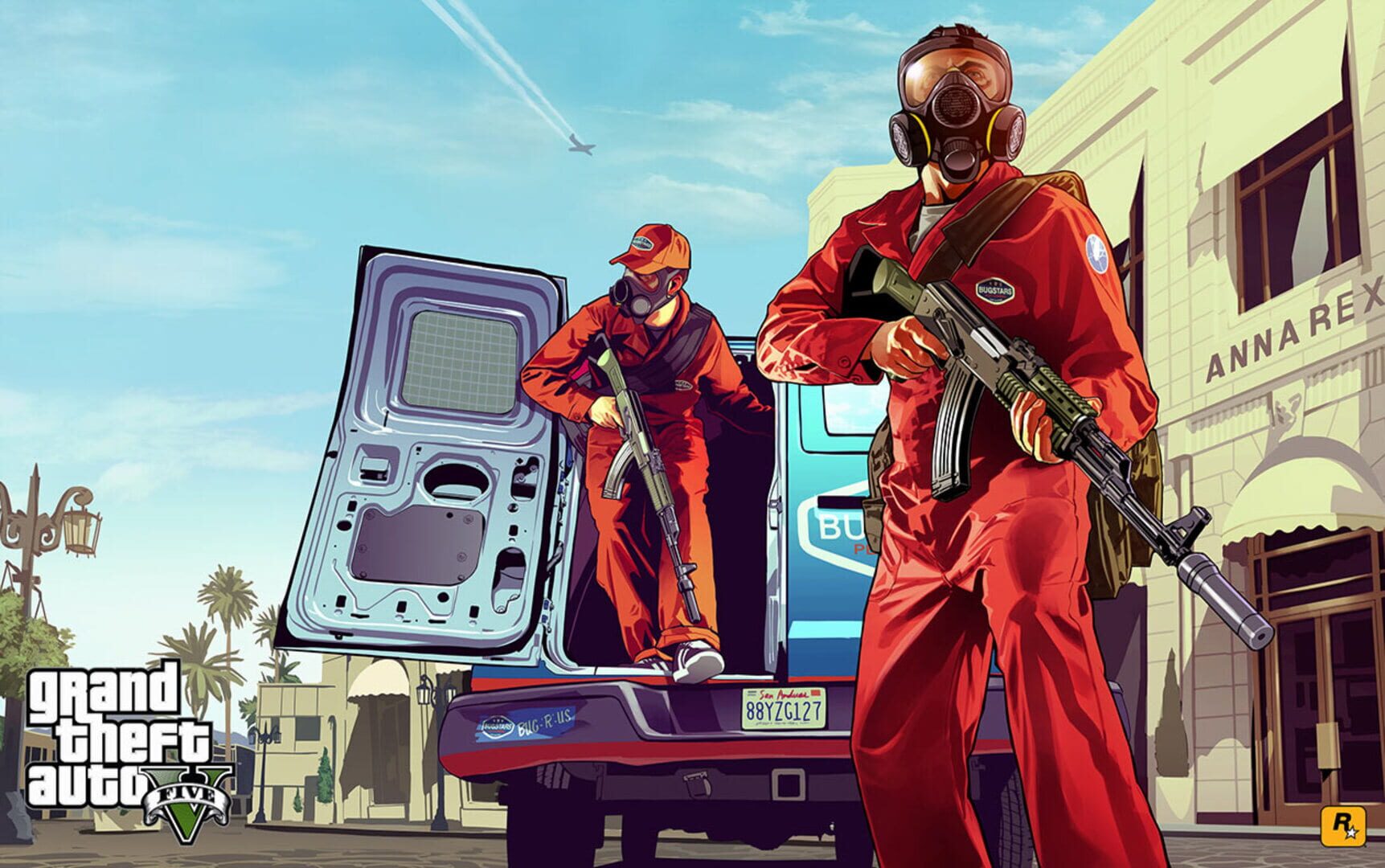
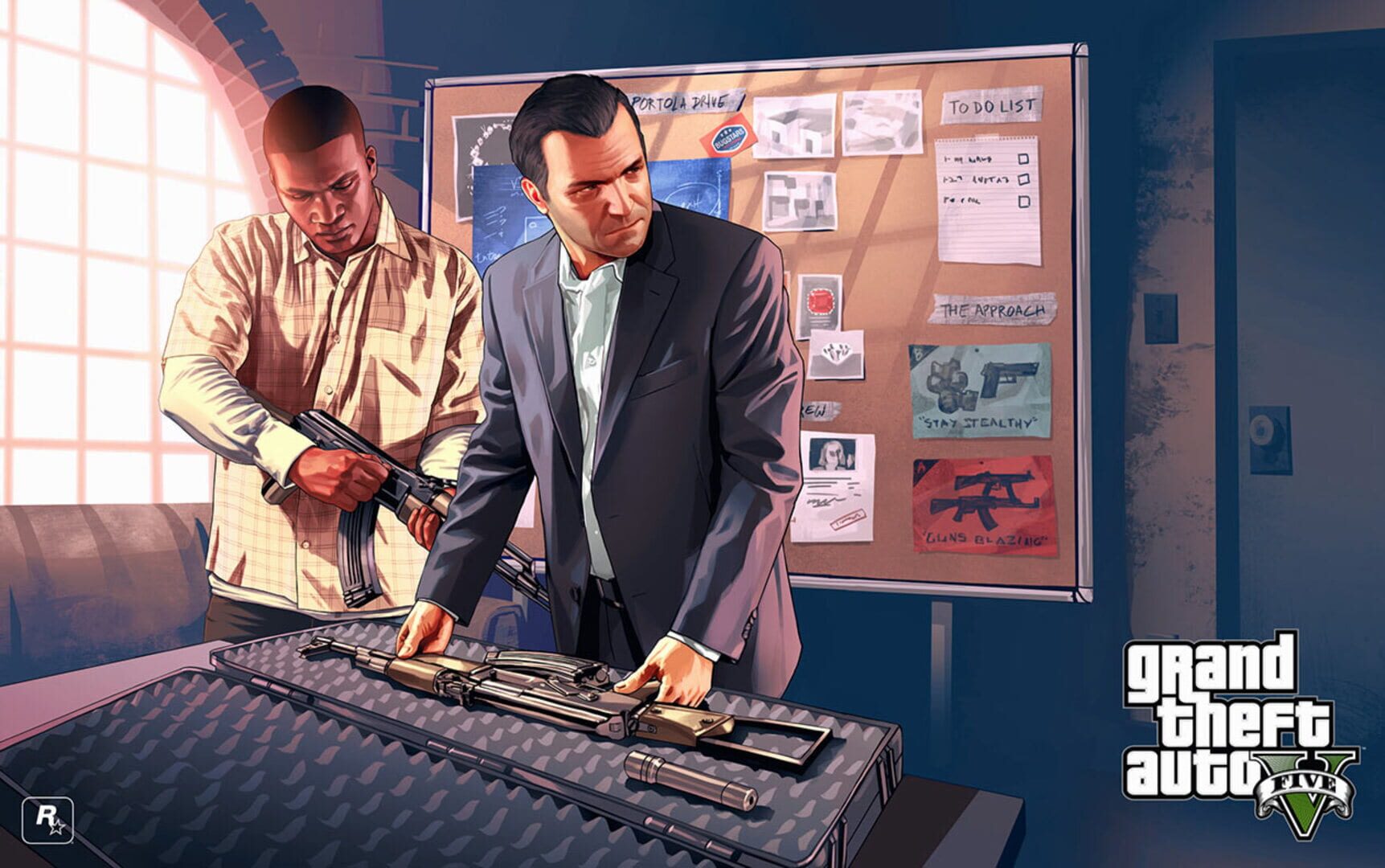
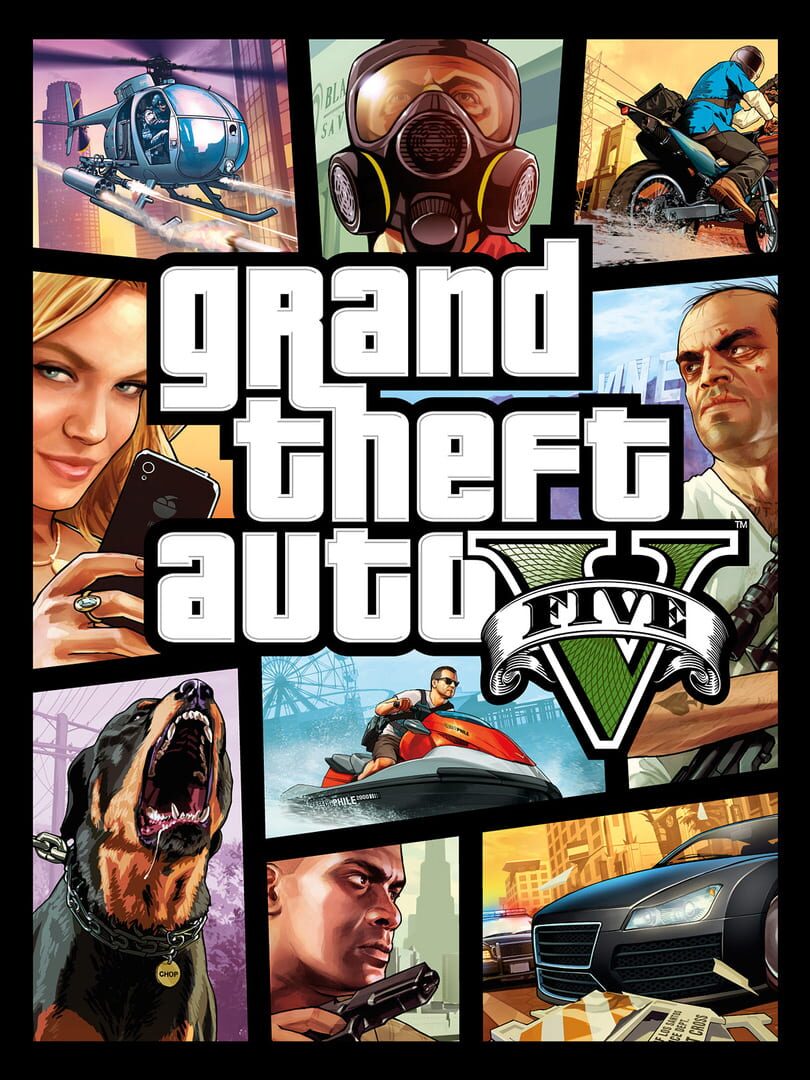
Even in 2026, Grand Theft Auto V remains the gravity well of the gaming industry. It is a technical marvel that has survived three console generations, and for good reason. The fictional city of Los Santos is a masterpiece of world-building. It’s a sun-drenched, nihilistic playground where the attention to detail—from the way the radio stations skew American culture to the sheer scale of the mountains and city streets—is still unmatched by most modern releases.
For an adult, it’s a brilliant, cynical piece of interactive fiction. For a kid, it’s the ultimate "forbidden fruit" because it represents total digital autonomy. Most children aren't asking to play this because they want to engage with a complex narrative about the death of the American dream; they want it because you can drive a car off a skyscraper, fly a jet under a bridge, and exist in a world with no guardrails.
The sandbox siren song
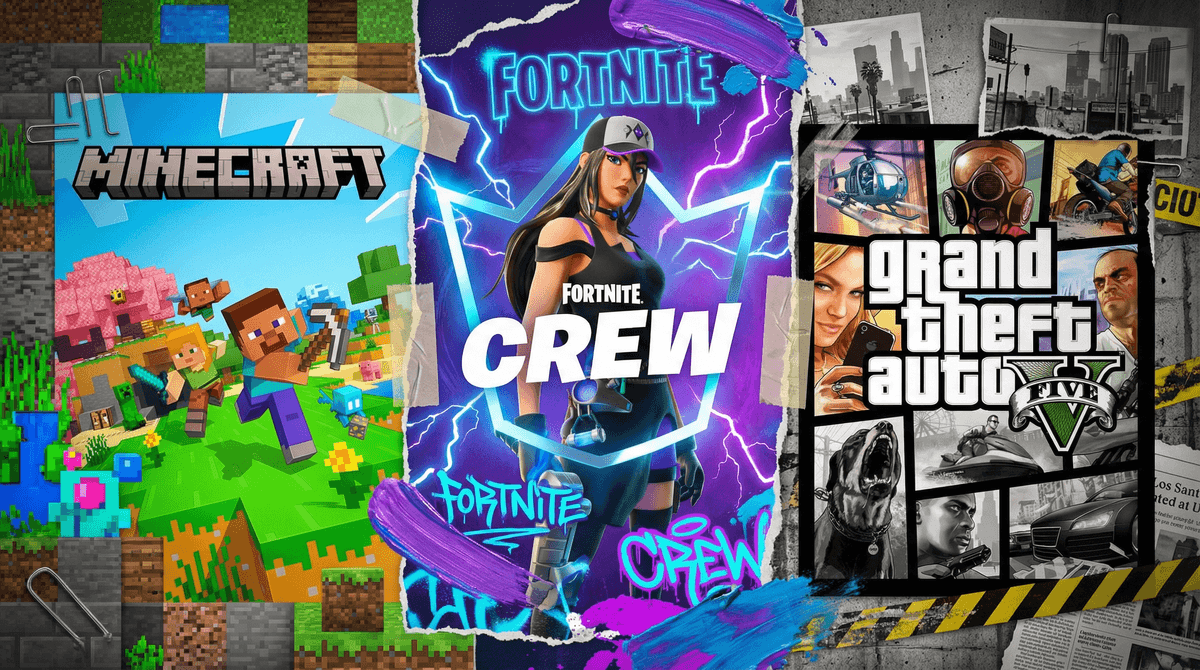
If your child is obsessed with the idea of GTA, they are likely chasing the freedom of the sandbox. This is the same impulse that drives kids toward Minecraft or Roblox, just dressed up in a photo-realistic, R-rated suit. The problem is that in Los Santos, that freedom is inextricably linked to antisocial behavior.
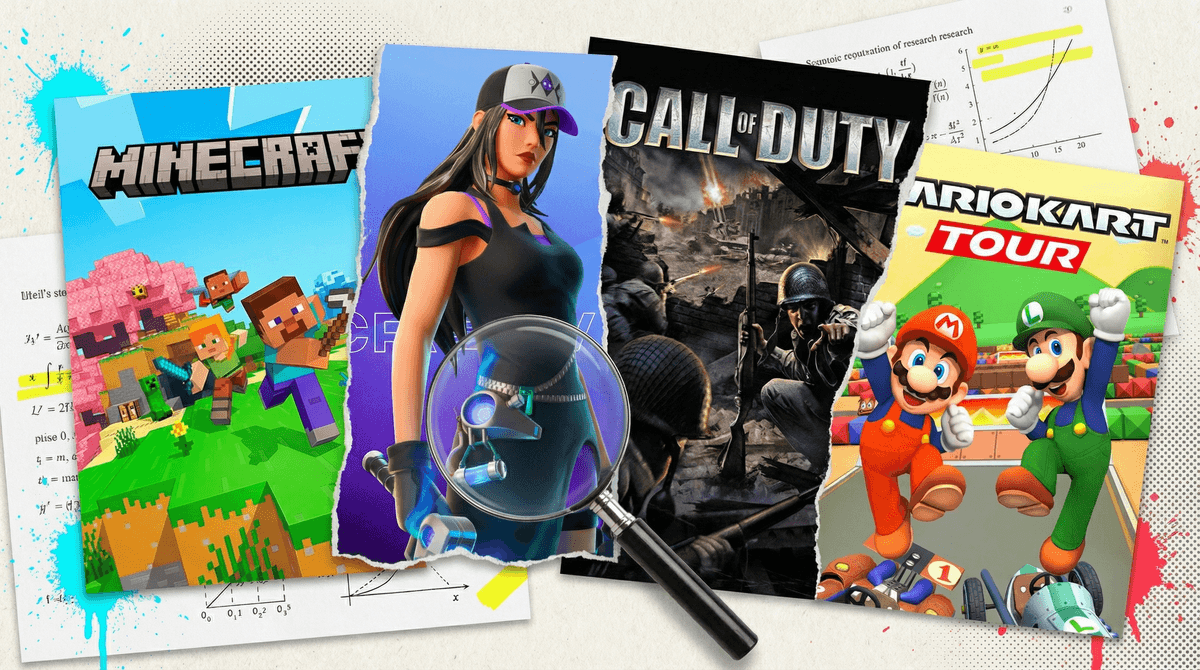
The game doesn't just allow for violence; it requires it to progress. While a 14-year-old might argue they just want to "drive around," the game’s core loop is built on heist mechanics, drug running, and a level of casual cruelty that is hard to ignore. If you’re looking for that same sense of open-world discovery without the strip clubs and torture sequences, there are better ways to scratch that itch. You can find several age-appropriate alternatives to Grand Theft Auto that offer massive worlds to explore without the M-rated baggage.
The multiplayer minefield
While the single-player story is heavy enough, the real longevity of this game—and the thing your kid is likely seeing on social media—is the multiplayer component. This is a sprawling, lawless digital space where the barrier between "playing a game" and "interacting with toxic strangers" is razor-thin.
Unlike the structured environments of younger-skewing titles, the multiplayer here is designed to be a high-stakes grind. It’s a place where players are encouraged to grief one another, and the social interactions can turn sour fast. If your teen is pressuring you to let them join their friends in Los Santos, it’s worth reading up on what parents need to know about GTA Online before you make a decision. The presence of in-game casinos and the constant pressure to spend real money on "Shark Cards" to keep up with friends adds a layer of financial friction that many parents aren't prepared for.
Decoding the "Mature" tag
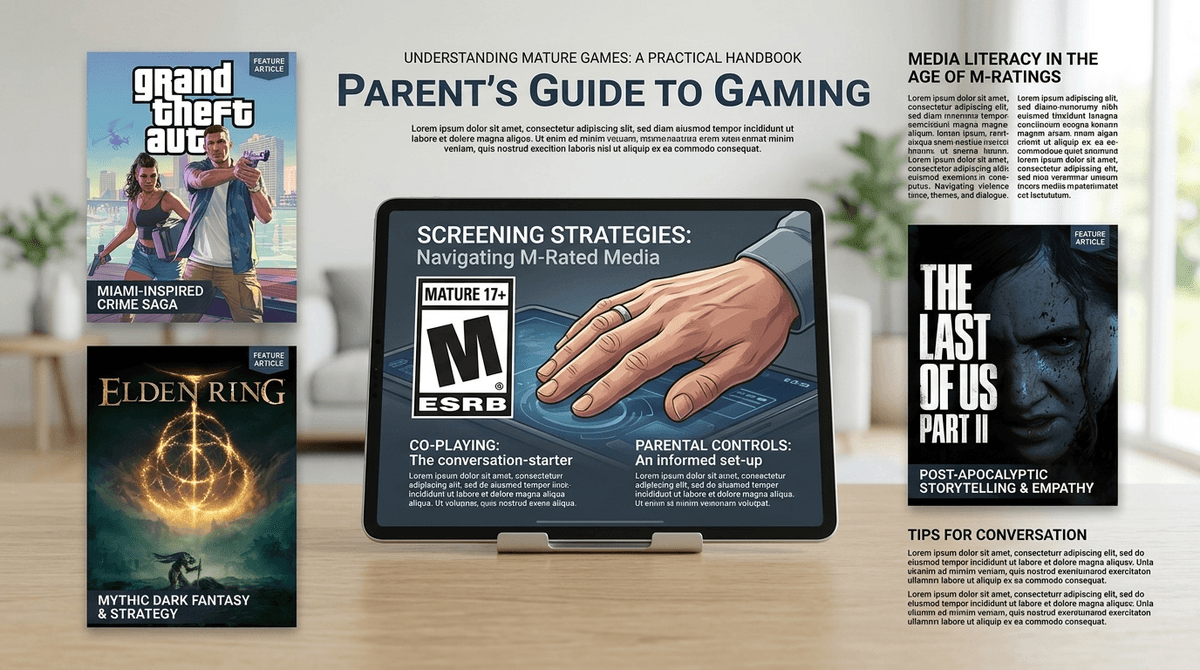
We often see parents treat an M-rating like a PG-13 movie—a suggestion rather than a rule. With GTA V, that’s a mistake. The "Mature" label here isn't just about a few stray swear words; it’s about the fundamental tone of the experience. It is a game designed by adults, for adults, as a satire of adult problems.
When a kid plays this, the satire almost always flies over their head, leaving only the raw, unfiltered content. If you're struggling to explain why you're saying no when "everyone else is playing it," it helps to have a clear understanding of what 'Mature' actually means in video games. This isn't about being a buzzkill; it's about recognizing that some media is built for a level of life experience that a middle-schooler simply hasn't reached yet.