The Anti-Godfather
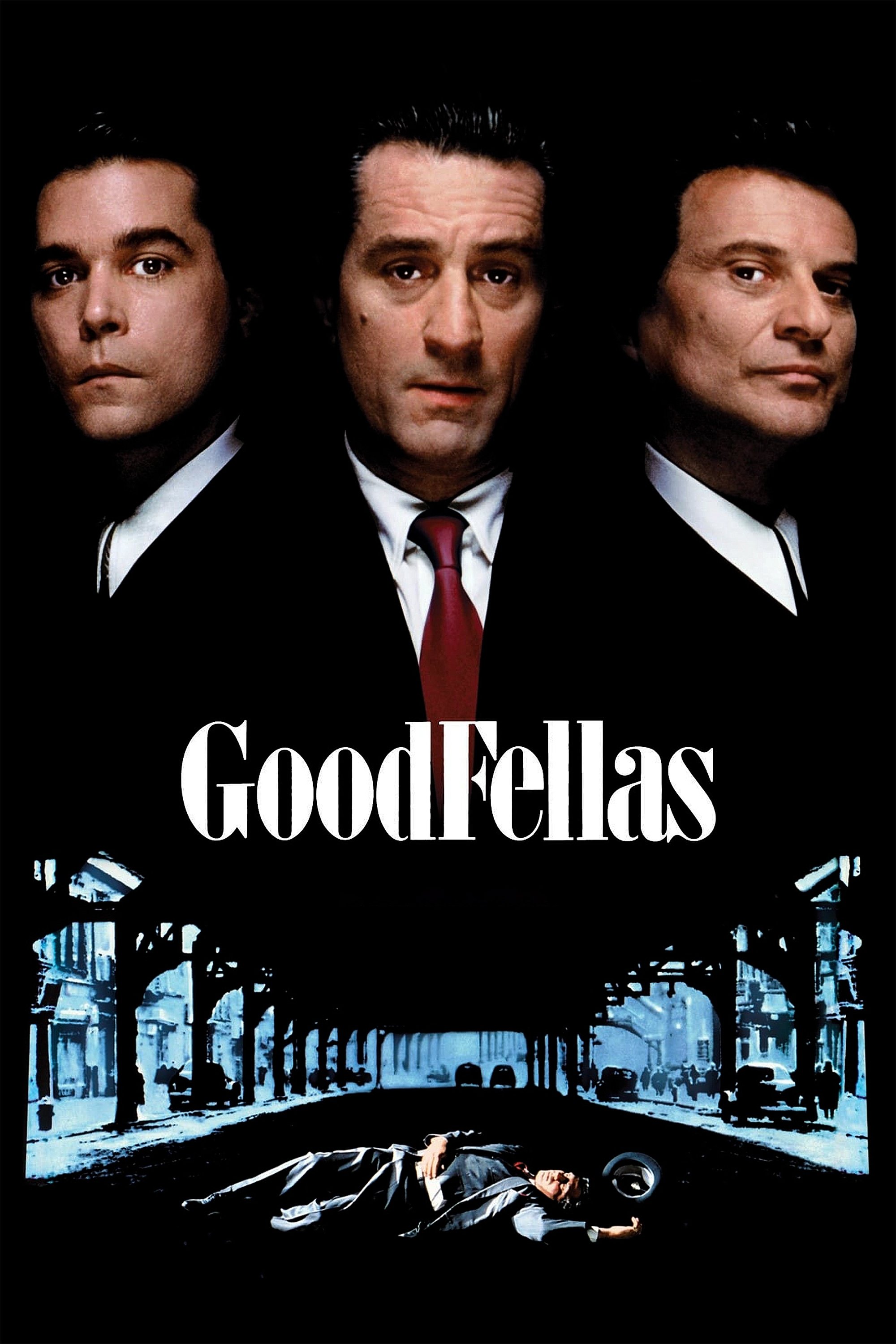
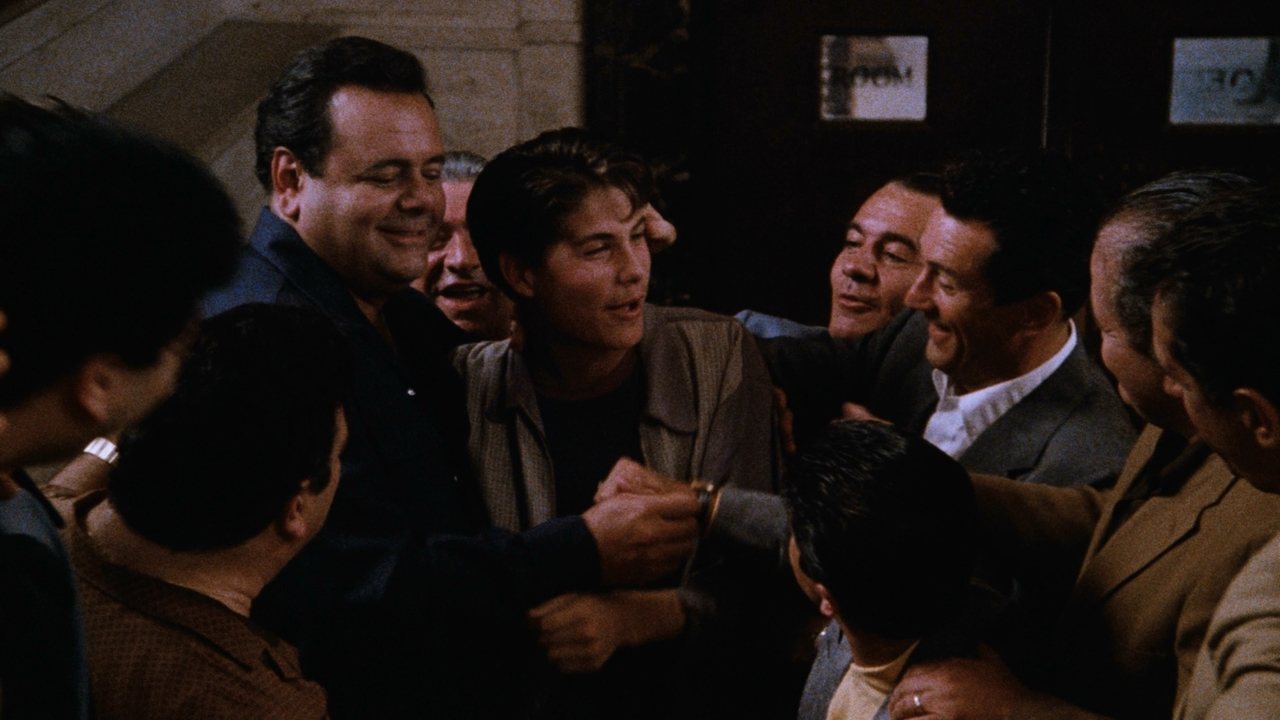
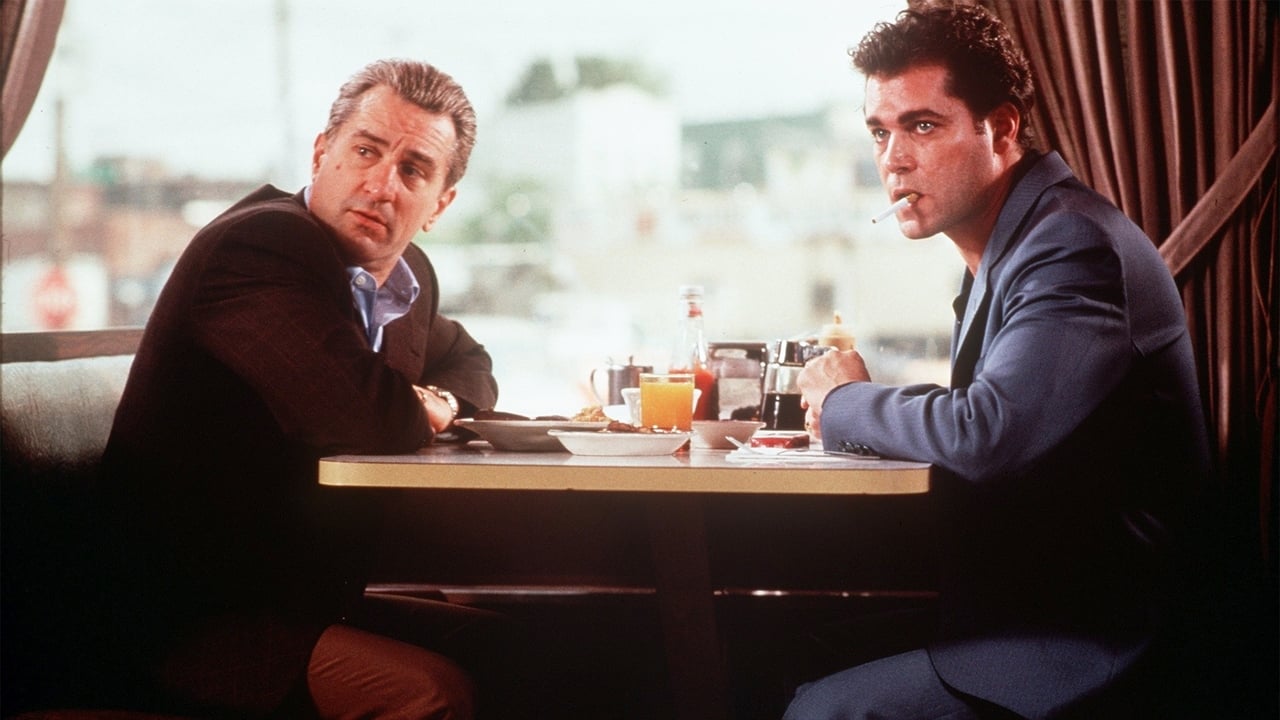
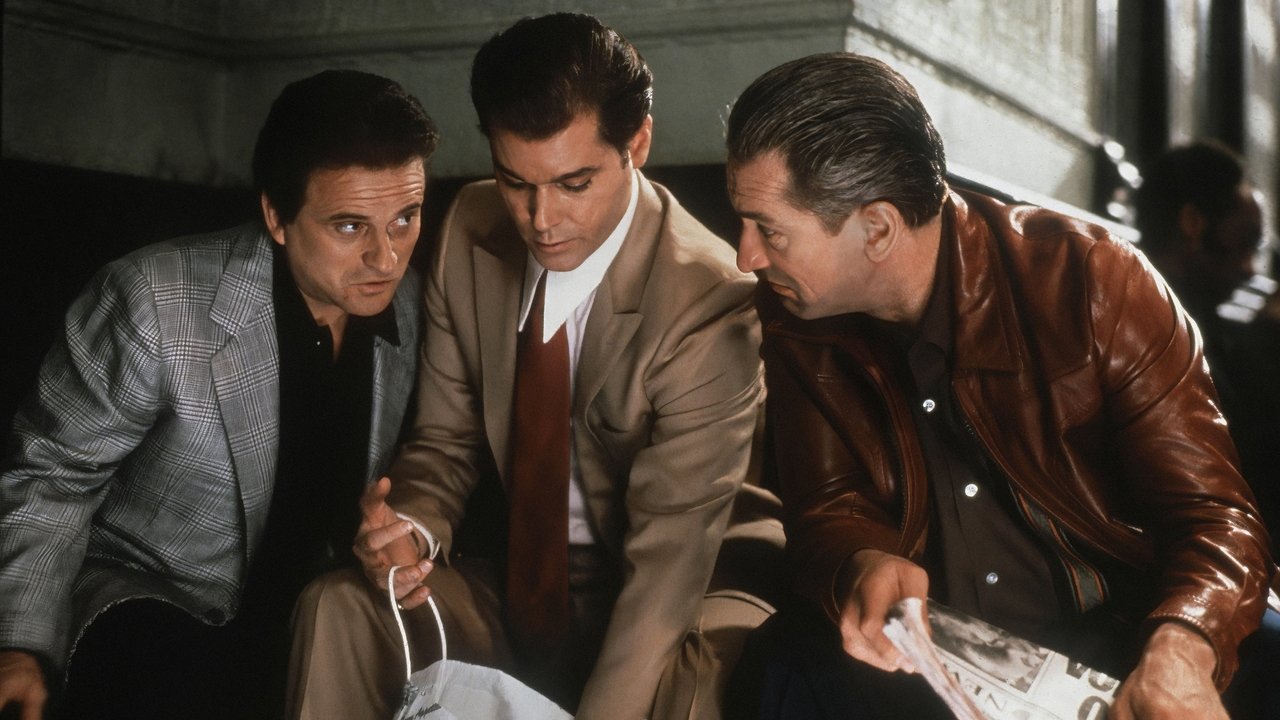
While The Godfather is a Shakespearean tragedy about kings and princes, Goodfellas is a documentary-style dive into the gutter. Based on Nicholas Pileggi's book Wiseguy, it tells the true story of Henry Hill with a level of detail that feels almost voyeuristic.
The reason this movie holds up so well in 2026 isn't just the violence—it's the energy. Scorsese uses every trick in the book: freeze frames, voiceovers, and that famous three-minute Steadicam shot through the back of the Copacabana. It’s designed to make you feel as seduced by the lifestyle as Henry was, right before it slams the door on your fingers.
Why the Violence Matters
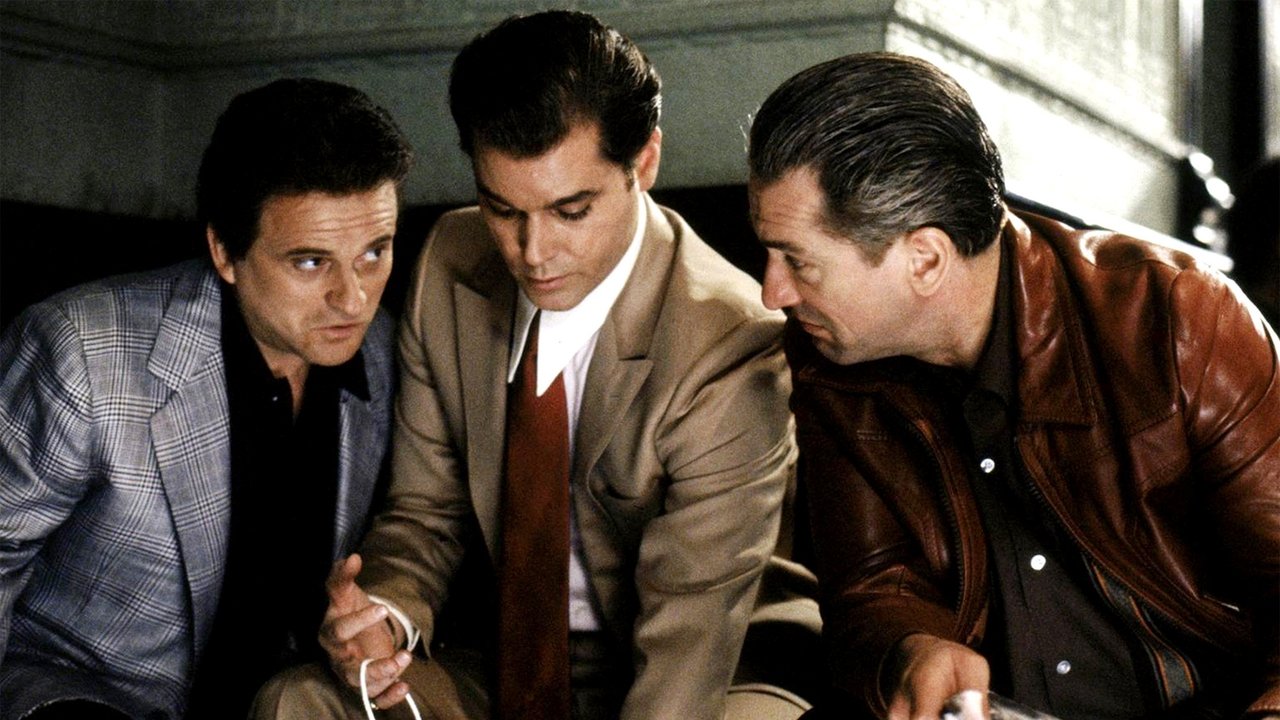
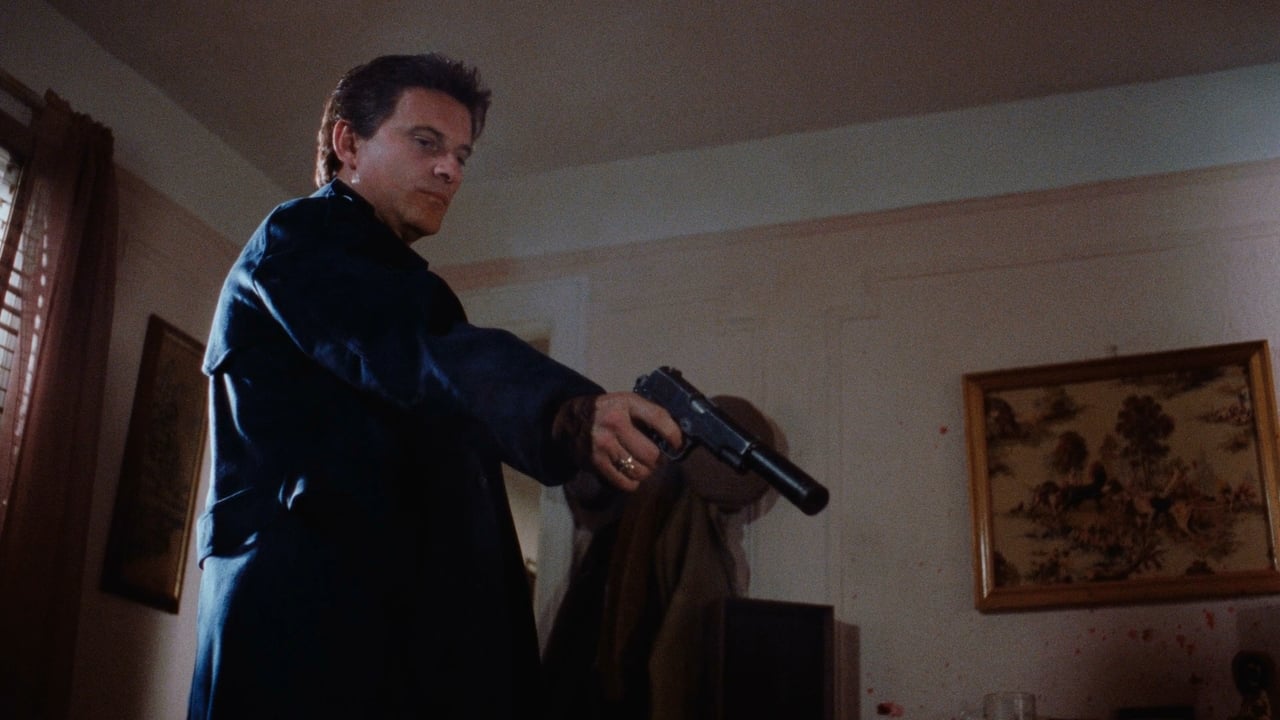
The violence in Goodfellas isn't 'cool' action-movie violence. It’s sudden, petty, and often pathetic. Joe Pesci’s Tommy DeVito is a walking trigger; he kills people over minor insults or just because he’s bored. For an older teen, this is a vital distinction. It shows that the 'respect' these men demand is actually just fear, and that fear eventually eats everyone alive.
The Final Descent
The last 20 minutes of the film—the 'May 11th, 1980' sequence—is some of the most influential filmmaking of the last 40 years. It’s a masterclass in portraying paranoia. Between the helicopters, the pasta sauce, and the cocaine, it’s a frantic, vibrating mess that perfectly mirrors Henry’s crumbling life. It’s the ultimate 'don't do drugs' PSA, far more effective than anything you'd see in a classroom.