

TL;DR: The Pokémon Ecosystem in 2026
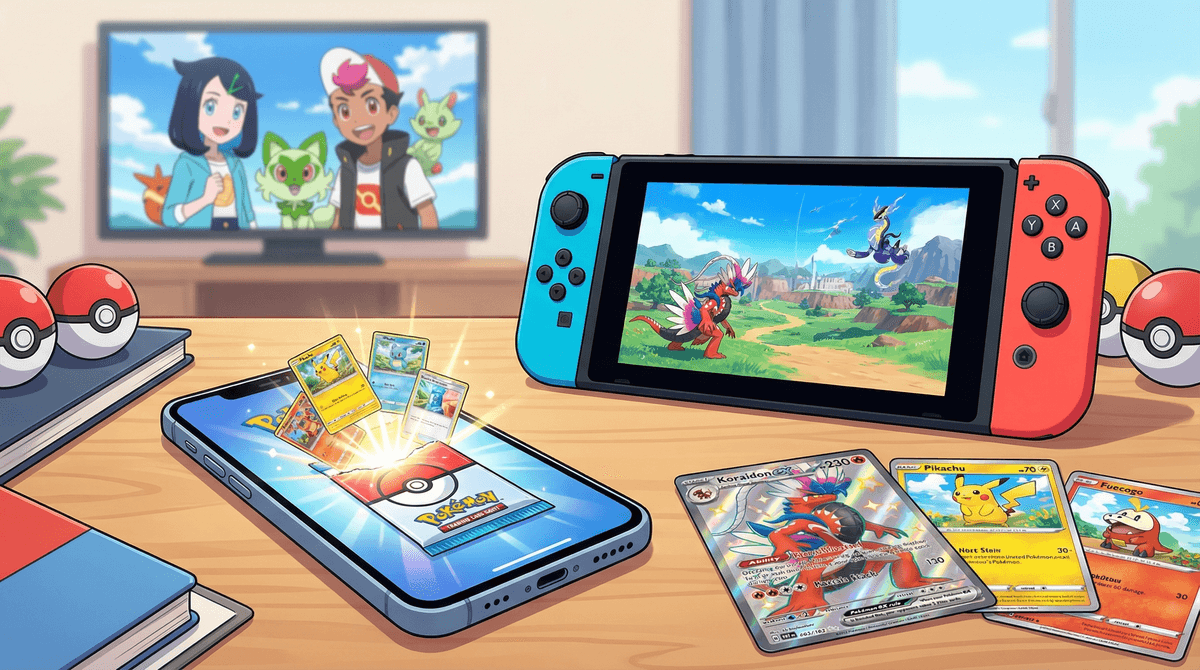
If your kid is asking for "packs," "gems," or talking about "full-art cards," they are deep in the Pokémon ecosystem. It’s no longer just a gameboy game from the 90s; it’s a multi-platform financial and social whirlwind. Here is the quick list of what’s actually relevant right now:
- The New Hotness: Pokémon TCG Pocket – The mobile app that has replaced physical cards for many kids. It’s free to start but very "loot-box" heavy.
- The Console Standard: Pokémon Scarlet and Violet – The main Nintendo Switch titles. A bit buggy, but the gold standard for actual gameplay.
- The Physical Hobby: Pokémon Trading Card Game – Still massive on schoolyards. It’s 50% strategy game, 50% unregulated playground stock market.
- The "Active" App: Pokémon GO – Still around, still great for getting kids to walk, but the hype has leveled off to a steady hum.
- The Show: Pokémon Horizons – The new era of the anime on Netflix. No more Ash and Pikachu; it’s a fresh start for new fans.
See the best Pokémon games for 7-year-olds
Pokémon is the highest-grossing media franchise in history. Yes, bigger than Star Wars, bigger than Marvel. In 2026, it’s a "transmedia" monster. Your kid might watch the show on Netflix, play the game on their Switch, collect physical cards to trade at lunch, and open digital packs on their phone before bed.
The core loop is always the same: Collect, Battle, Trade. But the way they do those things has changed significantly with the recent release of mobile-first apps that prioritize the "unboxing" experience over the actual battling.
It’s the ultimate "low floor, high ceiling" hobby. A 6-year-old can love Pikachu because he's cute. A 12-year-old can love it because they are calculating "EV" (Effort Values) and "IVs" to build a competitive team that can win actual tournaments.
It also provides massive social currency. Knowing which cards are "rare" or having a high-level team in Pokémon Scarlet and Violet is a major way kids connect. It’s the "Ohio" of hobbies—if you aren't in on it, you're an outsider.
The physical Pokémon Trading Card Game is currently experiencing a massive resurgence. However, most kids don't actually know how to play the game. They are "collectors."
The Parent Trap: Kids will beg for "Elite Trainer Boxes" or "Booster Bundles." They are looking for "hits"—cards with holographic foil, textured art, or "alternate art" that can be worth anywhere from $5 to $500.
The Reality: This is essentially gambling for minors. The dopamine hit of ripping open a foil pack is real. If your kid is obsessing over the dollar value of their cards rather than the game itself, it’s time to have a conversation about how to handle digital and physical collecting.
This is the big shift for 2026. The Pokémon TCG Pocket app is a streamlined, mobile-only version of the card game.
- The Good: It’s a very polished, beautiful app. It teaches the actual rules of the game better than the physical cards do. It’s also "free" to open two packs a day.
- The Bad: It is designed with every "dark pattern" in the book. Timers, premium currencies (Poke Gold), and flashy animations meant to make the card-opening process feel like a slot machine.
- The Verdict: It’s a great way to save money on physical cards, provided you lock down the in-app purchases.
Ages 7+ These are the "main" games. They are open-world, meaning kids can run around a massive map catching creatures.
- Pros: Huge sense of adventure; great cooperative play features.
- Cons: Honestly? The graphics are kind of a mess. The game stutters and looks like it was made ten years ago. Kids don't care, but you’ll wonder why you paid $60 for it.
Ages 5+ The anime has finally moved on from Ash Ketchum. Pokémon Horizons follows Liko and Roy. It’s much more serialized and has a more modern "adventure" feel than the repetitive "gym battle" episodes of the past. It’s high-quality "brain rot" antidote—it actually has a plot.
Ages 4+ If you want to gamify bedtime, this is it. You put the phone on the mattress, and it tracks your sleep. The better you sleep, the more Pokémon show up in the morning. It’s weird, it’s niche, but it’s the only app that actually encourages less screen time.
Ages 10+ This is a "MOBA" (like League of Legends but with Pikachu). It’s fast-paced, team-based, and highly competitive.
- Warning: This is the most "toxic" corner of the Pokémon world. The chat is limited, but the pressure to spend money on "skins" (costumes for Pokémon) is intense.
Check out our guide on the safest Pokémon apps for younger kids
- Ages 5-7: Stick to the Pokémon TV app or Pokémon Playhouse. Avoid the TCG (physical or digital) as the "value" aspect is too confusing and leads to tears when a "friend" trades them a common card for their rare holographic.
- Ages 8-10: This is the sweet spot for Pokémon Scarlet and Violet. They can read well enough to understand the moves and can start learning the strategy of the Pokémon Trading Card Game.
- Ages 11+: This is when they start looking at YouTube creators like Leonhart who do "massive pack openings." Be aware that these videos distort a kid's sense of reality regarding how easy it is to find expensive cards.
The biggest headache you will face isn't the screen time—it's the schoolyard trades.
Kids are notoriously bad at fair trades. Your child will come home crying because they traded a "Gold Star" Rayquaza for a "cool looking" fake card someone printed at home.
- Pro Tip: Teach your kids about "proxy" or fake cards. A lot of cards sold at flea markets or traded at school are fakes.
- The Rule: Many parents implement a "no trading at school" rule, or a "trades must be cleared by a parent" rule to avoid the inevitable playground heartbreak.
Instead of just saying "stop looking at those cards," use it as a bridge to talk about value and marketing.
- The "Slot Machine" Talk: When playing Pokémon TCG Pocket, ask: "Why do you think the app makes such a big deal with the lights and sounds when you open a pack?"
- The "Entrepreneur" Talk: If they want to sell cards on eBay or at a local card shop, help them research the actual sold prices on TCGPlayer. It’s a great lesson in supply, demand, and condition (and why we don't chew on the corners of our cards).
Get a script on how to talk to your kid about "gacha" mechanics
Pokémon is generally a "safe" interest. It’s not violent in a realistic way, it encourages reading and strategic thinking, and it has a massive community.
However, in 2026, the franchise is leaning harder into monetization. Whether it’s the $100 "Ultra Premium Collection" boxes at Target or the "Poke Gold" in the Pokémon TCG Pocket app, the goal is to keep your kid pulling the lever.
If you keep the focus on battling (the actual game) rather than collecting (the financial speculation), Pokémon remains one of the best ways for kids to develop a hobby that can last a lifetime.
- Check the phone: If they have Pokémon TCG Pocket, check the "Screen Time" settings to see how much time is spent just opening packs vs. playing.
- Buy a Playmat: If they have physical cards, buy a two-player playmat and sit down to learn the actual rules. It turns a "gambling" hobby into a "board game" hobby.
- Audit the Binder: Every few months, go through their card binder with them. It’s a great way to see what they value and catch any "bad trades" before they become a massive issue.
Learn more about setting up a Nintendo Account for your child