The "Soccer Match" of Pokémon
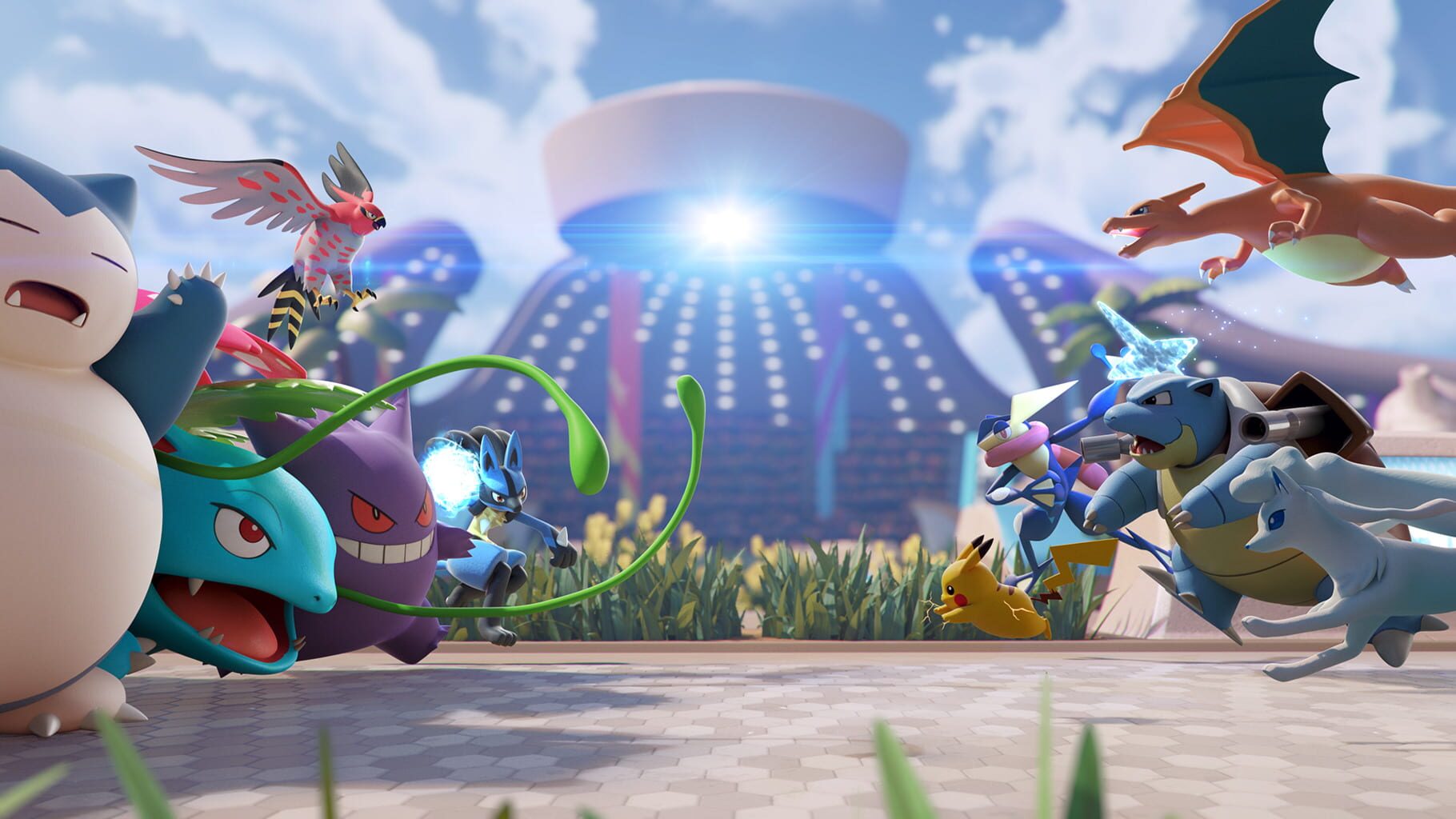
If your kid grew up catching monsters in the tall grass, Pokémon Unite is going to feel like a shock to the system. This isn't a slow-paced adventure; it’s a high-speed digital sport. Think of it less like a traditional RPG and more like a 10-minute game of basketball where you can throw fireballs at the opposing team.
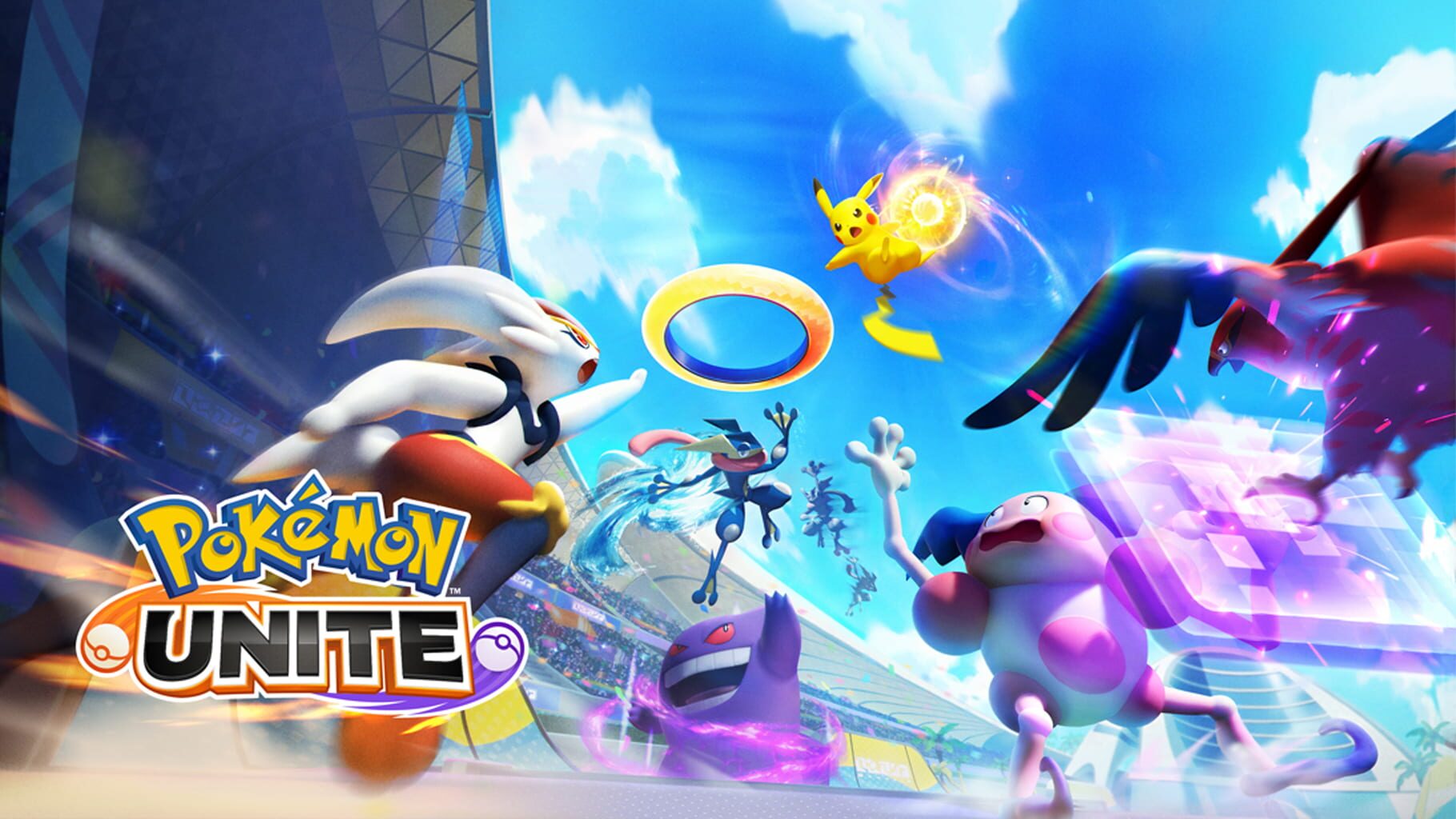
As a MOBA (Multiplayer Online Battle Arena), the goal isn't to "collect" anything. It’s to score points by dunking "Aeos energy" into the enemy’s goals. For parents, the biggest win here is the clock. Unlike Fortnite or Minecraft, where a session can bleed into hours, Unite matches have a hard 10-minute cutoff. When that timer hits zero, the game is over. It makes "just one more match" a much easier negotiation because you know exactly when it will end. If you're trying to figure out if your kid is ready for this jump, our guide to competitive gaming for younger kids breaks down how these digital "Little Leagues" actually function.
The "Bad Teammate" Trap
The most common thing you’ll hear from a kid playing Unite isn't "I caught a Pikachu!"—it’s a scream of frustration because their teammates aren't helping. Because the game is 5-on-5, your kid’s success is tethered to four other people, often strangers.
This is where the "toxic" reputation of MOBAs starts to creep in. Even though the chat options are limited, players find ways to be annoying, like spamming "Thanks!" when someone makes a mistake or simply quitting in the middle of a match. If your kid is the type to take a loss personally, Unite will be a masterclass in frustration management. It’s a great time to talk about multiplayer gaming and online safety, specifically focusing on how to handle "griefers" who try to ruin the fun for everyone else.
The "Free-to-Play" Friction
The developer, Timi, built this game on a "freemium" model that can be incredibly aggressive. While the game is free to download, the pressure to spend is constant. You need "licenses" to play as specific Pokémon, and while you can earn these through play, the grind is intentionally slow.
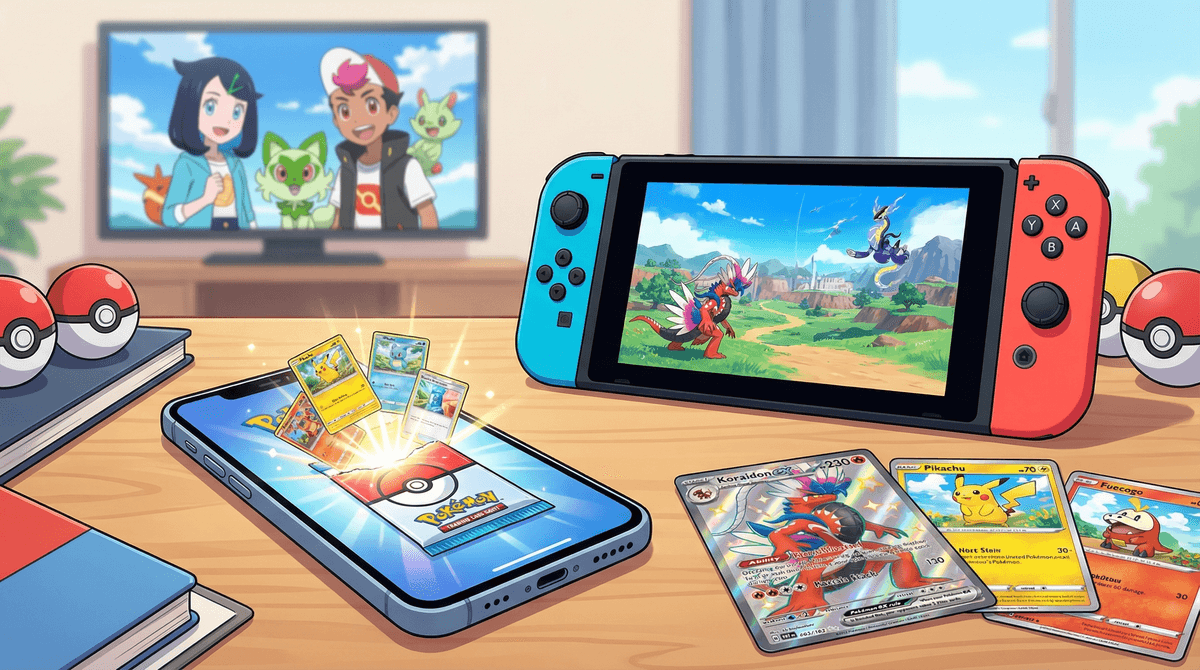
Then there are the "Holowear" skins—purely cosmetic outfits that make a Charizard look like a pirate or a Lucario look like a knight. They don't change the stats, but in the social hierarchy of Aeos Island, they are status symbols. If your kid is already deep into Pokémon: Cards, Consoles, and the 'Pocket' App Era, they’re already primed to want the rarest "pulls" or the coolest looks. You’ll want to keep a close eye on the eShop or App Store settings, because the game is designed to make spending $20 on a digital outfit feel like a totally normal Tuesday.
Who is this for?
If your kid loved the teamwork of Rocket League but wants something with the familiar faces of the Pokémon world, this is a solid pick. It’s more accessible than the "big" MOBAs like League of Legends, but it still requires genuine strategy. They have to learn when to retreat, when to push, and how to coordinate their "Unite Move" with the rest of the squad. It’s a mediocre game by critic standards—sitting at a mid-60s score on IGDB—but for a Pokémon fan, the ability to finally play a "sport" version of their favorite franchise is usually enough to overcome the grind. Just be prepared to hear a lot of complaining about why "the orange team" didn't show up for the final battle.