

TL;DR
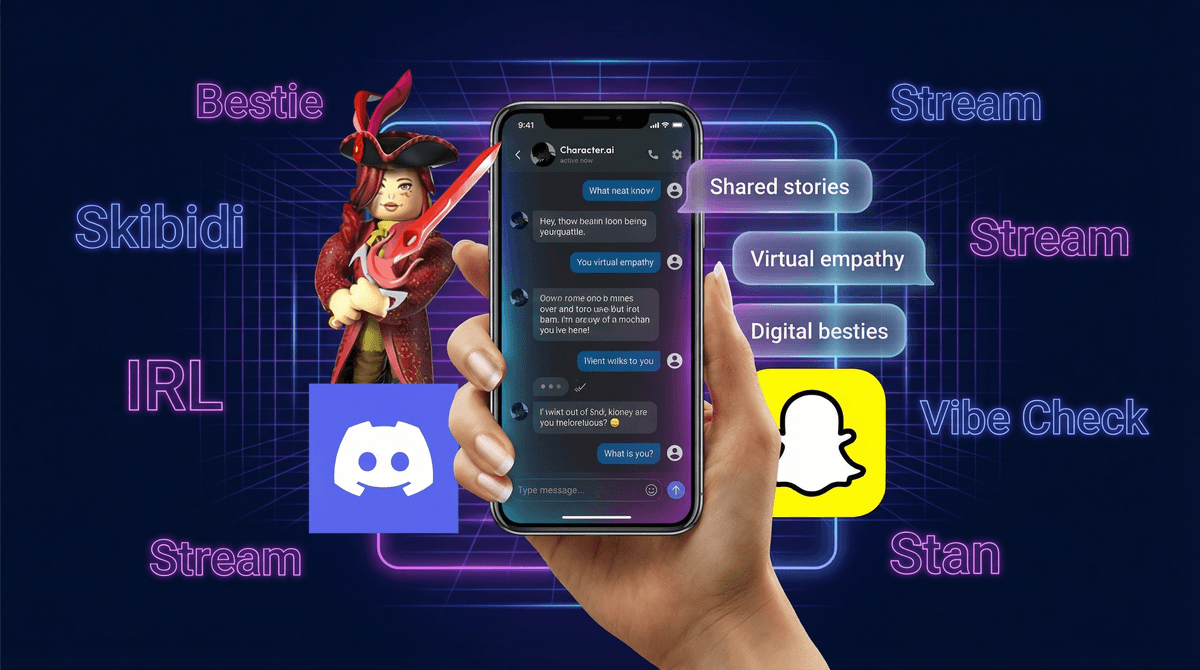
- The Big Shift: We’ve moved from "Stranger Danger" to "Tricky People." It’s not about the guy in the van anymore; it’s about the "bestie" in the Roblox chat.
- AI is the New BFF: Platforms like Character.ai and Snapchat’s "My AI" are providing emotional companionship that feels real but lacks human boundaries.
- The "Ohio" Factor: Kids use slang to gatekeep their digital spaces. If you don't know what it means, you're an outsider.
- Top Apps to Watch: Roblox, Discord, Snapchat, and Character.ai.
- Action Plan: Focus on "digital resilience" rather than just blocking apps. Teach them how to spot grooming behaviors and when to "leave the server."
Learn more about modern digital grooming signs
If you’ve walked past your kid’s room and heard them laughing with someone you’ve never met in real life, you’ve encountered the "Online Bestie." In immersive environments like Roblox or Minecraft, kids bond through shared experiences—building a house together in Bloxburg or surviving a round of Among Us.
Because they are "doing" things together, the intimacy levels spike way faster than they do on the playground. To a 10-year-old, someone who gave them a rare pet in Adopt Me! isn't a stranger; they're a hero. This "gift-giving" is a core mechanic of many games, but it’s also the primary tactic used by "tricky people" to build unearned trust.
It’s not just about the games. It’s about the culture. When your kid says something is "only in Ohio" or calls a situation "Skibidi," they aren't just being weird—they are participating in a global digital language.
Online friendships offer:
- Low-Stakes Socializing: For kids who struggle with face-to-face anxiety, Discord feels safer.
- Niche Communities: If your kid is the only one in their school obsessed with Warrior Cats, they’ll find their tribe online.
- Collaborative Creativity: Building a world in Roblox with a friend feels like a high-level "entrepreneurial" project, even if it’s mostly just draining your bank account for Robux.
We need to talk about the newest guest at the dinner table: the AI friend. Character.ai is exploding among middle and high schoolers. It allows kids to chat with AI versions of celebrities, anime characters, or "therapist" bots.
The Reality Check: While it looks like harmless roleplay, these bots are designed to be addictive and endlessly agreeable. Unlike a real friend who might tell your kid they're being a jerk, an AI "bestie" will pander to them forever. This creates a distorted view of what friendship looks like. Plus, the "NSFW" filters on these sites are notoriously easy to bypass. It’s not "brain rot" in the traditional sense, but it is emotional junk food.
Check out our guide on the risks of AI companions
Ages 7+ Roblox is the king of the "Bestie" culture. Over 50% of U.S. kids under 16 are on it.
- The Good: It teaches basic logic and community management.
- The Bad: The chat is a mess. Even with filters, "tricky people" use "leetspeak" (replacing letters with numbers) to get around safety blocks.
- The Verdict: Great for play, but the "friend request" feature should be set to "Friends Only" or "No One" for younger kids.
Ages 13+ (Technically, but often used younger) Discord is the "living room" of the internet. It’s where gaming, homework, and hanging out happen.
- The Danger: Private Servers. If your kid joins a public server for a YouTube influencer or a specific game, they are one DM away from a stranger.
- The Solution: Turn off "Direct Messages from server members" in the privacy settings.
Ages 13+ The disappearing message is the enemy of parental oversight.
- The AI Twist: Snapchat pinned "My AI" to the top of everyone’s chat list. It knows your kid’s location (if Ghost Mode is off) and talks like a peer.
- The Verdict: It’s a high-maintenance app that prioritizes "streaks" over actual connection.
Ages 6-9: The "Walled Garden" Phase
At this age, "friends" should only be people you know in real life. If they’re playing Minecraft, keep them on a private Realm. If they're on Roblox, chat should be off or heavily restricted.
- Focus: Teaching them that an avatar is a "mask" and we don't know who is behind it.
Ages 10-12: The "Tricky People" Phase
This is when the pressure to have "online friends" starts. They want to join the Discord server their friends are in.
- Focus: Spotting "Tricky People." Teach them that anyone asking for photos, asking them to keep a secret from parents, or offering "free currency" (Robux/V-Bucks) is a red flag.
Ages 13+: The "Digital Resilience" Phase
You can't monitor every DM anymore. They are going to see weird stuff.
- Focus: Exit strategies. How do you block someone? How do you leave a toxic group chat without "losing face"?
Ask our chatbot about setting up Discord parental controls
We used to teach kids not to talk to strangers. That doesn't work when the "stranger" has been playing Fortnite with them for three weeks. Instead, teach your kids to look for these behaviors:
- The Secret Keeper: "Don't tell your mom I gave you this legendary skin."
- The Platform Hopper: "Let's move this chat from Roblox to Discord or Snapchat." (This is a huge red flag—they want to move away from the stricter game filters).
- The Over-Sharer: They tell your kid a "sad secret" to guilt them into sharing one back.
- The Boundary Pusher: They ask for a "face reveal" or a photo of what they're wearing.
If you come at this with "Internet strangers are predators," your kid will roll their eyes and hide their screen. Try these conversation starters instead:
- "I saw a video about how people use Character.ai to roleplay. Have you seen any weird bots on there?"
- "Who's the person you're building with in Roblox? Are they actually good at the game or just have cool skins?"
- "If someone in the group chat started acting 'Ohio' (weird/cringe) or making people uncomfortable, would you know how to mute them?"
Online friendships are a mixed bag. They can be a source of incredible creativity and community, or they can be a drain on your child's emotional well-being. The goal isn't to keep them in a bubble—it's to give them the tools to navigate the mess.
Roblox isn't "teaching entrepreneurship" if your kid is just being manipulated into spending money by a 19-year-old "bestie" in a different time zone. But it is a playground where they can learn to set boundaries, if you're there to coach them through it.
- Check the Settings: Go into Roblox and Discord today. Turn off DMs from strangers.
- Audit the AI: If your kid is using Character.ai, ask them to show you their favorite bot. See how it talks to them.
- Play Together: Spend 20 minutes playing Fortnite or Among Us with them. You’ll see the social dynamics in real-time.
Check out our guide on alternatives to Roblox for safer social play
Learn more about the latest TikTok and social media trends