

Look, if your kid is asking for Robux for the third time this week, you're not alone. About 60% of families in our community have kids playing Roblox on multiplayer servers, and many parents are wondering: what else is out there that captures the same magic without the constant monetization pressure?
The good news? There are actually some fantastic alternatives that hit many of the same notes—creativity, social connection, and that sense of building something—without quite so many microtransaction pop-ups. The key is understanding what specifically your kid loves about Roblox so you can find games that scratch that same itch.
Roblox isn't just a game—it's a platform where kids can play thousands of different experiences, hang out with friends, express themselves through avatars, and even create their own games. When you're looking for alternatives, think about which of these elements matter most to your kid:
The social hangout space? Some kids treat Roblox like a digital playground where they happen to play games together.
The creative building aspect? Others are obsessed with designing their own worlds and experiences.
The variety? The ability to jump between completely different game types in one platform is genuinely appealing.
The avatar customization? Let's be real—a lot of those Robux requests are about looking cool.
For the Builders and Creators (Ages 8+)
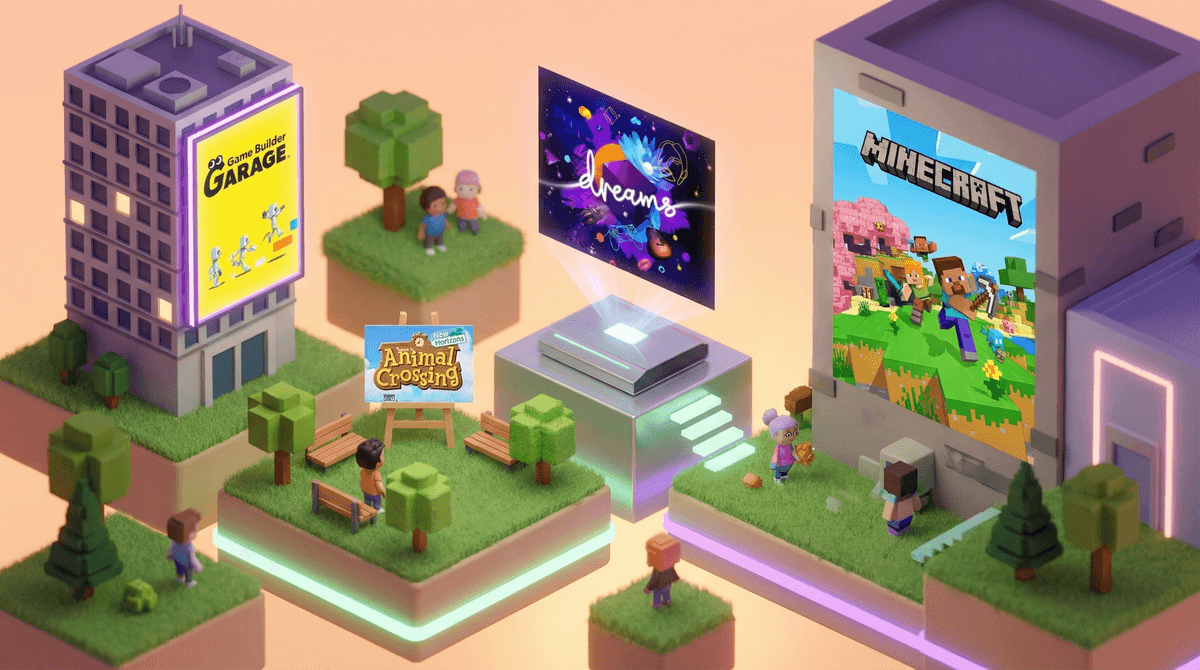
Minecraft is the obvious first stop, and for good reason. About 35% of families in our community have kids playing Minecraft offline (creative or survival mode solo), while another 25% play on multiplayer servers with friends. Unlike Roblox, you can buy Minecraft once and own it—no ongoing currency system required.
What makes it different: Minecraft is more focused and less chaotic than Roblox. There's no algorithm pushing your kid toward random experiences or other players' games. It's just... blocks. Beautiful, educational, endlessly creative blocks. The modding community can add variety if they get bored with vanilla gameplay.
Terraria (Ages 10+) is like Minecraft's 2D cousin with more combat and exploration. One-time purchase, endless gameplay, and it runs on basically any computer. Great for kids who like the building aspect but want more adventure and progression.
For the Social Gamers (Ages 10+)
Among Us became huge during the pandemic and remains popular for good reason—it's social, strategic, and actually teaches deduction skills. The free version has ads, but the paid version is cheap and ad-free. Perfect for kids who use Roblox primarily to hang out with friends.
Fall Guys offers that same "jump in and play something different every time" variety that Roblox provides, but in a more contained, less monetized package. It's colorful, silly, and actually fun to watch (which matters when your kid wants to show you their gameplay).
For the Game Designers (Ages 12+)
If your kid is genuinely interested in the game creation aspect of Roblox Studio, consider Game Builder Garage for Nintendo Switch. It's designed by Nintendo to teach actual game design concepts through a visual programming interface. No microtransactions, just pure creative learning.
Dreams (PlayStation) is another creative platform where players build and share games, but with a more curated, less commerce-focused environment.
For the Collectors and Achievers (Ages 8+)
Stardew Valley hits surprisingly similar dopamine receptors—there's always something to work toward, customize, and collect. It's single-player (or co-op), so it's a good option if you're trying to reduce social gaming time while still giving them that sense of progression and achievement.
Animal Crossing: New Horizons offers customization, collection, and a social element (visiting friends' islands) without any predatory monetization. Yes, there's DLC you can buy, but it's optional and clearly priced—no currency conversion math required.
The monetization question: One of the biggest appeals of moving away from Roblox is escaping the constant Robux economy. Most alternatives use either one-time purchases or optional cosmetic DLC with transparent pricing. Learn more about how Robux creates spending pressure.
The social aspect: If your kid primarily uses Roblox to hang out with school friends, switching games might mean switching friend groups—or convincing friends to try something new together. This is worth a conversation before making any changes.
Different doesn't mean better: About 55% of families in our community have kids who game regularly, and Roblox isn't inherently bad. Sometimes the best "alternative" is just setting better boundaries around Roblox itself rather than switching entirely.
There's no perfect Roblox replacement because Roblox is genuinely unique in combining social space, game variety, and creation tools in one platform. But depending on what your kid loves most about it, there are excellent alternatives that might actually be better for developing specific interests—whether that's game design, creative building, or strategic thinking.
The transition works best when you involve your kid in the decision. "Hey, I noticed you really love building in Roblox—want to try Minecraft where you can do even more complex builds?" lands better than "We're done with Roblox, here's something else."
- Identify the appeal: Talk with your kid about what they actually love about Roblox
- Try before you buy: Many alternatives have free trials or demo versions
- Make it social: If possible, coordinate with other parents so kids can explore new games together
- Set expectations: Be clear about whether this is replacing Roblox entirely or just adding variety
And remember—45% of families in our community don't have kids gaming regularly at all, while others are deep in the Fortnite or Minecraft worlds. There's no single "right" answer, just what works for your family right now.