

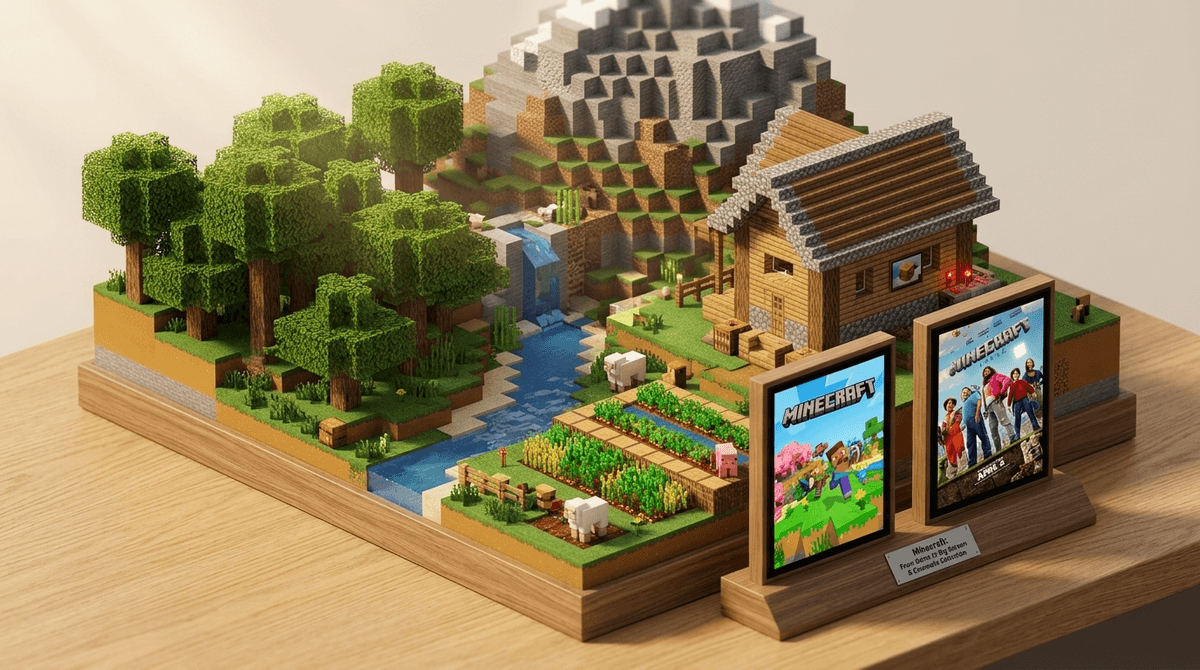
TL;DR: Minecraft remains the undisputed heavyweight champion of kid culture in 2026. It’s still the "digital Legos" we fell in love with a decade ago, but the ecosystem has shifted. Between more frequent content "Drops," the rise of the Marketplace (hello, microtransactions), and the 2025 live-action movie hype, it’s a lot to track. It is still one of the best tools for creativity and logic, but it requires a bit more supervision than it used to.
Quick Links:
If you’ve been living under a bedrock block, Minecraft is a sandbox game where players mine resources and build... well, anything. But the days of waiting a full year for one massive update are over.
Mojang (the creators) shifted to a "Game Drop" model. This means your kids are seeing new features—like the spooky "Pale Garden" biome or the "Creaking" mob—much more frequently. For kids, this keeps the game from getting stale. For parents, it means the "I need to see the new update" excuse happens once a month instead of once a year.
The game is split into two versions, and this matters for your sanity:
- Java Edition: The "old school" version for PCs. It’s great for modding Minecraft and is generally more private.
- Bedrock Edition: The version on consoles, phones, and iPads. This is where the Marketplace lives, and where most of the "Can I have $5 for Minecoins?" requests come from.

Minecraft hits the psychological sweet spot of agency. In a world where kids are told when to eat, sleep, and do homework, Minecraft is a place where they have total control.
Lately, we’ve seen a massive surge in "survival challenges." Kids aren't just building houses; they’re playing "100 Days in Hardcore Mode" or recreating scenes from their favorite YouTube creators like MrBeast.
It’s also become a social hub. For many 4th through 8th graders, a Minecraft Realm is the 2026 version of hanging out at the mall. It’s where the gossip happens, where friendships are forged, and—unfortunately—where "griefing" (destroying someone else's digital work) can lead to real-world tears.
This is the "No-BS" section. The Minecraft Marketplace is a mixed bag.
On one hand, you have incredible creators making educational Minecraft maps that teach everything from marine biology to history. On the other hand, the Marketplace is increasingly flooded with "brain rot" content. If your kid is asking for a skin pack that looks like a Skibidi Toilet character or a "Sigma Creeper," that’s the Marketplace at work.
The Money Pit Factor: Minecoins are the currency here. Unlike Roblox, where the economy feels like the Wild West, Minecraft’s Marketplace is curated. Everything you buy generally "works," but it’s still a constant pull for microtransactions.
Short answer: Yes, but you have to lean into it.
- Redstone: This is essentially digital electrical engineering. If your kid is building a hidden door or an automated farm using Redstone, they are learning logic gates (AND, OR, NOT). It’s basically Scratch but with TNT.
- Entrepreneurship: If they are running a server or a Minecraft Realm, they’re learning about community management, conflict resolution, and sometimes even basic economics.
- Resource Management: Survival mode is a lesson in "I can't build that cool tower until I spend 20 minutes gathering wood." It’s delayed gratification in a 16-bit package.
If you want to steer them toward the "good stuff," look into Minecraft: Education Edition. Many schools use it, but you can access many of its features at home.
- Ages 5-7: Stick to Creative Mode. It removes the "scary" monsters (mobs) and the stress of dying/losing items. It’s just building. Keep them off public servers and stick to local multiplayer with siblings or parents.
- Ages 8-10: This is the prime age for Survival Mode. They’ll want to play with friends. A Minecraft Realm is the safest way to do this—it’s a private server where only invited friends can join.
- Ages 11+: They’ll likely want to join massive public servers like Hypixel. This is where they’ll encounter unmoderated chat and "competitive" play. It’s generally safe, but this is the time to have the "don't share your real name" talk.
The biggest "danger" in Minecraft isn't predators—though they exist on any platform with chat—it's emotional distress.
"Griefing" is when a player destroys another player's buildings or steals their items. In the world of a 9-year-old, having a castle you spent three weeks building burned down by a "friend" is a major life event.
Pro-tip: If your kids are playing together, establish "House Rules" for their Minecraft world. No stealing, no burning, no TNT near the base. It sounds silly, but it saves hours of parenting headaches later.
What about the 2025 Movie?
The Minecraft Movie (starring Jack Black and Jason Momoa) is a major cultural touchstone this year. It’s going to trigger a "Minecraft Summer." Expect your kids to want more merch, more game time, and more YouTube tutorials. The movie itself looks like a standard PG action-comedy, but the "uncanny valley" look of the sheep and llamas has already become a meme.
If you want to be the "cool" intentional parent, don't just tell them to get off the screen. Ask them to give you a tour.
Ask these three questions:
- "Can you show me how your Redstone circuit works?" (Validates their logic skills)
- "Who are you playing with on this server?" (Checks their social circle)
- "What’s the coolest thing you’ve seen in a 'Game Drop' lately?" (Shows you’re culturally fluent)
Minecraft is still the gold standard for digital play. It is leagues better than the mindless scrolling of TikTok or the often-toxic gambling mechanics found in other "free" games.
Yes, the Marketplace is annoying. Yes, the YouTube videos they watch about it can be loud and obnoxious. But at its core, Minecraft is a tool that rewards curiosity and creativity.
If you're looking for alternatives that offer a similar vibe but maybe a different flavor, check out Terraria (2D Minecraft with more combat) or Stardew Valley (cozy farming with zero "griefing").
- Check their settings: Ensure "Multiplayer" is off if you want a solo experience, or restricted to "Friends Only."
- Talk about the Marketplace: Set a monthly "Minecoin allowance" so they learn to prioritize what they actually want.
- Play with them: Even 15 minutes of "showing you around" goes a long way in building digital trust.