

TL;DR: Madison Beer is a Gen Z pop star and mega-influencer who has become the blueprint for the "perfect" internet aesthetic. While her music is solid, the real conversation for parents is about the "Madison Beer Face"—an unattainable beauty standard that fuels endless "FaceCard" TikToks. The silver lining? She’s surprisingly vocal about her struggles with mental health and the toxicity of social media.
Quick Links:
- The Music: Madison Beer on YouTube
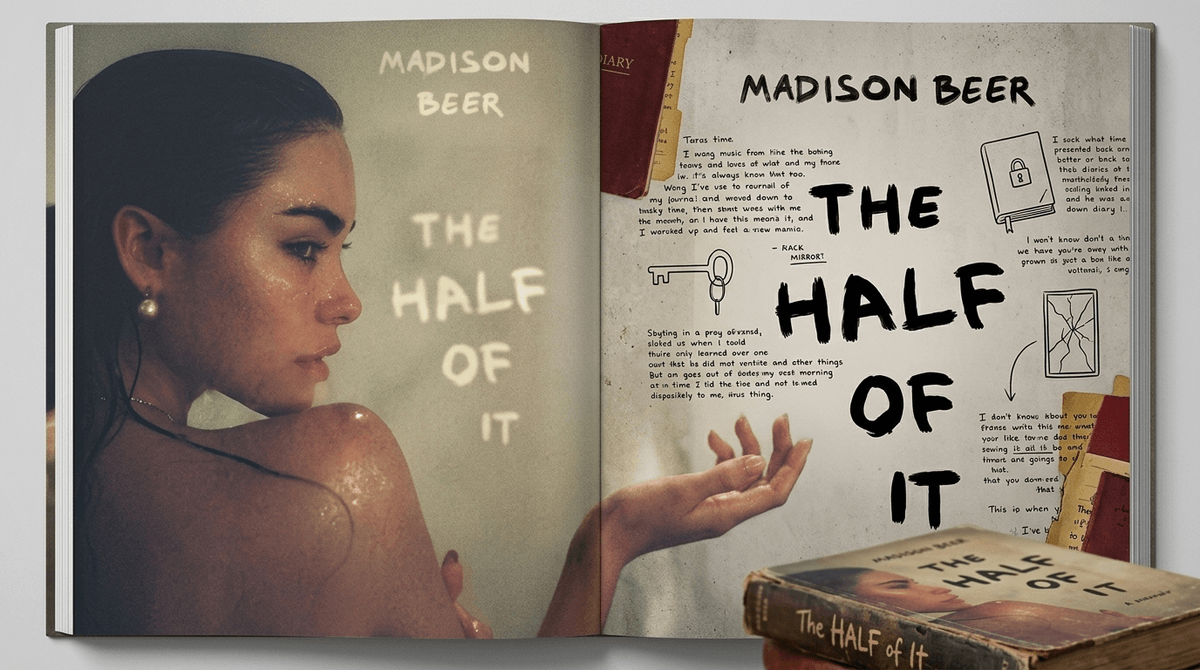
- The Book: The Half of It by Madison Beer
- The Platforms: Instagram, TikTok
- The Context: Guide to Body Image and Social Media
If you haven’t heard the name, you’ve definitely seen the face. Madison Beer’s rise to fame is the ultimate Gen Z fairy tale: back in 2012, when she was just 13, Justin Bieber tweeted a link to her YouTube cover of Etta James. She went viral instantly, got signed to a major label, and then… it all kind of fell apart. She was dropped, went independent, and had to rebuild her career through the sheer force of Instagram and TikTok.
Today, she’s a legitimate pop star with billions of streams, but she’s also something more influential: she is an "aesthetic icon." For teen girls, she represents a specific type of polished, high-glamour, "clean girl" look that feels both aspirational and deeply intimidating.
There is a specific phenomenon online called the "Madison Beer Face." If you spend any time on TikTok, you’ll see thousands of videos of girls trying to recreate her makeup or analyzing her bone structure.
The "problem"—if we want to call it that—is that Madison Beer looks like a real-life version of a "Beautify" filter. She has become the gold standard for what many teens think they should look like. This has led to years of "did-she-or-didn't-she" plastic surgery rumors. Madison has spent a lot of time defending her natural looks, which honestly creates a bit of a double-edged sword for our kids:
- The "Natural" Pressure: When an influencer insists their "perfect" features are 100% natural, it can make teens feel even worse about their own normal, human faces.
- The Comparison Trap: Even if she is just genetically blessed, the constant exposure to her curated feed sets a bar that is physically impossible for 99.9% of the population to hit.
Here is where Madison Beer gets interesting and why she isn't just another "brain rot" influencer. Unlike many stars who keep the "perfect" facade up 24/7, Madison has leaned into her struggles.
She has been incredibly open about being diagnosed with Borderline Personality Disorder (BPD). She’s talked about her history of self-harm, her struggles with suicidal ideation due to online bullying, and the toll that being "internet famous" since childhood took on her psyche.
For a parent, this is the "in." She isn't just a pretty face on a screen; she’s a cautionary tale about the digital age and a voice for mental health awareness. Her memoir, The Half of It, is actually a pretty raw look at what happens when the internet decides to make you a star—and then decides to tear you down.
If your teen is a fan, here are the specific things they are likely consuming, and what you should know about them:
This is her autobiography. It’s surprisingly heavy. She discusses the trauma of being sexualized as a young teen and the impact of "cancel culture." If your teen is reading this, it’s a great opening to talk about digital wellness and the reality of online fame.
Her music is generally "safe." It’s moody, cinematic pop. Think Lana Del Rey meets Ariana Grande. The lyrics often deal with heartbreak, self-discovery, and the feeling of being watched. Compared to some of the stuff on the Billboard 100, it’s relatively tame in terms of explicit content, though it leans into "sad girl" vibes.
This album is where she really explores her BPD diagnosis and mental health. It’s artistic and emotional. It’s worth a listen if you want to understand the "vibe" your teen is absorbing.
- Ages 10-12 (Tweens): This is the "danger zone" for the beauty standards. Tweens are just starting to care about makeup and skin care (the "Sephora Kids" phenomenon). They might see Madison Beer and feel like they need to start "fixing" their faces. If they’re following her on Instagram, keep the conversation focused on the fact that her job is to look like that—it’s a production, not a lifestyle.
- Ages 13-15 (Young Teens): This is the prime age for her music and her book. They will likely relate to her feelings of being misunderstood. This is a good time to discuss her BPD advocacy and the importance of mental health apps.
- Ages 16+: Older teens are likely using her as "fitspo" (outfit inspiration). At this age, they are usually savvy enough to know about filters, but the psychological impact of seeing her "perfect" life daily still exists.
The main safety concern with Madison Beer isn't "bad content"—she isn't out here promoting drugs or dangerous stunts. The concern is the algorithm.
Once a kid starts liking Madison Beer content, TikTok and Instagram will start serving them:
- Plastic surgery "analysis" videos.
- Extreme weight loss or "What I Eat In A Day" videos.
- "Looksmaxxing" content (a trend where kids try to maximize their physical attractiveness through sometimes obsessive means).
Learn more about the "Looksmaxxing" trend and how it affects teen boys and girls
Don't go in with "I think this girl is a bad influence." That’s a quick way to get an eye-roll. Instead, try these conversation starters:
- "I saw a video about Madison Beer talking about her BPD diagnosis. It's wild that someone who looks like she has everything together is struggling that much. Do you think most people online are hiding that kind of stuff?"
- "I heard people call her the 'perfect face.' Does that feel like a lot of pressure for people your age to look a certain way?"
- "Her book talks a lot about how mean the internet was to her when she was younger. Have you seen people getting 'canceled' or bullied like that in your circles?"
Madison Beer is more than just a pop star; she is a mirror for the current Gen Z experience. She represents the peak of digital beauty and the deep valley of digital burnout.
If your teen is a fan, don't sweat the "aesthetic" too much, but stay alert to how it’s affecting their self-esteem. Use Madison as a bridge to talk about the things that actually matter: mental health, the illusion of social media, and finding your own voice even when the whole world is staring at your face.
- Check your teen’s TikTok "Following" list to see if they are also following "surgery analysis" accounts.
- If they love her music, suggest other artists with similar vibes but different messages, like Olivia Rodrigo or Billie Eilish.
- Take our Screenwise Survey to see how your family's social media habits compare to your community