

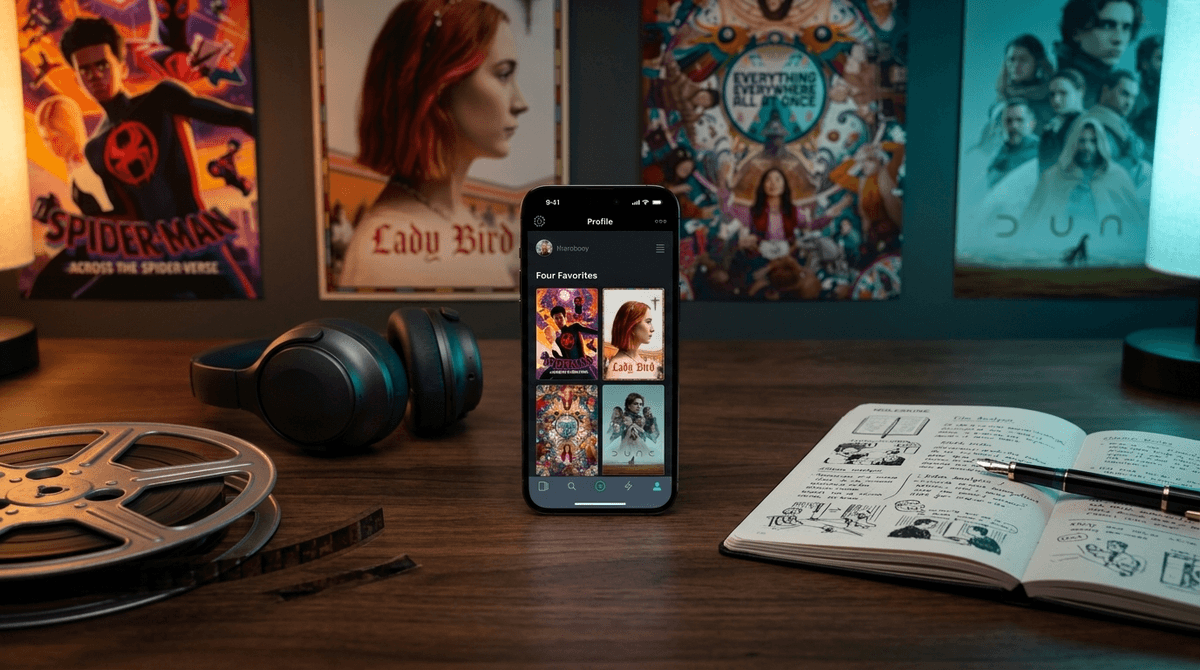
Letterboxd is the digital diary for movie nerds, and if your kid is hitting the age where "liking movies" has become a central pillar of their personality, they’re likely already logging their latest watch there. Think of it as a social network built entirely around the "What should we watch?" and "What did you think?" conversations, minus the clutter of a general feed like Instagram or TikTok.
Letterboxd is a social platform for tracking, rating, and reviewing films that helps teens build genuine cinematic taste and literacy. While it’s a fantastic tool for organization, the community reviews are entirely unfiltered, often featuring heavy profanity, spoilers, and "film bro" snobbery. It’s a high-value playground for kids in our digital guide for middle school and up, provided they’re ready for the internet’s rawest opinions.
At its core, Letterboxd is an organizational tool. Users "log" movies they’ve watched, assign a star rating (one to five), and write a review. The magic for kids is the list-making feature. They can curate "Movies that made me cry," "Every horror movie I saw in 2026," or "Ranked: The Spider-Verse Trilogy." It turns a passive hobby into a creative project.
The social element comes from following friends or popular critics to see what they’re watching. For a kid who feels like their taste is "different" from their local peer group, Letterboxd provides a global community that cares as much about an obscure indie film as they do about the latest Marvel drop.
The loudest corner of Letterboxd is often referred to as "Film Bro" culture. This is the demographic of users—often young men, but not exclusively—who treat certain directors (like Christopher Nolan or Denis Villeneuve) as untouchable deities and look down on anything "mainstream" or "sentimental."
For a teenager, this culture can be a double-edged sword. It pushes them to discover masterpieces they’d never find on a Netflix home screen, but it can also lead to a performative type of viewing where they only watch things they think will make their profile look "cool." If you notice your kid suddenly obsessed with 1970s French New Wave, they’re probably trying to impress their Letterboxd followers. It’s harmless, but it’s a great jumping-off point for a conversation about why we actually like the things we like.
The most prestigious real estate on a Letterboxd profile is the "Four Favorites" slot. These are the four films a user chooses to represent their soul. It’s the ultimate teen identity marker.
If your kid is active on the app, ask them what their four favorites are right now. Don't judge the picks—even if they’re pretentious or "mid." The choices usually reflect how they want the world to see them. It’s a low-stakes way to talk about identity, art, and what stories actually resonate with them.
Letterboxd does not have a "kids' mode." When you click on a movie, the top reviews are determined by popularity (likes), not by appropriateness. A review for a PG-rated Pixar movie might be a one-sentence joke filled with F-bombs, or a deeply inappropriate "thirst" comment about a voice actor.
There is no way to filter the language in these reviews. If your kid is sensitive to profanity or sexual humor, Letterboxd is going to be a minefield. However, for most teens, it’s no worse than what they’d see in a YouTube comment section—just more focused on cinematography.
If your kid wants to start logging but doesn't know where to begin, point them toward movies that the Letterboxd community actually respects. These are the titles that usually spark the best "discourse" on the app:
This is a Letterboxd darling. It’s visually dense, rewards repeat viewings, and has a level of artistry that even the snobbiest film critics can't ignore. It’s the perfect "prestige" superhero movie for a kid to analyze.
A modern classic on the platform. It’s chaotic, emotional, and technically brilliant. If they want to understand how editing and pacing work, this is the textbook.
For the teen interested in "coming-of-age" stories, Greta Gerwig’s solo directorial debut is a staple. It’s a great example of how a small, personal story can have a huge impact.
Looking ahead, this upcoming sci-fi from Bong Joon-ho (director of Parasite) is set to drop in early 2025 and is already one of the most anticipated films in the Letterboxd community. Based on the novel Mickey7, it looks like the kind of high-concept, philosophical sci-fi that generates thousands of "What did it all mean?" reviews.
The biggest friction point on Letterboxd isn't the movies—it's the spoilers. Because the app is for people who have already seen the movie, the reviews are full of plot twists. Letterboxd has a "Hide Spoilers" toggle in the settings, but it relies on users self-tagging their reviews. Teach your kid to read the star rating first and only dive into the text if they’ve already hit the credits.
Q: Is Letterboxd safe for a 13-year-old? The app is generally safe in terms of "stranger danger"—it’s not a DM-heavy platform—but the content is 100% unfiltered. Your 13-year-old will see every swear word in the book in the review sections.
Q: Can you watch movies on Letterboxd? No. Letterboxd is a tracking and social tool, not a streaming service. It does, however, link to services like JustWatch to tell you where a movie is currently streaming.
Q: How do I make my kid's Letterboxd private? In the account settings, you can set the profile to "Private," which means only approved followers can see their logs and lists. This is the best move for younger teens who want the organizational benefits without the public social pressure.
Letterboxd is the best tool available for turning a kid from a passive consumer of "content" into an intentional viewer of "film." It rewards curiosity and helps them find their tribe. Just be ready for them to tell you that your favorite 90s rom-com is "thematically hollow" because some guy with a black-and-white profile picture told them so.
- Check the vibe: Browse our best movies for kids list to find something worth logging tonight.
- Set the guardrails: If they’re just starting out, walk through the digital guide for middle school to see how Letterboxd fits into their overall screen diet.
- Ask the bot: Get a list of "Prestige" movies for a 14-year-old
