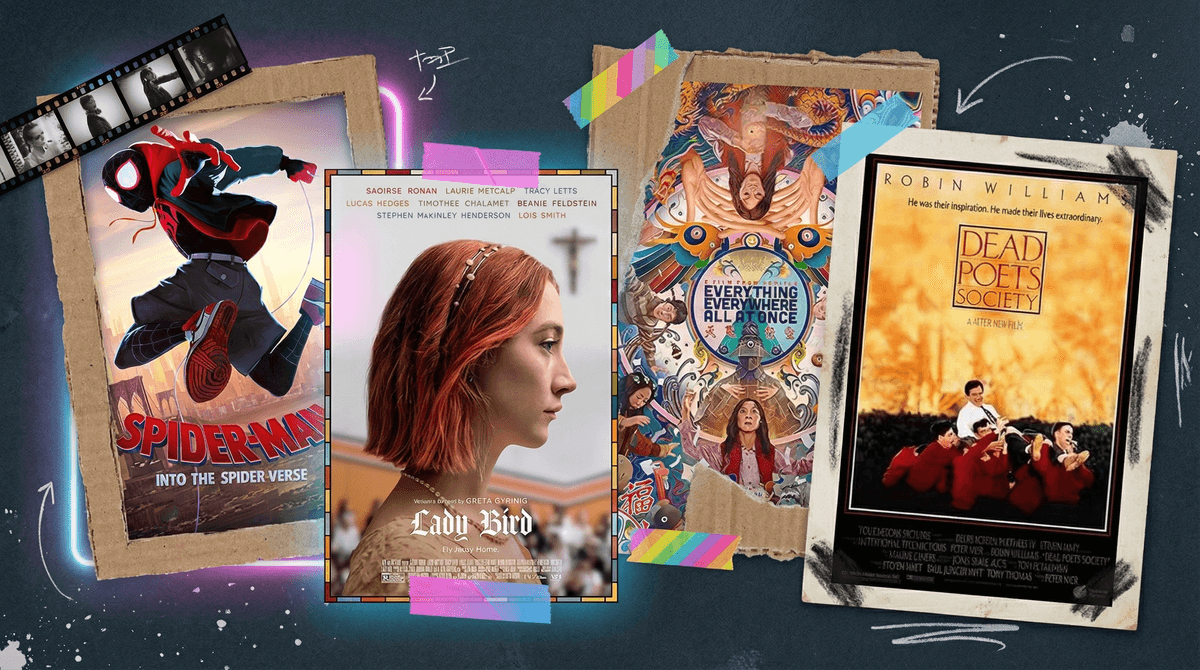
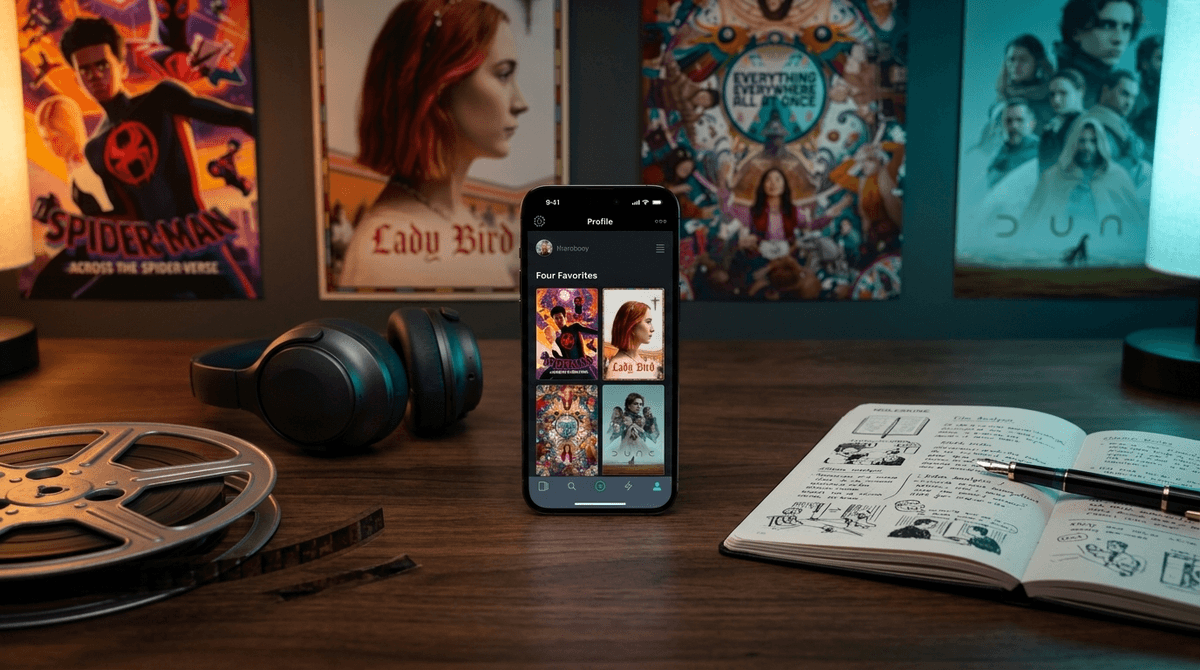
If your teen has reached the stage where they’re complaining about "bad pacing" or "unnecessary reboots," they’ve likely already heard of Letterboxd. It is the undisputed heavy hitter of film social media. While IMDb is a database and TikTok is a hype machine, Letterboxd is a journal. It’s where people go to prove they have "taste," and for a teenager finding their identity, that can be a powerful draw.
From passive viewer to critic
The app’s core mechanic is the Diary. You watch a movie, you log the date, you give it a star rating, and you write a review. For most kids, this is the first time they’re asked to think critically about the media they consume rather than just letting it wash over them. It’s a massive step up in media literacy. If you have a child who is constantly talking about camera angles or "the vibes" of a specific studio, this is the best sandbox for aspiring filmmakers to practice their voice.
The "Lists" feature is the other big draw. Users curate everything from "Movies that feel like a rainy Tuesday" to "Every film where the protagonist wears a cool hat." It’s a form of digital scrapbooking that rewards deep-diving into film history rather than just watching what’s currently trending on Netflix.
The "Film Bro" friction
The community culture is the part you’ll actually want to monitor. Letterboxd can be pretentious. It’s the natural habitat of the "film bro"—the kind of user who will clown someone for liking a blockbuster while giving five stars to a four-hour black-and-white documentary. For a younger teen, this can lead to some performative gatekeeping. They might feel pressured to hate a movie they actually liked just to fit in with the "top reviewers."
More importantly, the app treats all movies equally. The landing page might feature a neon-colored animated hit right next to a gritty, hyper-violent indie thriller. Because there are no content filters, the reviews for those mature films are fully visible. People on Letterboxd write for other adults; they don't self-censor their language or their descriptions of explicit scenes. If your teen is looking up best movies for 14+, they will inevitably stumble across reviews for movies they aren't ready for.
Making it a shared project
Instead of treating Letterboxd as another "social media app" to be managed, think of it as a tool for building digital traditions. The best way to use the app is to follow your teen and have them follow you.
- Shared Watchlists: Create a list of movies you both want to see and use the "Service" filters to see what’s available on your existing streaming subscriptions.
- The Review Trade: Read each other’s reviews after a family movie night. It’s often easier for a teen to write their "real" thoughts in an app than to explain them over popcorn.
- The Pro Tier: If they’re really into it, the Pro features (which include more detailed stats and activity filters) are a decent "level up" gift that doesn't involve the usual microtransaction junk found in games.
If they can handle the occasionally snarky or explicit environment of the comments section, Letterboxd is one of the few apps that actually makes a kid smarter about the world around them. It turns a screen-time habit into a legitimate hobby.