

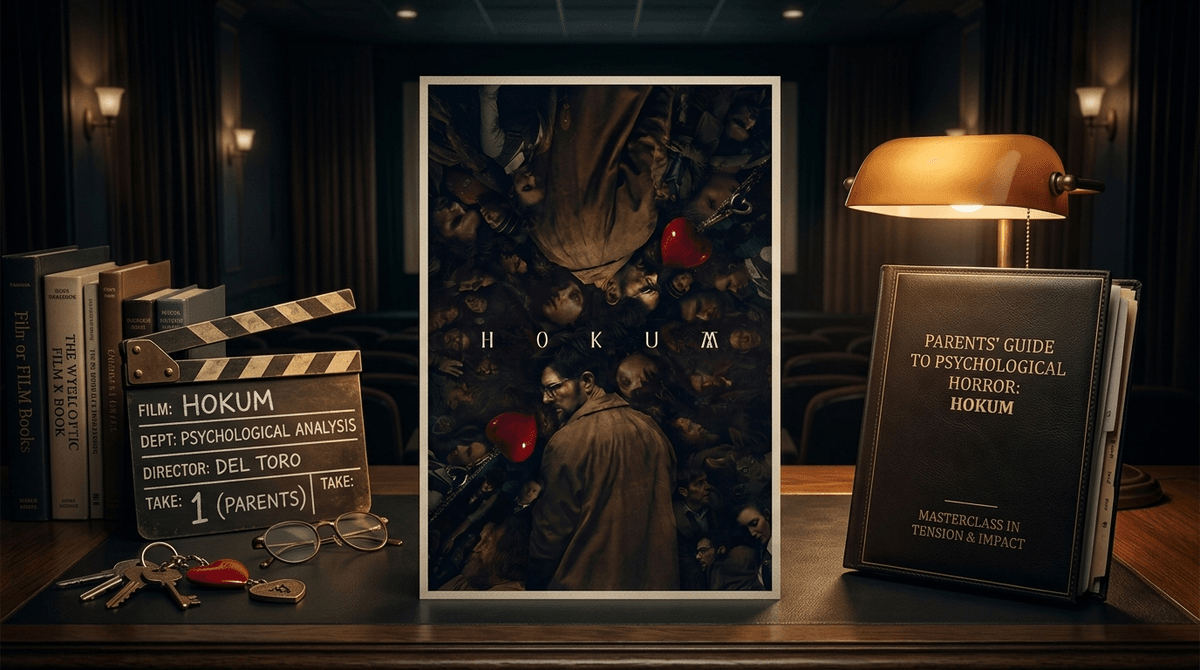
Hokum is a psychological pressure cooker that earns its R rating not through cheap jump scares or wall-to-wall gore, but through a relentless, suffocating sense of dread. If your kid is under 16, this is a "not yet" movie. It’s a masterclass in atmospheric horror that trades in heavy themes like inherited trauma and the slow erosion of reality—stuff that usually sails over the heads of younger viewers but can deeply rattle a teenager.
Hokum is a high-intensity psychological horror film starring Adam Scott that is best reserved for the 16+ crowd. While it lacks the "slasher" violence of typical horror, it replaces it with profound psychological distress and disturbing imagery related to grief and mental breaks. For parents of older teens, it’s a great entry point for discussing how cinematography and sound design create emotion, but for anyone younger, it’s likely to just be a recipe for a week of bad sleep.
A lot of families are going to see Adam Scott’s name on the poster and think they’re getting the dry, awkward charm of Parks and Recreation or the high-concept mystery of Severance. That is a trap. In Hokum, Scott plays a man returning to his family’s dilapidated resort to settle an estate, and he spends about 90% of the runtime looking like a man who has forgotten how to breathe.
The "hokum" of the title refers to the stage magic and spiritualist scams his grandfather used to run at the hotel, but the movie isn't interested in card tricks. It’s interested in the things that stay in the walls after the audience goes home. It’s slow, it’s deliberate, and it’s deeply uncomfortable.
Horror is usually categorized by "the stuff"—how many liters of blood, how many f-bombs, how many jump scares. Hokum is different. It’s about the vibe.
The Psychological Load The movie deals heavily with the idea that you can't escape your parents' mistakes. For a 12-year-old, that’s a boring concept. For a 16- or 17-year-old who is starting to look at their own independence and family history, it’s terrifying. The film uses surrealism—hallucinations, shifting architecture, and distorted time—to show a character losing his grip. That kind of "reality-bending" horror is often much more upsetting to older kids than a guy in a hockey mask.
The Intensity Factor There are a few moments of sharp, visceral violence, but the real "watch out" is the sound design. It’s designed to make you feel physically anxious. If your kid is sensitive to sensory overload or gets "stuck" on disturbing imagery, this one will linger way past the credits.
If you’re looking for the specifics to make your call, here is how Hokum breaks down:
- Violence: It’s sparse but impactful. When it happens, it’s grounded and messy rather than "movie-style" action. Think self-harm themes and a particularly gruesome scene involving a vintage stage illusion gone wrong.
- Language: It’s an R-rated movie. The dialogue is realistic, meaning the characters swear when they are terrified. It’s not gratuitous, but it’s there.
- Sexual Content: Almost none. This movie is far too busy being scary to worry about romance.
- The "Cringe" Factor: Zero. This is a prestige-leaning horror film. It doesn't rely on "dumb teenager" tropes or predictable slasher beats.
If you have a 16- or 17-year-old who is a horror buff, Hokum is actually a fantastic "teaching" movie. It’s a great example of how a director can make a room feel scary without putting a monster in it.
Ask them about the hotel: "How did the director make the hotel feel like a character instead of just a setting?" This gets them thinking about production design and lighting.
Discuss the ending: Without spoiling it, the ending is ambiguous. Ask them: "Do you think what happened was supernatural, or was it all in his head?" This is the ultimate "media literacy" question for psychological thrillers.
If your kid is interested in the "creepy building" or "family secrets" genre but isn't ready for the sheer weight of Hokum, there are better entry points that hit the same notes without the trauma:
- The Ghost of Lord Shackleton: For a middle-grade take on the "haunted family estate" mystery.
- The House in the Cerulean Sea: If they like the "dilapidated hotel" aesthetic but want something that won't give them nightmares.
- A Short Hike: Honestly? If they watch Hokum, they’re going to need a palate cleanser. This is the ultimate "low-stress" game to decompress with afterward.
Q: Is Hokum appropriate for a 13-year-old? Probably not. While every kid is different, the psychological intensity and themes of mental collapse are generally too heavy for the middle-school crowd. They’ll likely find it either too slow or too upsetting.
Q: Does Hokum have a lot of jump scares? No. It’s a "slow burn" movie. It builds tension for 90 minutes rather than trying to make you jump every ten. If your kid hates jump scares but likes being "creeped out," they might actually prefer this style—but the R-rating still stands for a reason.
Q: Is Hokum as scary as The Shining? It’s definitely playing in the same sandbox as The Shining. It uses a similar "haunted hotel as a metaphor for the mind" approach. If they can handle Kubrick’s classic, they can handle this.
Hokum is a "grown-up" horror movie. It’s smart, it’s well-acted, and it’s genuinely unsettling. Save it for the older teens who have the emotional maturity to process a story about grief and madness. For everyone else, stick to our best movies for kids list for something that doesn't require a therapy session afterward.
- Check out our digital guide for high school for more 14+ recommendations.
- If your teen is into the "prestige horror" trend, see our guide on A24 movies and teens.
- Find more psychological thrillers
