The "Zelda" loop without the combat
If your kid has ever watched you play Breath of the Wild or Tears of the Kingdom, they’ll recognize the rhythm here immediately. You explore a big, open space, talk to quirky NPCs, and collect items to improve your stamina so you can climb higher. The genius of Adam Gryu’s design is that he stripped away the monsters, the "game over" screens, and the world-ending stakes.
Instead of fighting Ganon, your kid is just trying to get cell service. It’s a brilliant way to introduce the mechanics of adventure games kids love without the frustration of losing progress or the stress of being hunted. The "soaring" mechanic is the real standout. Once you get high enough, you can just leap off a cliff and glide over the entire park. It feels liberating rather than dangerous.
A masterclass in low-stakes curiosity
Most modern games use a "map with a thousand icons" approach that can feel like a chore list. This game does the opposite. It’s one of those indie games that teach exploration and curiosity by letting the player wander into a side quest just because they saw a cool-looking lighthouse or a bird playing volleyball.
There are no waypoints or glowing arrows. If your kid wants to spend forty minutes fishing or looking for a missing headband for a turtle, they can. This lack of pressure makes it a top-tier choice among cozy games for kids who need a break from the high-octane dopamine loops of competitive shooters. It rewards the player for being observant, not for having fast reflexes.
The pixel art "crunch"
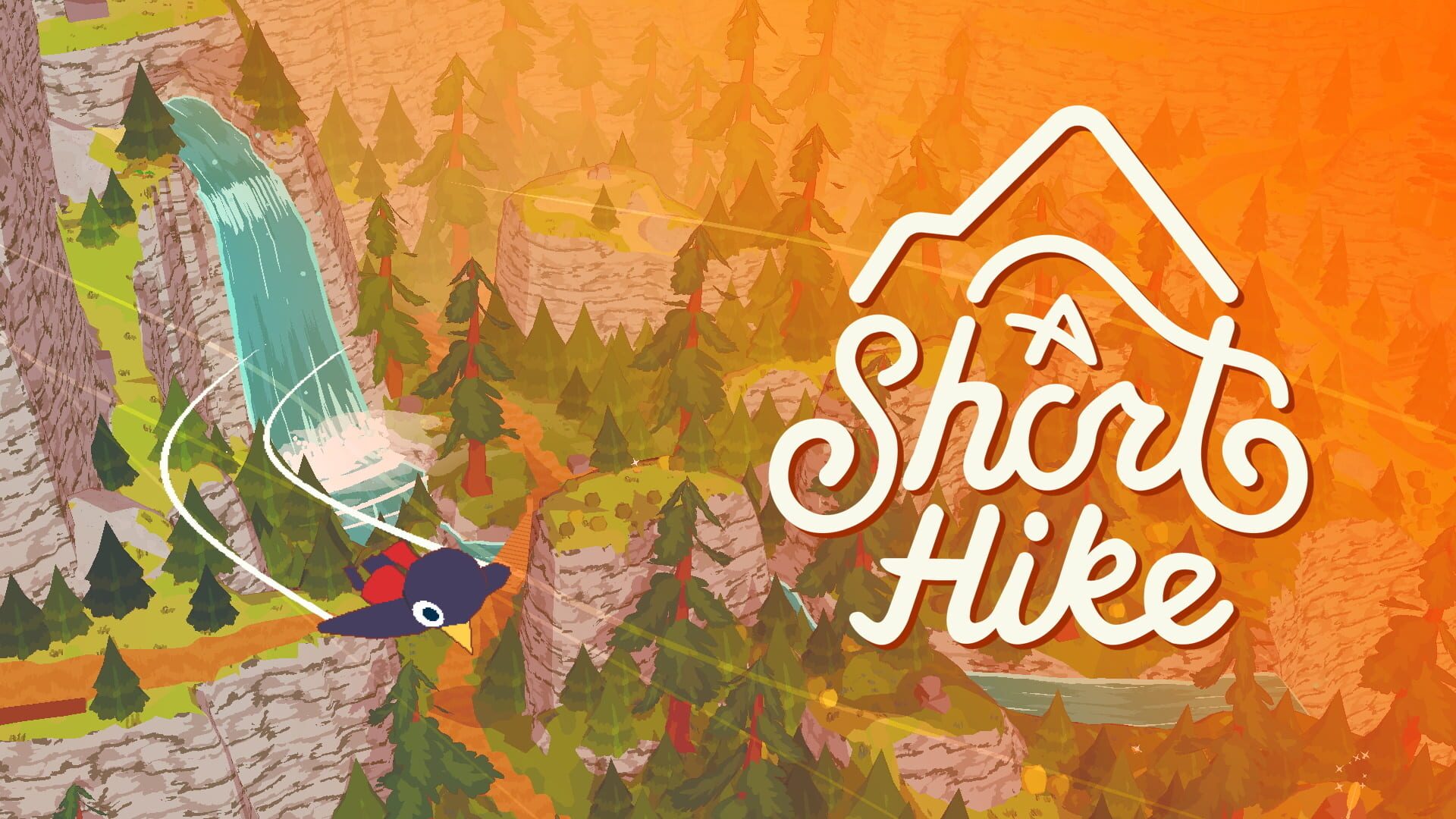
One thing to flag: the default visual style is very "crunchy." It uses a low-resolution pixel art filter that makes the game look like something from an old handheld console. If your kid is used to the hyper-realistic graphics of a modern PlayStation or Xbox title, they might initially think the game looks broken or "old."
You can actually go into the settings and adjust the "pixel size" to make it look smoother and more modern, but I’d encourage them to try it as-is first. The style is a deliberate choice that makes the park feel like a living painting. It’s a great entry point into 80s-inspired video games and the wider world of indie aesthetics where the vibe matters more than the polygon count.
Why the short runtime is a feature
You’ll see some reviews mention that the game is "too short," but for a parent, that’s actually its greatest strength. You can finish the main story in about ninety minutes. It has a definitive, emotional ending that feels earned. In a world of "forever games" designed to keep kids hooked for hundreds of hours, there is something deeply satisfying about a game that has the confidence to just end. It’s the perfect Sunday afternoon activity—start it at 2:00 PM, and they’ll be at the summit by snack time, feeling a genuine sense of accomplishment.