Work-Life Balance as Dystopia
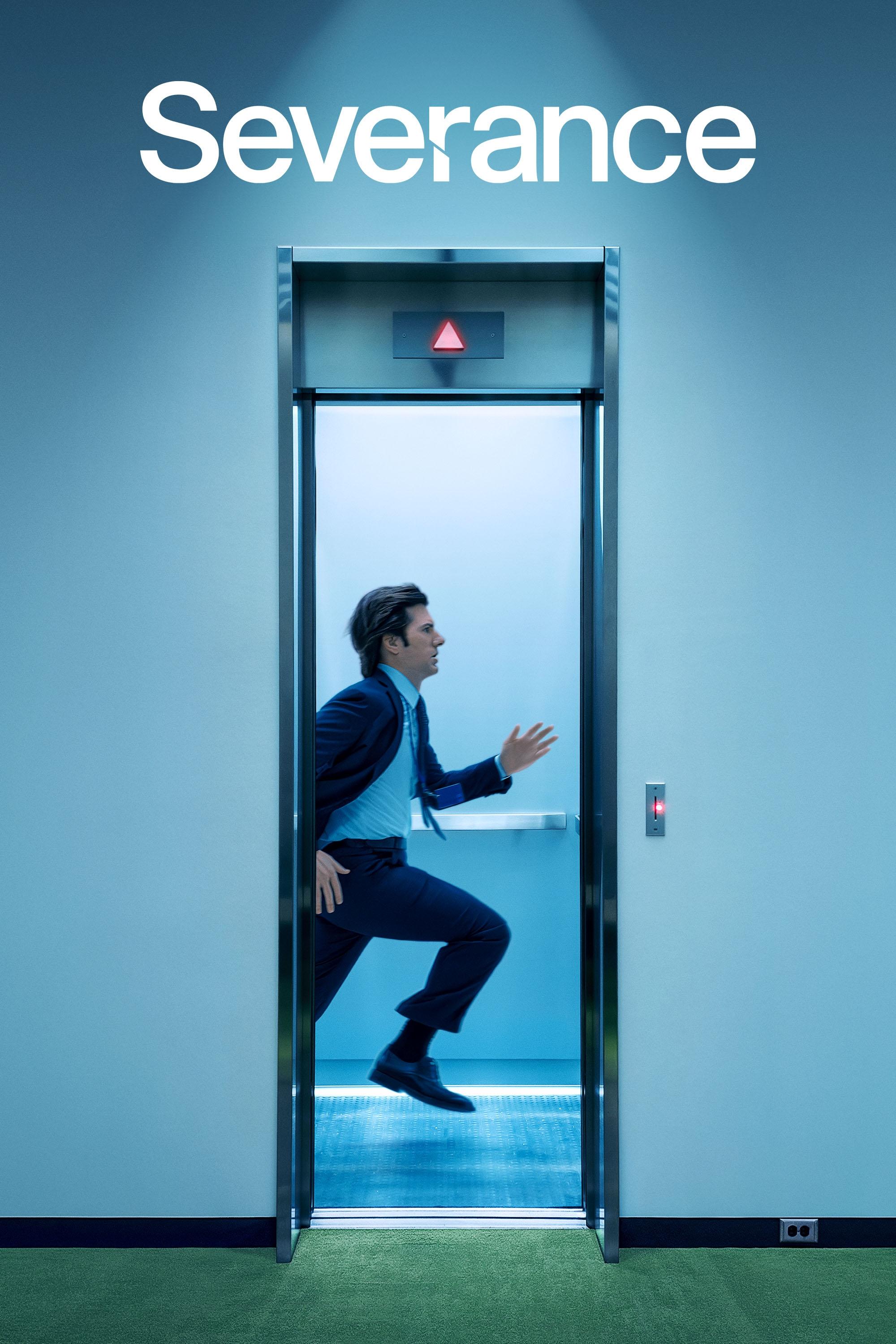
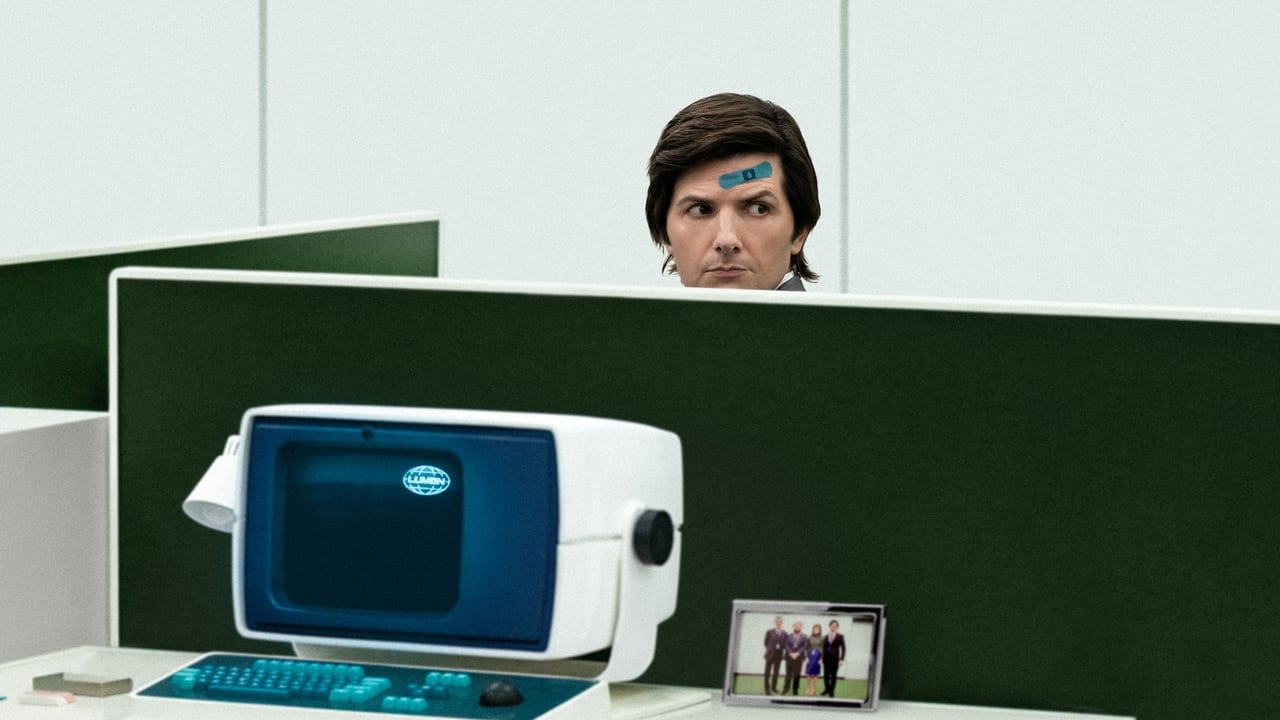
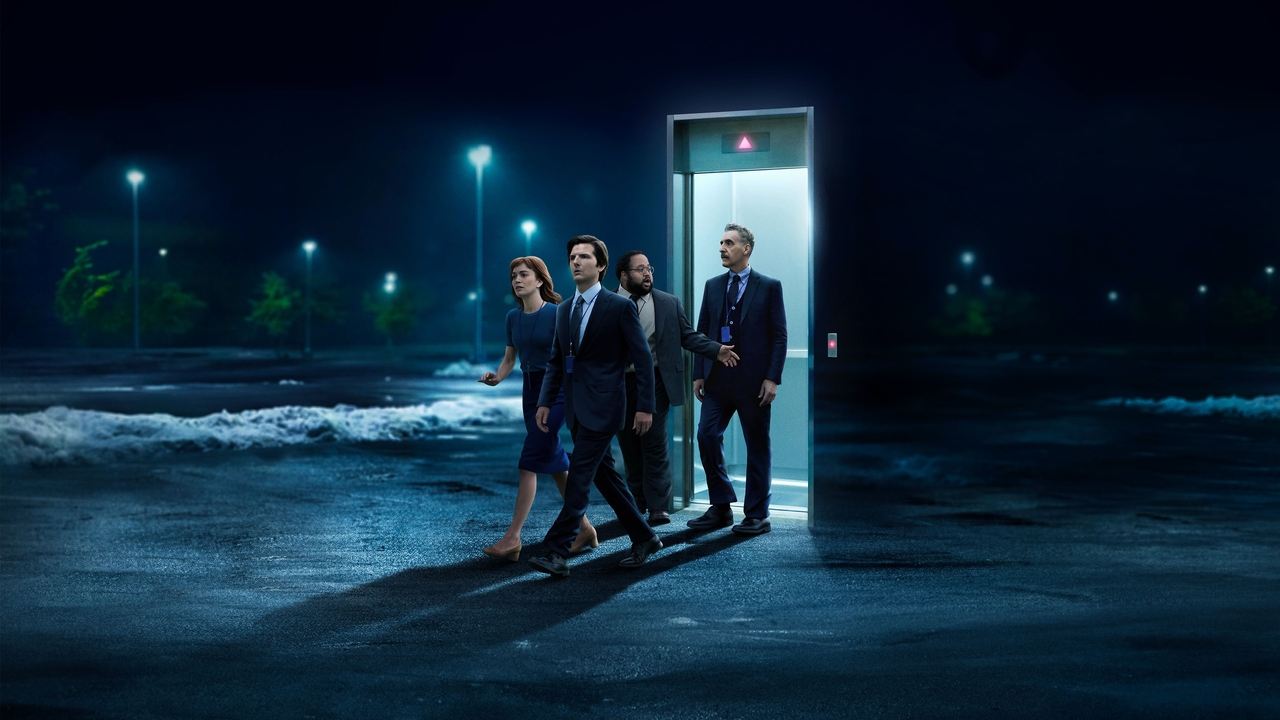
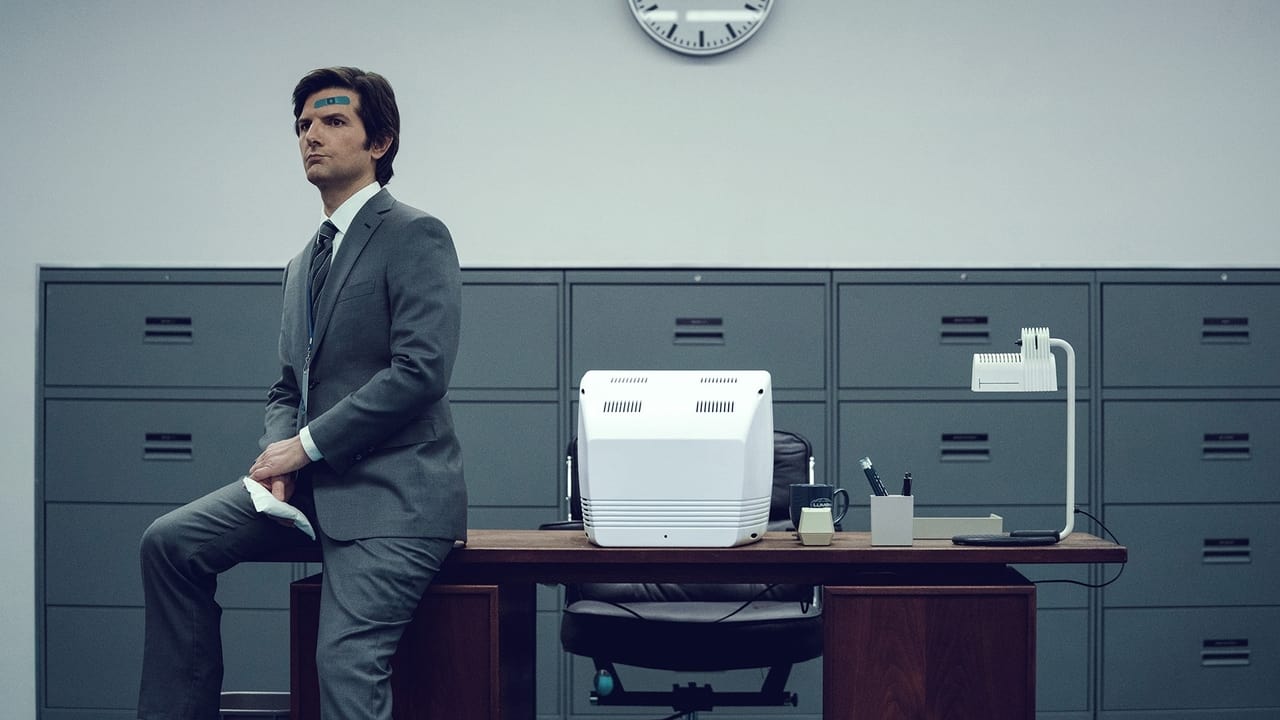
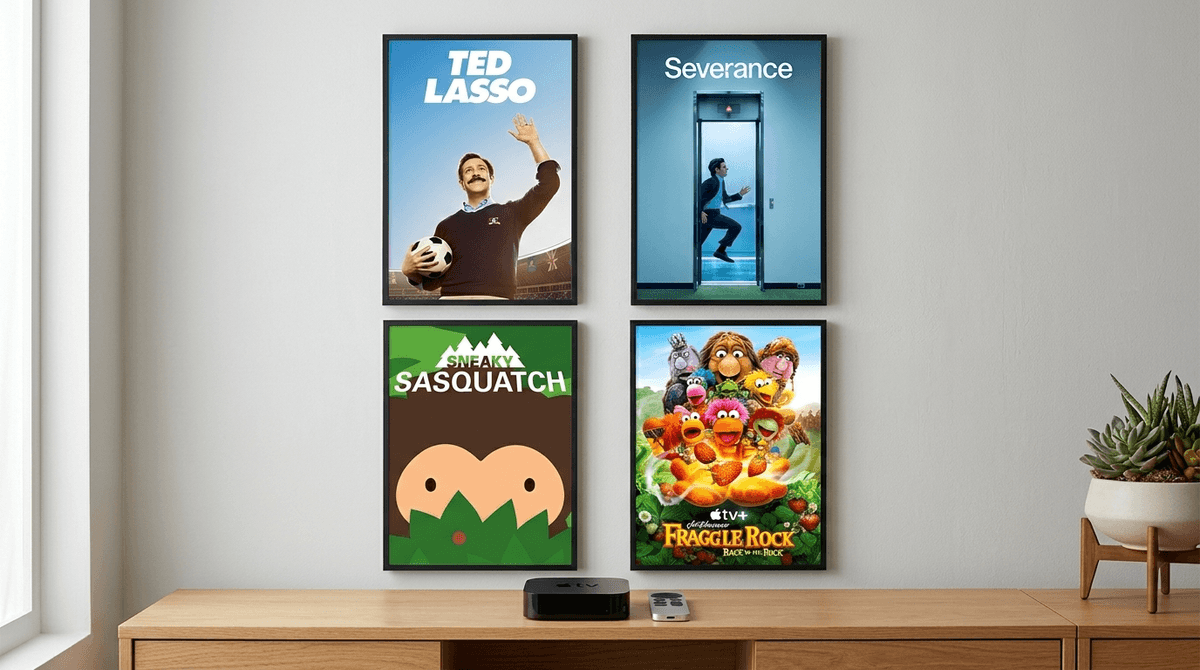
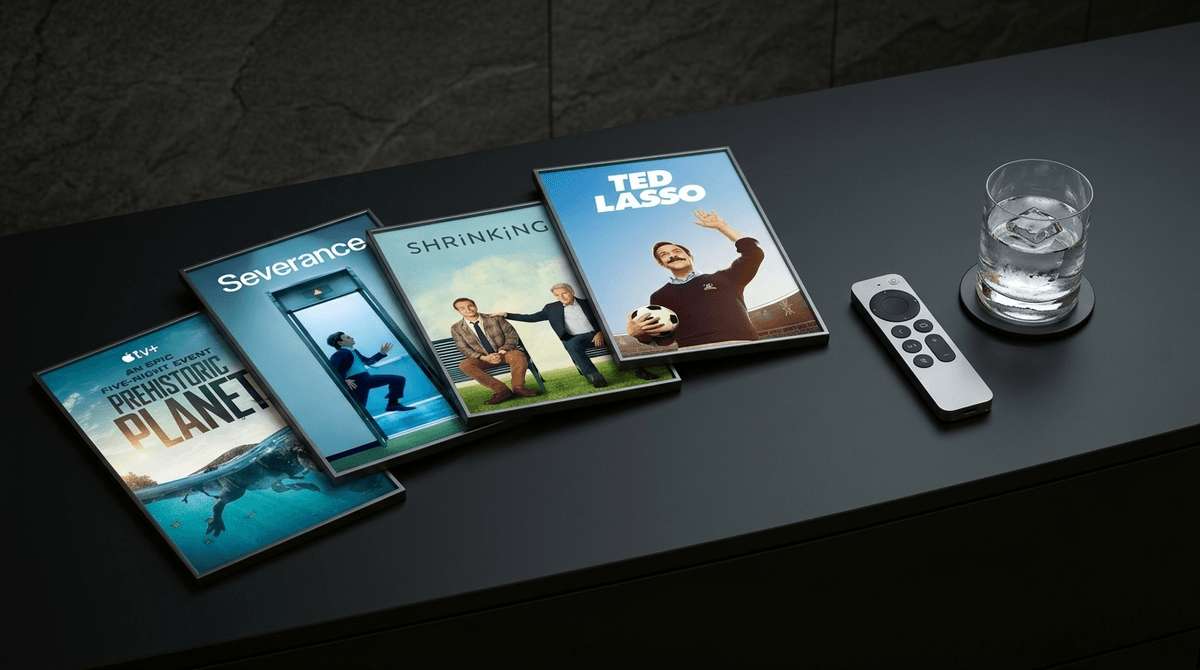
Most sci-fi dystopias lean on lasers, rubble, or evil surveillance states. Severance puts its nightmare inside green carpeting, fluorescent grid lighting, and trackball mice. The genius of the show is taking an everyday fantasy—wishing you could snap your fingers and be done with the workday—and systematically demonstrating how monstrous that bargain actually is.
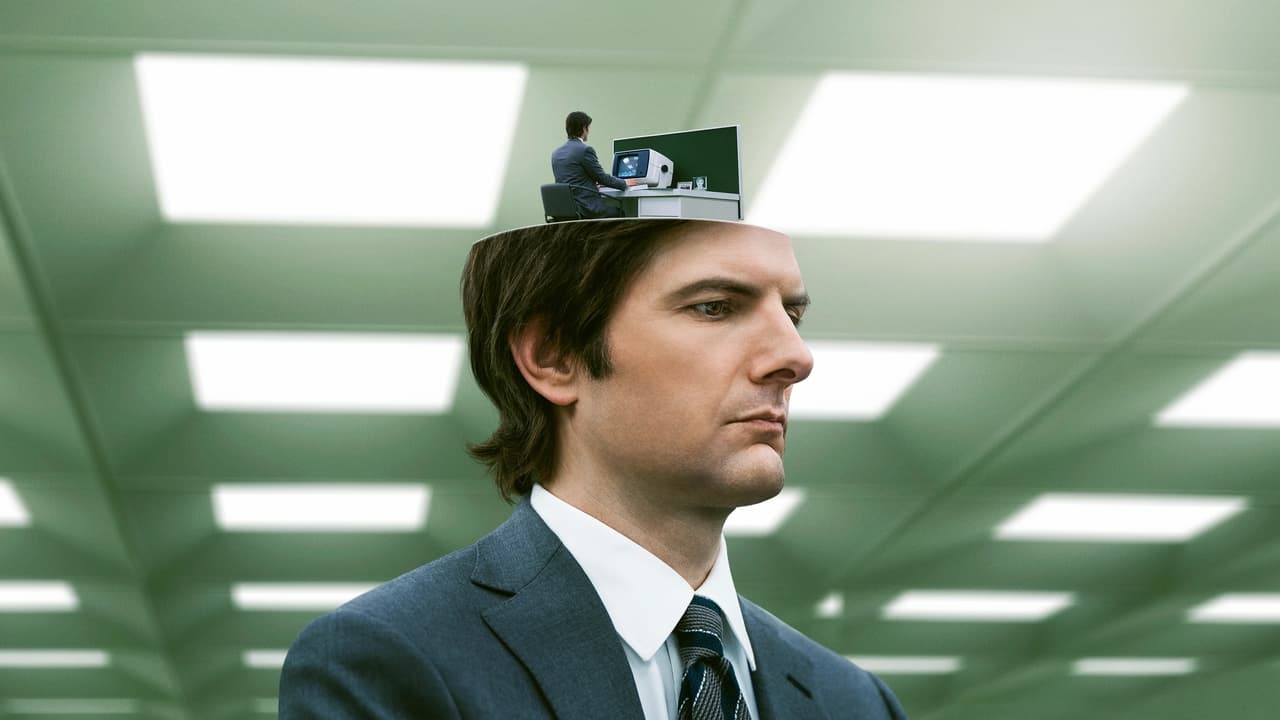
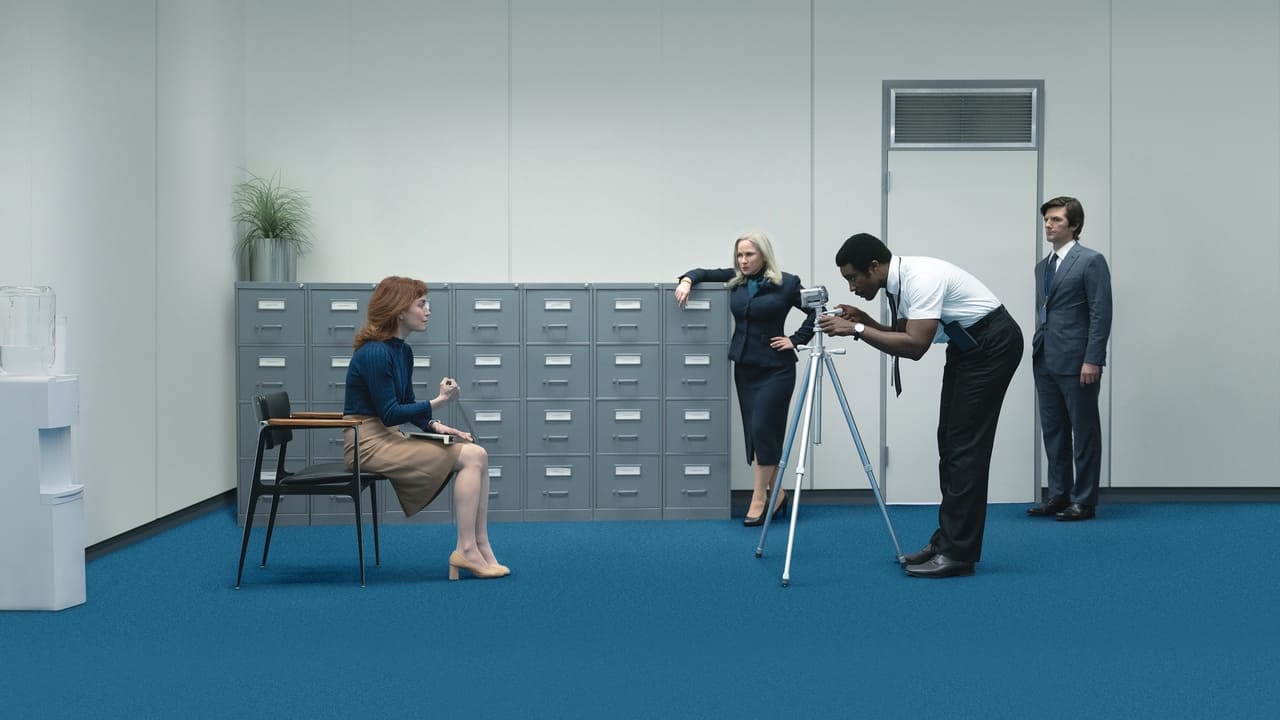
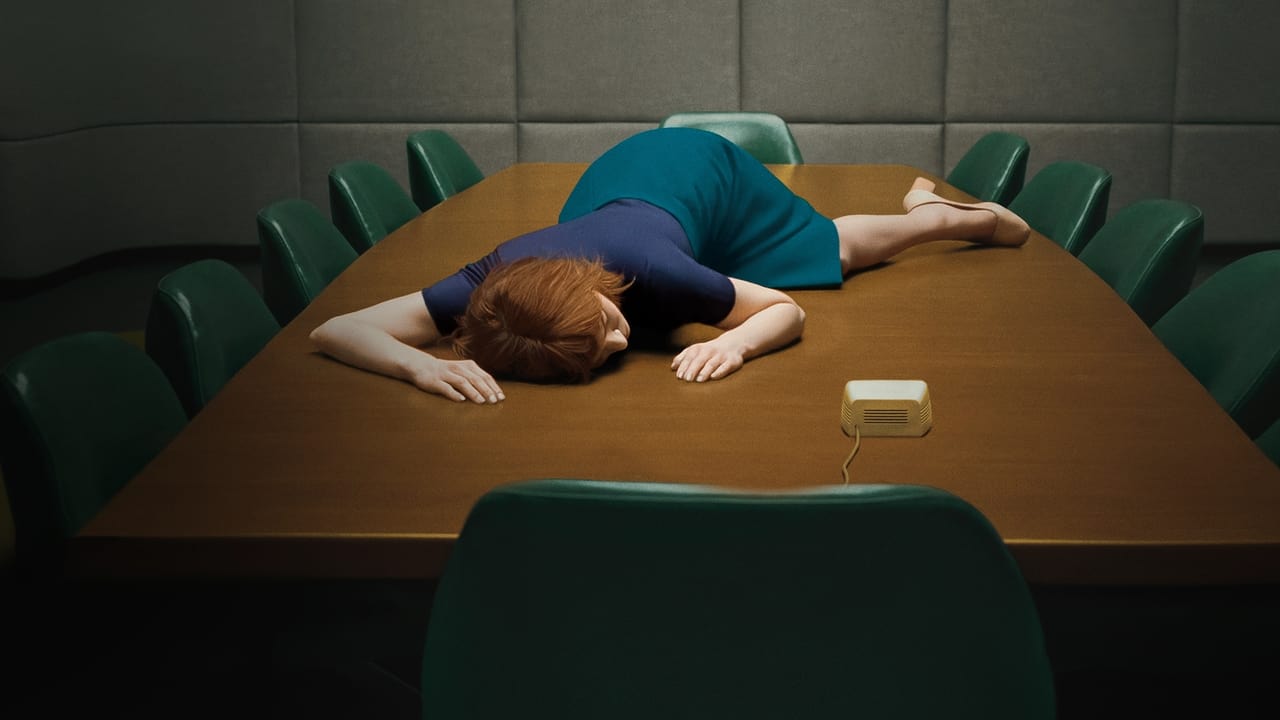
Mark Scout (Adam Scott) undergoes the severance procedure to escape eight hours of daily agony after his wife dies in a car wreck. On the severed floor of Lumon Industries, his work self ('Innie Mark') has no memories of grief, the outside world, or even what sunlight feels like. But Innie Mark also has no autonomy. He exists solely to sort numbers on a screen into digital bins while middle managers reward him with melon buffets and enforce compliance through psychological degradation in the Break Room.
Watching with Older Teens
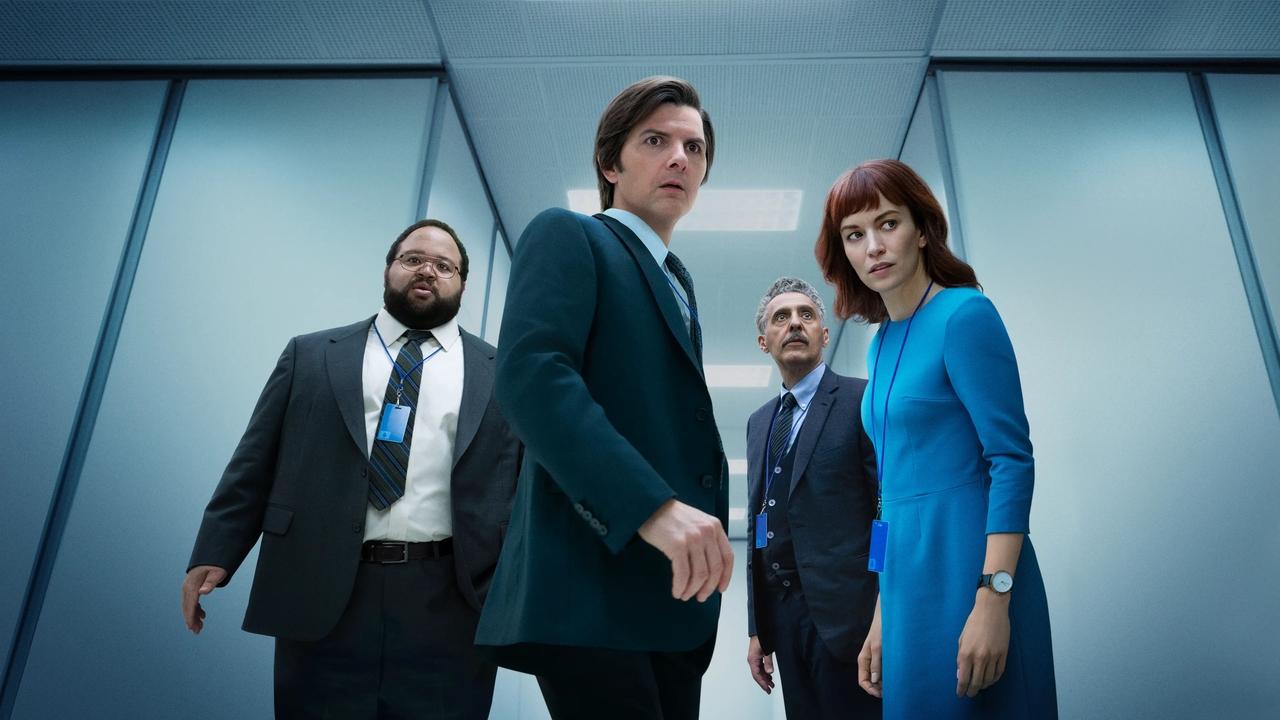
If you have a 15- or 16-year-old who devoured books like 1984 or Brave New World, this is the modern screen equivalent. It treats its audience with immense respect. There is no hand-holding or exposition dumping; you piece together the lore alongside the Macrodata Refinement team.
Two specific content flags matter:
- Episode 4 Ending: Helly's despair leads to a graphic suicide attempt in the elevator using an extension cord. It is deliberate, desperate, and intense.
- Existential Claustrophobia: The characters realize they are essentially domestic slaves created by their outer selves ('Outies'). For sensitive teens prone to existential anxiety, that premise lands heavy.
If your teenager can handle that weight, watching it together makes for fantastic post-episode debates about labor ethics, identity theory, and how modern tech platforms try to gamify human attention.