

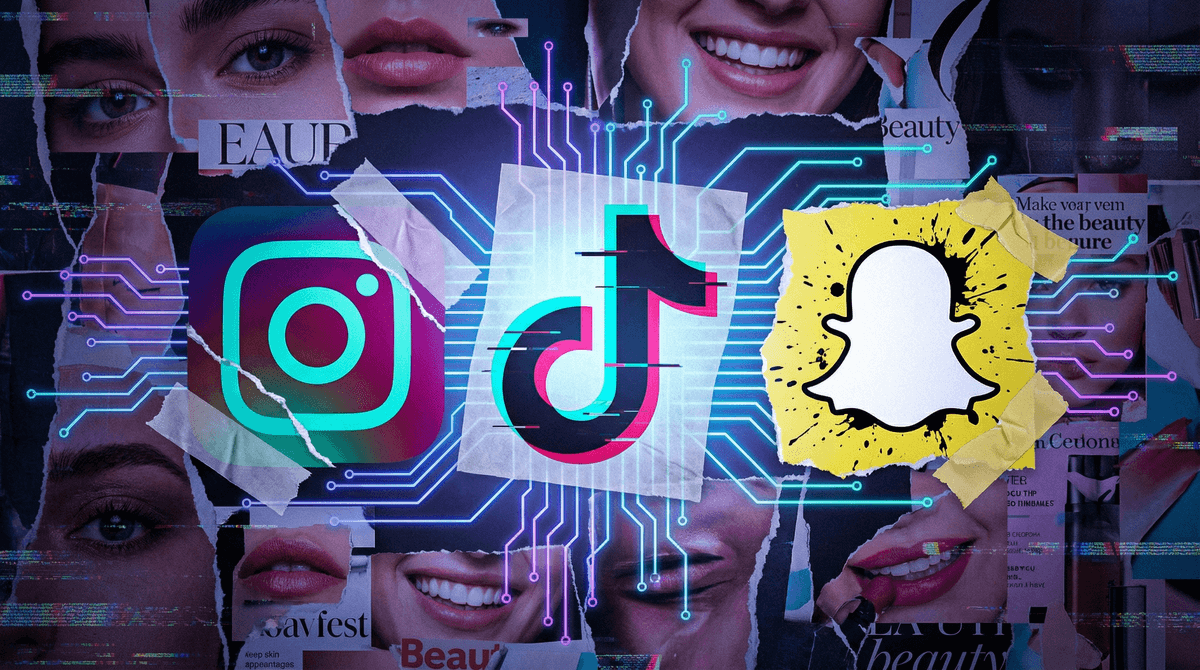
Girls and Social Media: What Parents Need to Know Now
Let's cut right to it: the relationship between girls and social media is complicated, often painful, and absolutely worth your attention as a parent. Not because social media is inherently evil or because girls are uniquely fragile, but because the platforms they're using were literally designed to exploit the exact insecurities that peak during adolescence.
And here's the thing—by the time your daughter is in middle school, she's likely already navigating a digital landscape that's fundamentally different from what boys her age experience on the same platforms.
The research is pretty clear: girls and boys use social media differently, and they're affected by it differently. While boys tend to gravitate toward gaming content, sports highlights, and meme culture, girls are disproportionately drawn to (and targeted by) content about appearance, relationships, and social comparison.
The numbers are stark: girls ages 11-15 spend an average of 2-3 hours per day on social media (compared to 1-2 hours for boys), and they're significantly more likely to report anxiety, depression, and body image issues linked to their usage. By eighth grade, roughly 95% of girls have access to a smartphone, and about 70% are active on at least one major platform—primarily Instagram, TikTok, and Snapchat.
But it's not just about time spent. It's about what happens during that time. The algorithm learns quickly that girls engage more with content about beauty standards, weight loss, relationship drama, and social hierarchies. So that's what it serves up. Constantly.
We're watching the first generation of girls grow up with Instagram from elementary school, TikTok from middle school, and AI-filtered reality as their baseline. The mental health data is alarming: rates of anxiety, depression, and self-harm among teen girls have spiked dramatically since 2010, with the steepest increases correlating directly with smartphone and social media adoption.
The comparison trap is real. Your daughter isn't just comparing herself to the popular girls at school anymore—she's comparing herself to hundreds of filtered, curated, algorithmically-optimized versions of "perfect" girls every single day. And here's the cruel irony: the platforms know this makes her feel worse, but feeling worse makes her scroll more, which makes the platforms more money.
The beauty filter situation alone is genuinely dystopian. Girls as young as 10 are using filters that smooth skin, enlarge eyes, slim faces, and reshape bodies—not for fun, but because they think that's what they're supposed to look like. Many don't even realize they're using filters anymore; it's just the default way they see themselves.
Instagram is where the comparison game lives. It's all about the aesthetic, the feed, the follower count, the likes. Girls report obsessively checking how their posts perform, feeling genuine distress when a photo doesn't get enough engagement, and spending hours trying to capture the "perfect" shot. The Explore page is particularly problematic—it's where the algorithm pushes girls down rabbit holes of fitness influencers, diet culture, and increasingly extreme beauty standards. Learn more about Instagram's impact on teen mental health .
.
TikTok is faster, more addictive, and arguably more dangerous because of how good the algorithm is. Within minutes of opening the app, it knows exactly what will keep your daughter scrolling. For many girls, this means an endless stream of "what I eat in a day" videos, appearance-based trends, and content that subtly (or not so subtly) promotes disordered eating, anxiety about body image, and social anxiety. The "For You Page" is essentially a personalized pipeline of whatever makes her feel the most inadequate.
Snapchat is where the social pressure lives. Streaks, snap scores, and the ephemeral nature of messages create constant FOMO and anxiety about maintaining relationships. The filters are so normalized that many girls don't want to take photos without them. And because messages disappear, it's where a lot of risky behavior happens—both in terms of what kids send and what they receive.
First, this isn't about banning everything and hoping for the best. That ship has likely sailed, and even if it hasn't, complete restriction without education just delays the inevitable while removing your ability to guide the experience.
Here's what actually helps:
Start the conversation early and keep it going. Don't wait for a crisis. Talk about how algorithms work, how filters aren't reality, and how the platforms make money by making users feel inadequate. Girls who understand they're being manipulated are better equipped to resist it.
Co-view sometimes. Ask your daughter to show you her For You Page or her Instagram Explore tab. Don't critique or judge—just observe together and ask questions. "Why do you think the algorithm showed you this?" "How does this content make you feel?" The goal is awareness, not shame.
Focus on time AND content. It's not just about limiting screen time (though that matters). It's about what she's consuming during that time. Twenty minutes of body-checking content is more harmful than two hours of crafting videos.
Watch for warning signs: secretive behavior around phone use, increased anxiety about appearance, social withdrawal, changes in eating habits, or obsessive photo-taking and deleting. These can indicate that social media use has crossed into harmful territory.
Model healthy behavior. If you're constantly on your phone, filtering your own photos, or talking about your appearance in negative ways, that's the lesson that lands—not the lecture about screen time.
Ages 8-11: Honestly? They shouldn't be on these platforms at all. The minimum age is 13 for a reason (even if it's barely enforced). If they're begging for accounts because "everyone has one," know that's not actually true—and even if it were, it wouldn't make it a good idea. Focus on building real-world friendships and self-esteem before adding the comparison machine into the mix.
Ages 12-14: This is when the pressure peaks. If you allow social media access, consider starting with time limits (30-45 minutes per day), keeping devices out of bedrooms at night, and maintaining open access to accounts (not as punishment, but as a condition of use). Have regular check-ins about what they're seeing and how it makes them feel. Consider delaying Instagram and TikTok in favor of less comparison-heavy platforms if possible.
Ages 15-17: You're shifting toward teaching judgment rather than enforcing rules. They need to learn to self-regulate, recognize harmful content, and understand their own triggers. Keep talking about what they're seeing, help them curate their feeds toward positive content, and be clear that you're available for help without judgment if things get dark.
Social media isn't going away, and your daughter will eventually need to learn to navigate it. But she doesn't need to do it alone, and she doesn't need to do it at 11 years old.
The most important thing you can do is stay connected—to your daughter, to what she's experiencing online, and to the reality that this is genuinely hard. The platforms are designed by some of the smartest engineers in the world to be addictive. Your daughter isn't weak for struggling with them. She's up against a system designed to exploit her.
Be the person she can talk to when the comparison gets overwhelming, when someone says something cruel, or when she realizes that the girl with the "perfect" life online is just as anxious as she is. That connection—that real, offline relationship—is the actual antidote to the comparison trap.
-
Audit current usage: Use your phone's screen time features to see what apps your daughter is using and for how long. Have a non-judgmental conversation about what you find.
-
Set up parental controls: Both Instagram and TikTok have built-in parental supervision features. They're not perfect, but they're a start.
-
Create a family media plan: Decide together on boundaries that work for your family—device-free meals, phone-free bedrooms, social media breaks, whatever makes sense for you.
-
Follow accounts that push back: Help your daughter curate her feed with creators who talk about filter culture, body diversity, and media literacy. The algorithm will follow her engagement.
-
Consider therapy if needed: If you're seeing signs of depression, anxiety, or disordered eating, don't wait. A therapist who understands social media's impact can help.
You've got this. It's hard, but you're asking the right questions.