

The Ultimate Parent's Guide to Instagram: Teen Accounts, Safety Features, and What Actually Works
TL;DR: Instagram just rolled out mandatory "Teen Accounts" with built-in protections for users under 16, but these changes don't solve everything. Here's what actually matters: the new restrictions, what they miss, the mental health research you need to know, and practical strategies that go beyond Instagram's default settings.
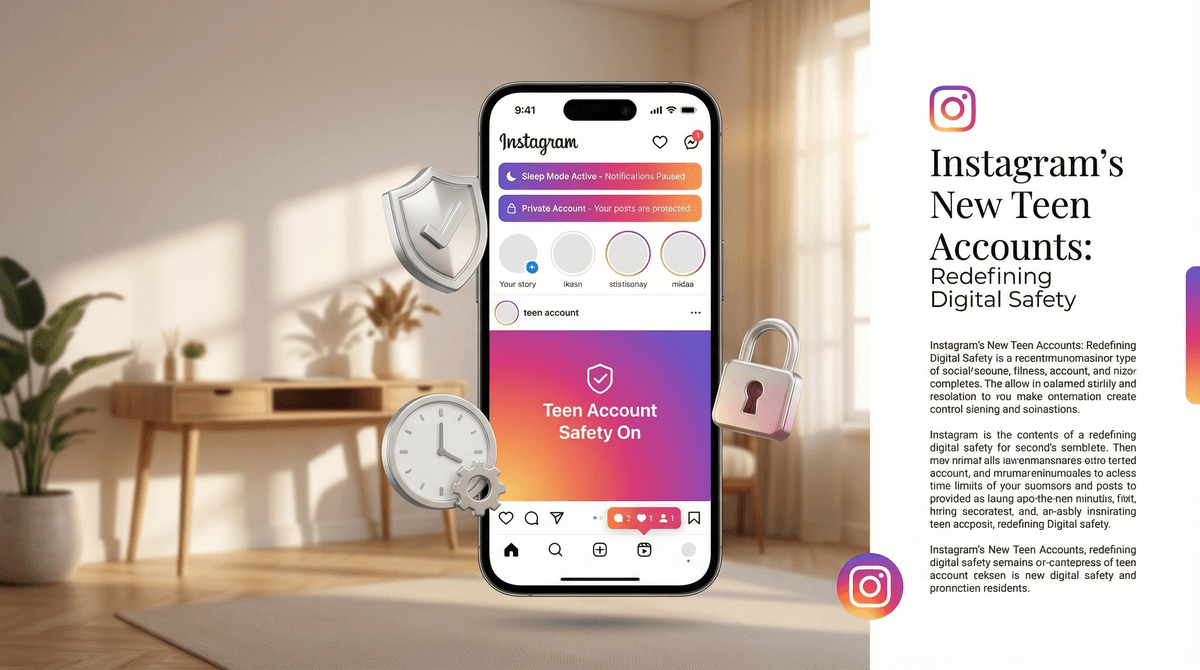
In January 2024, Instagram introduced Teen Accounts as a response to mounting pressure from parents, lawmakers, and mental health research about social media . If your kid is under 16, their account automatically gets these protections:
The New Defaults:
- Private accounts by default
- Restricted who can message them (only people they follow)
- Limited content recommendations (less Explore page exposure)
- "Sleep mode" that mutes notifications from 10pm-7am
- Time limit reminders after 60 minutes
Here's the catch: Kids 16-17 can change these settings themselves. Kids under 16 need parent permission to adjust them. But Instagram's age verification is... let's just say it relies heavily on the honor system. A 13-year-old who says they're 18 during signup gets none of these protections.
The Teen Account changes are genuinely helpful, but they're addressing surface-level safety while the deeper issues remain. The research is pretty clear at this point:
The Mental Health Reality:
- Heavy Instagram use (3+ hours daily) correlates with higher rates of anxiety and depression in teens, particularly girls ages 13-15
- The comparison culture is real: endless highlight reels of other people's "perfect" lives, bodies, vacations, and friend groups
- The algorithm still prioritizes engagement over wellbeing, which means emotionally charged content (including potentially harmful content about eating disorders, self-harm, or unrealistic beauty standards) can still surface
What the data shows: It's not just "screen time bad." It's about how kids use it. Passive scrolling and comparison-driven engagement are linked to worse outcomes. Active use (actually connecting with friends, sharing creative work, building communities around interests) shows more neutral or even positive effects.
Dig into the research on social media and teen mental health
Forget the generic "stranger danger" warnings. Here's what actually happens on Instagram:
1. The Comparison Trap Your daughter sees 40 photos of classmates at a party she wasn't invited to. Your son sees fitness influencers with impossible physiques. The algorithm learns what keeps them scrolling and serves more of it.
2. The Explore Page Rabbit Hole Even with Teen Account restrictions, the Explore page can surface concerning content. Kids searching for fitness content can quickly spiral into pro-eating disorder communities. Mental health content can paradoxically normalize harmful behaviors.
3. The DM Situation While Teen Accounts restrict who can message kids, group chats are still a free-for-all. This is where drama unfolds, screenshots get shared, and social dynamics get messy. The new restrictions don't touch this.
4. The Verification Theater Instagram's age verification is laughably easy to circumvent. Kids know this. A 13-year-old who creates an account claiming to be 20 gets zero protections and full access to everything.
5. The Influencer Economy Your kid isn't just consuming content—they're being marketed to constantly. Influencer culture teaches that your value is measured in likes, followers, and engagement. The hustle culture is real, and it starts young.
Ages 13-14: Probably Too Early (But Here We Are)
Instagram's minimum age is 13, which honestly feels too young for most kids. But if your middle schooler is already on it or begging to join:
- Start with heavy restrictions: Keep the Teen Account defaults, add parental supervision through Instagram's built-in tools
- Co-follow their account: Not to spy, but to understand their world and stay conversation-ready
- Limit time aggressively: 30-45 minutes daily max. Use Screen Time (iOS) or Digital Wellbeing (Android) since Instagram's built-in limits are easy to dismiss
- No posting faces initially: Start with interest-based content (art, hobbies, memes) rather than selfies and social comparison fuel
- Keep phones out of bedrooms: Non-negotiable. The late-night scroll is where things get dark.
Ages 15-16: The Critical Years
This is when Instagram use correlates most strongly with mental health challenges, especially for girls. The Teen Account protections help, but:
- Regular check-ins: Not interrogations, but genuine conversations about what they're seeing and how it makes them feel
- Audit their following list together: Unfollow accounts that make them feel bad about themselves (yes, even friends)
- Talk about the algorithm: Help them understand they're being manipulated for engagement. Learn about how social media algorithms work
- Watch for behavior changes: Increased anxiety, body image concerns, sleep disruption, or withdrawal from real-life activities
Ages 17-18: Preparing for Autonomy
At this point, heavy restrictions often backfire. Focus on building media literacy:
- Discuss influencer marketing: Help them spot sponsored content and understand the business model
- Talk about curated reality: Everyone's posting highlights, not reality
- Model healthy use: They're watching how you use social media too
- Respect privacy while staying available: You're transitioning from oversight to advisory role
1. Use Instagram's Parental Supervision Tools
Instagram finally added actual parental controls (separate from Teen Accounts). You can:
- See how much time they spend on the app
- Set time limits that actually stick
- View who they follow and who follows them (but not message content)
- Get notified if they report someone
To set this up: Your teen sends you a supervision invitation from their settings. It requires their cooperation, which is actually good—it forces a conversation.
2. The "Phone Stack" at Social Events
When friends come over, everyone's phone goes in a basket. First person to grab theirs does dishes. This isn't about punishment; it's about being present.
3. The Sunday Audit
Once a week, sit together and look at Screen Time data. Not to shame, but to notice patterns. "Huh, you spent 90 minutes on Instagram on Tuesday. What was going on that day?" Often kids don't realize how much time disappears.
4. The "Three Before Me" Rule
Before posting, ask three questions:
- Would I want this photo/caption to exist in 5 years?
- Am I posting this for me or for likes?
- How would I feel if someone posted this about me?
5. Create Real-World Alternatives
Instagram fills needs: connection, creativity, entertainment, identity exploration. Make sure your kid has offline outlets for these same needs. Explore alternatives to social media for connection
Skip the lecture. Try this instead:
"I've been reading about how Instagram is designed to keep people scrolling, even when it doesn't feel good. I'm curious—when you're on Instagram, what does it feel like? Are there accounts that make you feel worse about yourself?"
Then listen. Really listen. Don't immediately jump to solutions or restrictions.
Follow-up questions:
- "What would you miss most if you took a break from Instagram?"
- "Do you ever feel like you're performing for an audience?"
- "Have you noticed your friends acting differently on Instagram than in real life?"
The goal isn't to get them to quit (though some kids do choose this). It's to build metacognition—the ability to think about their own thinking and notice when they're being manipulated.
Some families go this route, and I respect it. But here's the reality: in most communities, by age 15-16, the vast majority of teens are on Instagram. A complete ban can create:
- Social isolation: Group chats, event planning, and social coordination increasingly happen on Instagram
- Sneaking and lying: Secret accounts, using friends' phones, or just waiting until they're 18 and going wild
- Missed learning opportunities: Better to teach healthy use while you still have influence
That said, if your kid is showing signs of addiction (can't stop scrolling, anxiety when separated from phone, declining grades or activities) or mental health struggles clearly linked to Instagram use, a temporary or permanent break might be exactly right. Every kid is different.
Instagram's Teen Account changes are a step forward, but they're not a parenting replacement. The platform is still fundamentally designed to maximize engagement, not wellbeing.
Your actual job isn't to perfectly control their Instagram use. It's to:
- Stay educated about what's actually happening on the platform (not what you imagine is happening)
- Keep conversations open so they come to you when something feels off
- Build their critical thinking about algorithms, influencer marketing, and curated reality
- Model healthy boundaries with your own device use
- Know when to intervene if you see genuine harm
The new Teen Account features buy you some time and create some guardrails. Use that time wisely to build the skills your kid needs to navigate social media (and the rest of the internet) with more wisdom than the algorithm wants them to have.
- Set up parental supervision if your teen is already on Instagram
- Review their Screen Time data together this week
- Have the conversation about how Instagram makes them feel (not whether they're "being safe")
- Audit their following list and unfollow accounts that spark comparison or anxiety
- Establish device-free zones: bedrooms at night, family dinners, car rides
And remember: there's no perfect approach here. You're doing this in real-time, with limited guidance, while the platforms change constantly. Give yourself credit for caring enough to read a 1,500-word guide about this stuff.
Get answers to your questions about Instagram, social media, or digital parenting